
Iran Conflict — 2026-06-08


Current status
- Israel and Iran trade direct strikes for the first time since the April ceasefire. Israel struck military targets in western and central Iran, including Tehran and Isfahan. Iran responded by launching missiles at Israel — the escalation followed an earlier Israeli strike in Beirut that Iran said “crossed all red lines.” The fragile April ceasefire has effectively collapsed.
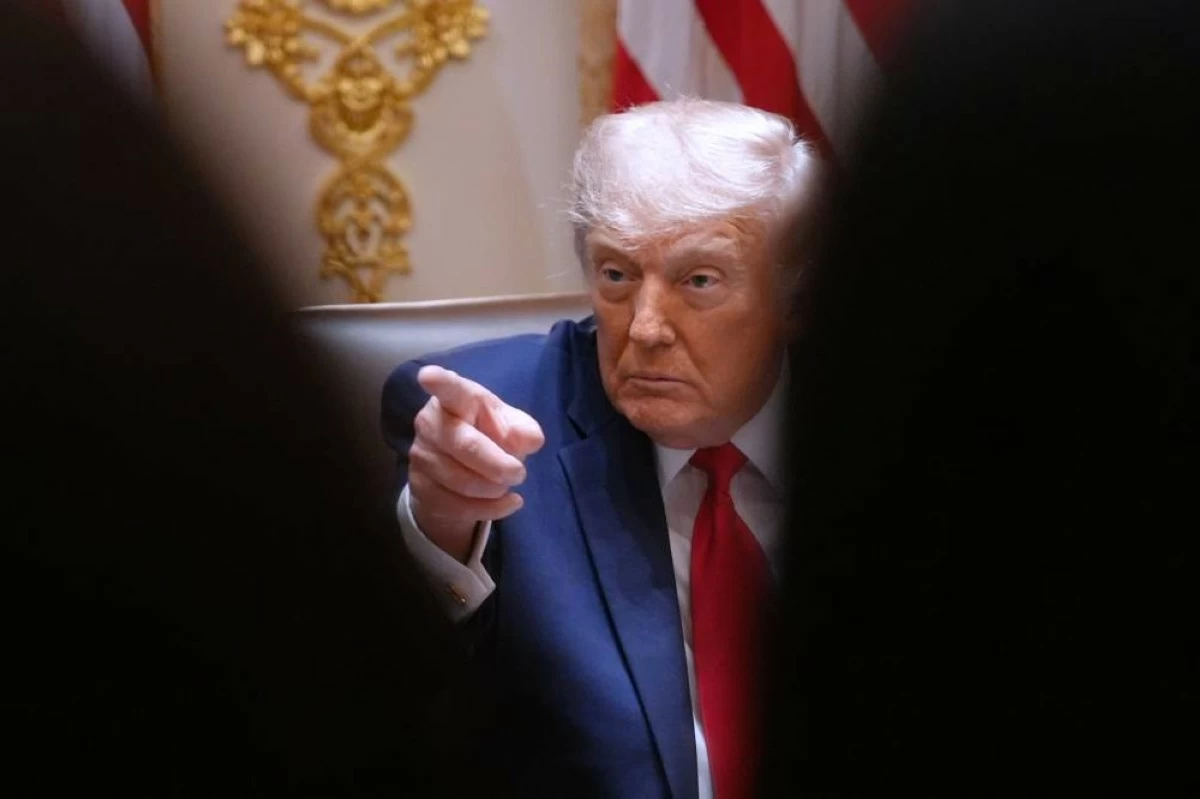
- Trump asserts authority over any Iran deal. In a Financial Times interview, Trump said Israeli PM Netanyahu “has no choice” but to accept any US-brokered agreement with Iran, stating “I’m the one who makes the decisions.” The remarks came as Trump and Netanyahu held a phone call during the escalation (Emirates247 / WAM, Axios).
- Oil prices spike over 3%. CNBC reports crude surged as the Israel-Iran exchange intensified supply fears. Brent crude jumped on the open as markets priced in renewed Hormuz risk and the collapse of the ceasefire.
- US stock futures mixed; South Korea’s Kospi plunges 7% as Mideast tensions ripple through Asian markets. AI-linked tech stocks led the sell-off (CNBC).
- Al Jazeera publishes satellite imagery of war destruction in Iran — the most comprehensive visual documentation of damage from the 100+ day conflict to date.
- Debris from Iranian missiles reported in Jordan after intercepts of projectiles aimed at Israel (Al Jazeera).
- Oppenheimer analysis: Trump holds the reins on Netanyahu’s escalation options — Al Jazeera assesses the US president’s leverage over Israel’s response.
UAE / Gulf angle
- UAE continues its mediator pivot. The Emirates247 report frames Trump’s “no choice” ultimatum to Netanyahu against the backdrop of active US-UAE diplomatic coordination. The UAE has positioned itself between Washington, Tehran, and Tel Aviv as a backchannel.
- No UAE-territory incident overnight. Abu Dhabi air defence posture remains elevated given the Israel-Iran exchange, but Jordan absorbed the only reported intercept debris outside Israel.
- Economic contagion hitting Gulf markets indirectly. The Kospi plunge and oil spike create volatility that affects GCC equity markets and fuel subsidy calculations — a secondary but real cost of the conflict’s latest escalation.
- Hormuz risk re-priced. The 3% oil spike directly reflects market reassessment of Strait of Hormuz vulnerability now that the ceasefire is effectively dead.
What changed since the previous update
- Ceasefire collapsed. This is the most significant change — direct Israel-Iran military exchange for the first time since April. Prior fighting was limited to US-Iran naval clashes in the Gulf and proxy action via Lebanon.
- Trump’s Netanyahu ultimatum is a new rhetorical escalation. Previously Trump framed the war as a “military exercise” on Meet the Press; now he’s publicly asserting dominance over Israeli decision-making — “I’m the one who makes the decisions.”
- Oil markets react sharply — the 3% spike is the first crude price shock since the earlier Hormuz mining scare. Markets are treating the ceasefire collapse as a structural risk, not a temporary blip.
- 100-day retrospectives now obsolete. The June 7 retrospective pieces (CNBC charts, Fortune analysis) have been overtaken by events — the war has entered a new post-ceasefire phase.
- No new Kuwait/GCC kinetic incident — the Kuwait 7-missile interception (June 6–7) remains the most recent documented GCC air-defence engagement.
Latest headlines
Al JazeeraIran war live: Tehran fires missiles at Israel after strikes on Tehran
→
Al JazeeraSatellite images show destruction of the US-Israel war on Iran
→
CNBCOil prices spike over 3% as Iran and Israel trade strikes
→
Emirates247 / WAMTrump says Netanyahu 'has no choice' as Israel strikes Iran
→

Al JazeeraIran and Israel trade threats after Tehran launches missiles
→

Al JazeeraDebris reported in Jordan after Iranian missiles aimed at Israel intercepted
→

CNBCU.S. stock futures mixed, South Korea's Kospi plunges 7%
→
A
Al JazeeraIran's attack on Israel aims to restore deterrence but avoid return to war
→
A
Al JazeeraOppenheimer: Trump holds the reins on Netanyahu's escalation options
→