
Iran Conflict — 2026-06-14 (PM)


Current status
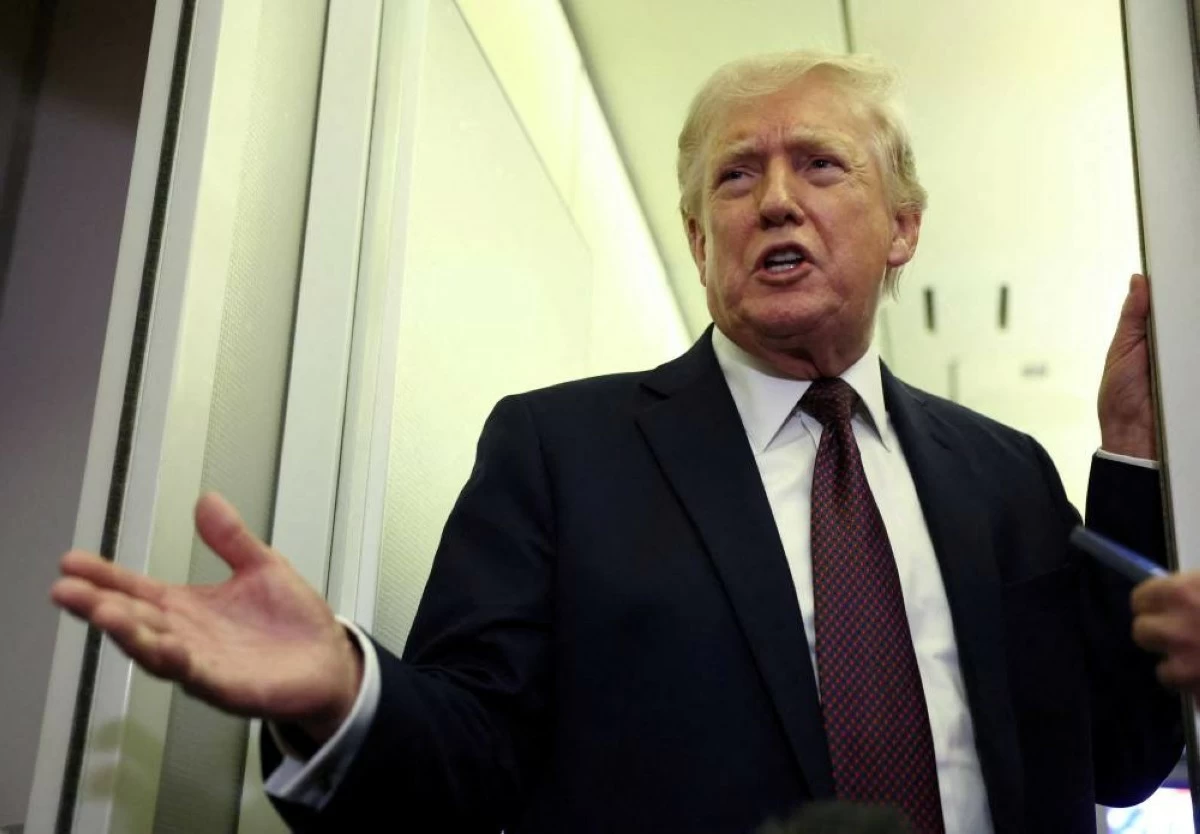
Trump publicly condemns the Israeli strike on Beirut: ’this morning’s attack on Beirut should not have happened, particularly on a special day when we are so close to a peace deal with Iran.’ The US public line is now ’every intent of getting’ the deal done Sunday; ‘all sides should stand down.’ This is the single most consequential framing shift of the Day 107 PM cycle. The Al Jazeera and Emirates247 wires carried the same Trump statement on Sunday afternoon: the Beirut strike targeting Hezbollah positions “should not have happened, particularly on a special day when we are so close to a peace deal with Iran.” Trump added: “We are very close to a deal that will bring peace to the region, including to Lebanon, and all sides should stand down.” On ABC’s This Week, US Ambassador to the UN Mike Waltz said the US has “every intent of getting” the deal done on Sunday. The New York Times launched a live blog under the headline “Iran War Live Updates: Trump Calls for Restraint After Israel Strikes Beirut Suburbs.” The structural read: the US has now publicly broken with Israel on the kinetic cycle of the day the deal was supposed to be signed, and has publicly framed the deal as “very close” — the most explicit US presidential line of the 107-day reporting cycle. The PM cycle’s earlier framing (“Iran walks back, deal in trouble”) has now been displaced by a competing framing (“US breaks with Israel, deal still very close”) — the two framings are both in print, and which one resolves first is the dominant question of the next 12–24 hours.
Israel strikes Beirut’s southern suburbs on the Sunday-signing day, killing at least 3; Iran’s army official says the attack ‘will not go unanswered’ and Iran negotiator Ghalibaf warns there is ’no point’ in talks if the US cannot uphold its ‘commitments.’ The Al Jazeera wire and the NYT bylined article (Kershner and Goldbaum, “Israel Strikes Beirut Outskirts as Fighting With Hezbollah Escalates”) carried the same kinetic frame on Sunday afternoon: Israeli warplanes struck Beirut’s southern suburbs (Dahiyeh), killing at least three people and wounding more, in what Israel described as a response to drone attacks from Hezbollah. Iran’s army official, quoted across the wires, said the Beirut attack “will not go unanswered.” The Iranian negotiator — Iran’s parliament speaker Mohammad Baqer Qalibaf, who Reuters on Friday named as the Iranian side’s designated signer — said there was “no point” in talks if the United States could not uphold its “commitments.” The Sunday-deadline day is now the most kinetic, most publicly contested day of the deal-narrative war: a named death toll in Lebanon, a named Iranian retaliation threat, and a named Iranian walk-back of the deal value itself, all on the day Trump said the US is “very close” to the deal.
Qatari mediators fly to Tehran in an emergency push to finalize the US-Iran deal; in-person signing scrapped, electronic signing now the mechanism. Reuters, CBS News, NBC News, the Jerusalem Post and the New York Post all carried the same Qatari-mediation story on Sunday: a Qatari delegation flew to Tehran in an emergency push to finalize the US-Iran deal after the Saturday-night text agreement, with Iran’s foreign ministry still publicly reviewing the draft MoU. The New York Times and NPR reported that the in-person signing planned for Geneva has been scrapped in favour of an electronic / virtual signing. Pakistan remains the named mediator of record; Qatar is the named operational push on the day the deal was supposed to be signed. Two Gulf-aligned states with named operational lines in the deal architecture is a structural change from the Day 105–106 frame, when only Pakistan had a named operational role.
Iran’s foreign ministry is still publicly reviewing the draft MoU: ’the MoU may be signed in the coming days’ — Araqchi’s down-blending position on the HEU stockpile is still the operative Tehran line. The Sunday Iran International live wire quoted Iran’s foreign ministry as still reviewing the draft MoU, with the public line that “the MoU may be signed in the coming days” — a more cautious timeline than Trump’s “Sunday” framing. Iran’s nuclear red line — Foreign Minister Araqchi’s Day 106 position that Tehran’s “only preferred solution” for its highly enriched uranium stockpile is down-blending the material, not dismantling it — remains the operative Tehran line. The US official position from Friday — “performance-based deal” with dismantling and removal of the HEU stockpile as the end-state — has not moved. The HEU disposition is the single most consequential variable in the 60-day nuclear follow-on, and the gap between Tehran’s down-blending position and Washington’s dismantling rhetoric is the most likely trigger of a Day 108–109 rupture if the deal text is signed.
Reuters wire: the US would lift the naval blockade on Iranian ports and begin releasing frozen Iranian assets in return for Iran opening the Strait of Hormuz; a 60-day nuclear follow-on is the second track. The Reuters and Emirates247 wires carried the operative MoU terms into the PM cycle: the proposed MoU calls for reopening the Strait of Hormuz and lifting the US naval blockade on Iranian ports, with the US beginning to release billions of dollars in frozen Iranian assets and waiving sanctions on Iran’s oil exports in return for Iran opening the strait. The 60-day nuclear follow-on track would address the dismantling of Iran’s nuclear program and the destruction and removal of its stockpile of highly enriched uranium. The blockade-lift + strait-reopen combination is the structural pre-condition for the post-deal shipping normalization that the Habshan-Fujairah bypass pipeline was built around.
Israeli PM Netanyahu: Israel ‘will not be party to the agreement’; Israel braces for rocket fire after Beirut strike and Iran’s retaliation threats. The Day 107 AM Netanyahu statement — Israel will not be party to the MoU — is still the operative Israeli public posture, and the Sunday Beirut strike is the most visible, durable contradiction in the deal narrative. The Haaretz PM wire: “Israel Braces for Rocket Fire After Beirut Strike and Iran’s Retaliation Threats.” The structural read: Israel is operating militarily on the Iran-aligned Hezbollah front that the deal is meant to end, while publicly saying it is not party to the text that would end it. Trump’s late-PM public condemnation of the strike is the most direct US presidential line breaking with the Israeli public posture in the 107-day reporting cycle — the US line is now closer to Iran’s framing (the strike should not have happened) than to Israel’s (it was a legitimate response to Hezbollah drones).
NYT bylined coverage: Kershner and Goldbaum on the Beirut strike; NYT ‘Deadlocked Wars’ analysis piece frames the moment as ‘how major powers misread the regions they attacked.’ The NYT filed two bylined pieces in the late-PM cycle. The first, by Isabel Kershner and Christina Goldbaum, carries the lede: “The attacks complicated an already delicate moment as President Trump and Iran appeared to be edging toward finalizing a framework peace agreement.” The second, an analysis piece under the headline “Deadlocked Wars: How Major Powers Misread the Regions They Attacked,” frames the entire moment — Iran-US, Russia-Ukraine, Israel-Lebanon — as a connected story of imperial miscalculation. The NYT live blog (“Iran War Live Updates: Trump Calls for Restraint After Israel Strikes Beirut Suburbs”) is now the authoritative aggregator of the US public line on the deal. The aggregate NYT framing: the deal is close in concept and contested in practice, with the US now publicly on the side of the deal text and Israel publicly on the side of continued kinetic operations against Hezbollah.
UAE / Gulf angle
UAE-relevance on Day 107 late PM is structural, not headline-driven: the Hormuz-reopening + blockade-lift + asset-release clauses all run through the UAE’s waters, ports, and financial channels; the new US line on ‘stand down’ raises the political-stability pre-condition for the day-after-signing period that UAE ports are the operational answer to. The Day 107 late-PM wires do not have a fresh UAE-specific headline. The structural read remains: the deal’s three load-bearing Gulf-relevant clauses (Hormuz reopening, US blockade lift, asset release) all run through the UAE’s waters (the strait), the UAE’s ports (Jebel Ali, Fujairah), and the UAE’s financial channels (the as-yet-unconfirmed Reuters funds pipeline). The new late-PM variable is the US public line — Trump’s “all sides should stand down” is the most direct US presidential framing of the political-stability pre-condition for the day-after-signing period in the 107-day reporting cycle. For UAE ports (Jebel Ali, Fujairah), the question is no longer “will the strait reopen” but “will the US-enforced day-after-signing stability be tight enough for shippers to route through Hormuz rather than the bypass.” The Emirates247 wire carrying the Trump condemnation is the Gulf-aggregator line of the cycle: it is the same wire, the same quotes, the same source-pill list as the Al Jazeera and NYT wires, but the regional read is centred on the UAE’s role as the principal Gulf financial channel for the deal’s first tranche of asset release.
The Lebanon kinetic cycle is now the most visible Gulf-adjacent contradiction: the Habshan-Fujairah bypass pipeline cannot return to bypass-economics until both the strait reopens and the US blockade lifts; the Beirut strike and Trump’s public condemnation raise the political-stability risk of the day-after-signing period for all Gulf shipping. The Habshan-Fujairah bypass pipeline — which proved its strategic value during the Hormuz-closure phase — has its operator-economics conditioned on the post-deal shipping normalization. The blockade-lift + strait-reopen combination is the structural pre-condition for that normalization. The late-PM cycle has hardened the structural pre-condition in the text (Reuters has now named the blockade-lift clause in print) but has also hardened the political-stability risk around the text: the Beirut strike, Trump’s explicit public condemnation, and the Ghalibaf “no point” line all suggest the day-after-signing period will carry kinetic and political risk for the Gulf shipping lanes, not just the day-of-signing. The structural question for UAE ports is whether the US public line on “stand down” is the political-stability commitment that allows shippers to route through Hormuz rather than the bypass.
What changed since the previous update (2026-06-14 ~14:30 UTC / Day 107 mid-PM)
From “Iran walks back, deal in trouble” (Day 107 mid-PM) to “Trump publicly breaks with Israel, deal framed as ‘very close’” (Day 107 late-PM). The mid-PM cycle had the Beirut strike killing at least three, the Iranian army official’s “will not go unanswered” threat, and Ghalibaf’s “no point” line — the framing was “Iran walking back, deal in trouble.” The late-PM cycle has Trump’s explicit public condemnation of the strike — “this morning’s attack on Beirut should not have happened, particularly on a special day when we are so close to a peace deal with Iran” — and the Waltz “every intent” line. The two framings are now both in print: the US is publicly on the side of the deal text and the political-stability pre-condition, while Iran is publicly on the side of the Hezbollah retaliation threat and the named-signatory walk-back. Which framing resolves first is the dominant question of the next 12–24 hours.
From “the Beirut strike is a kinetic event on the Sunday-signing day” (Day 107 mid-PM framing) to “the Beirut strike is now a US-Israel public split” (Day 107 late-PM framing). The mid-PM had the strike as a kinetic event on the day the deal was supposed to be signed, with Iran’s named retaliation threat. The late-PM has Trump publicly condemning the strike as incompatible with the deal, and the NYT live blog framing the moment as “Trump Calls for Restraint After Israel Strikes Beirut Suburbs.” The US-Israel public split is the new operational variable of the late-PM cycle: the US line is that the strike should not have happened; the Israeli line is that it was a legitimate response to Hezbollah drones; the Iran line is that it is a deal-killing escalation. Three different public framings of the same kinetic event, all in print, on the day the deal was supposed to be signed.
From “no bylined US coverage” (Day 107 mid-PM) to “NYT bylined coverage + NYT analysis piece + NYT live blog” (Day 107 late-PM). The mid-PM cycle was dominated by wire copy and a Reuters/Emirates247 aggregator line. The late-PM cycle has the NYT filing bylined coverage (Kershner/Goldbaum on the strike), an analysis piece (“Deadlocked Wars: How Major Powers Misread the Regions They Attacked”), and a live blog under the explicit “Trump Calls for Restraint” framing. The NYT’s institutional framing of the moment — as a connected story of regional miscalculation — is the most authoritative late-PM addition to the reporting cycle.
From “the in-person Geneva signing was scrapped” (Day 107 mid-PM) to “the electronic signing mechanism is now the dominant US frame” (Day 107 late-PM). The mid-PM had Geneva scrapped in favour of electronic signing. The late-PM has Trump and Waltz publicly confirming the electronic signing mechanism on Sunday as the operative US line. The venue-and-mechanism question that the AM flagged as the most concrete operational detail in the deal architecture has now been answered: there is no physical venue on the day of the deal, the mechanism is electronic, and the US public line is that the deal is “very close” and “all sides should stand down.”
From “the Lebanon file is a kinetic test of the deal text in real time” (Day 107 mid-PM framing) to “the Lebanon file is now the public US-Israel split on the deal text” (Day 107 late-PM framing). The mid-PM had the IDF naming the Beirut strike as a response to Hezbollah drone attacks, and the Iranian army publicly threatening retaliation. The late-PM has Trump publicly breaking with Israel on the strike — the US line is now closer to Iran’s framing than to Israel’s. The Lebanon file is no longer a side contradiction in the deal text; it is the primary public line on which the US and Israel now disagree.
Latest headlines

