Iran Conflict — 2026-06-18 (PM)


Current status
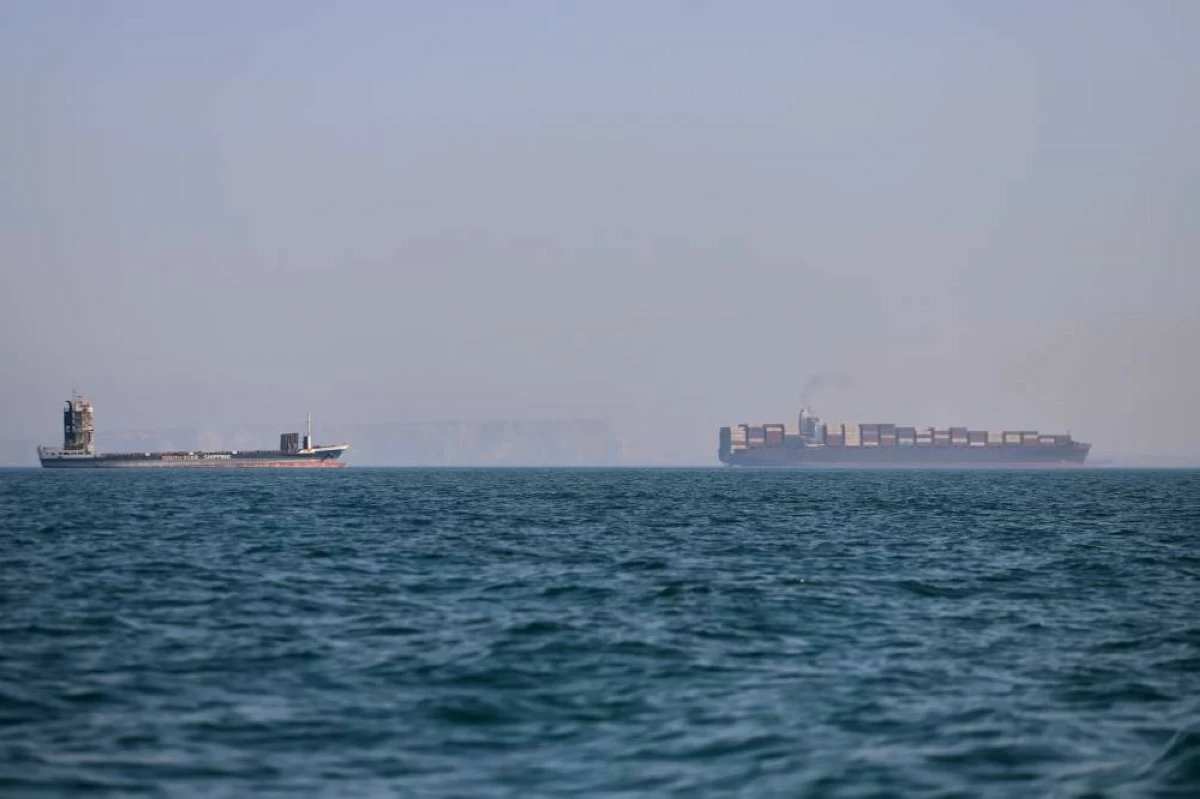
The 14-point MoU’s first physical signal: three Saudi-flagged supertankers carrying 6 million barrels transited the Strait of Hormuz on Thursday, hours after Trump signed the deal. Reuters (via Emirates247) reports the supertankers crossed the strait for the first time since the war began, with shippers that “once might have concealed their positions by switching off their transponders” now broadcasting locations and poised to transit. The deal — which Trump signed on Wednesday in Evian-les-Bains, and Iran’s President Masoud Pezeshkian digitally signed the same day — formally took effect two days earlier than expected. Benchmark Brent crude fell another 2% to below $78/barrel, the lowest since the war started, and the 60-day clock on final-settlement talks is now running. The structural read: this is the first supply-side confirmation that the AM-cycle “deal text signed” signal is now a “deal text being honored on the water” signal. The three tankers and six million barrels are the named physical proof-point — the trade that the AM cycle framed as Goldman/BoFA’s “supply recovery” is now observable in real time.
NYT analysis: “Iran Gets Major Economic Lifeline for Minimal Concessions in Initial Deal.” Yeganeh Torbati’s NYT analysis (the most authoritative Western read of what Iran actually won) names the structural read: the agreement “delays the most difficult steps for Iran for later talks, while granting it crucial benefits.” The headline frame is that the deal’s design gives Iran the upside now (sanctions waivers, frozen-asset release, the $300bn reconstruction conversation, the strait open, the blockade lifted) while pushing the substantive issues (uranium disposition, missile limits, regional proxy support) onto a 60-day negotiating track. The structural read: the NYT analysis is now the most-cited Western framing of the post-deal architecture, and it is structurally aligned with the Iranian parliamentary speaker Ghalibaf’s AM-cycle “talks delivered more results than war” line. For the UAE, the named implication is that the deal as text favors Iran’s financial and energy-exports recovery in the near term — a Gulf-routing and logistics file the UAE has not yet publicly entered.
NYT: “Gulf States Are Frustrated by Failure to Tackle Iran’s Missiles.” Adam Rasgon reports that the preliminary US-Iran deal does not address Iranian rockets or drones, “raising questions in the region about relying on Washington as a security guarantor.” The structural read: the deal’s most consequential regional gap is the missile/drone file — Iran’s full ballistic-missile and drone capability is left untouched while its nuclear file enters a 60-day window. For the UAE and the wider GCC, the named strategic read is that the post-deal security architecture is a Washington-Tel Aviv-Tehran triangle that leaves Gulf missile-defense concerns out of the MoU. The NYT framing aligns with the Israeli press’s hardline critique (see below): both Israel and the Gulf states are publicly saying the deal does too little on Iran’s military capability.
Israel is “stunned” — the deal “accomplishes none of Israel’s stated war aims and arguably leaves the country in worse shape on each of them.” David M. Halbfinger’s NYT piece lays out the Israeli reaction: Israeli analysts and pundits are saying the agreement falls short on every Israeli war aim (no nuclear dismantlement, no missile destruction, no regime change, no end to Iran’s Hezbollah support). The same NYT live blog names “Israeli Pundits Stunned by Trump’s Iran Deal” as the day’s most-read Mideast headline. Al Jazeera’s Netanyahu-under-pressure video wire says the Israeli PM is facing “mounting pressure” after being cut out of the US-Iran agreement. The structural read: the PM cycle’s named Israeli frame is “strategic defeat” — and that frame is the named kinetic-outlier risk the AM cycle identified. With Netanyahu publicly under pressure at home, the Israel-outlier scenario (continued Lebanon strikes, possible unilateral Israeli action) is now a higher-probability named risk.
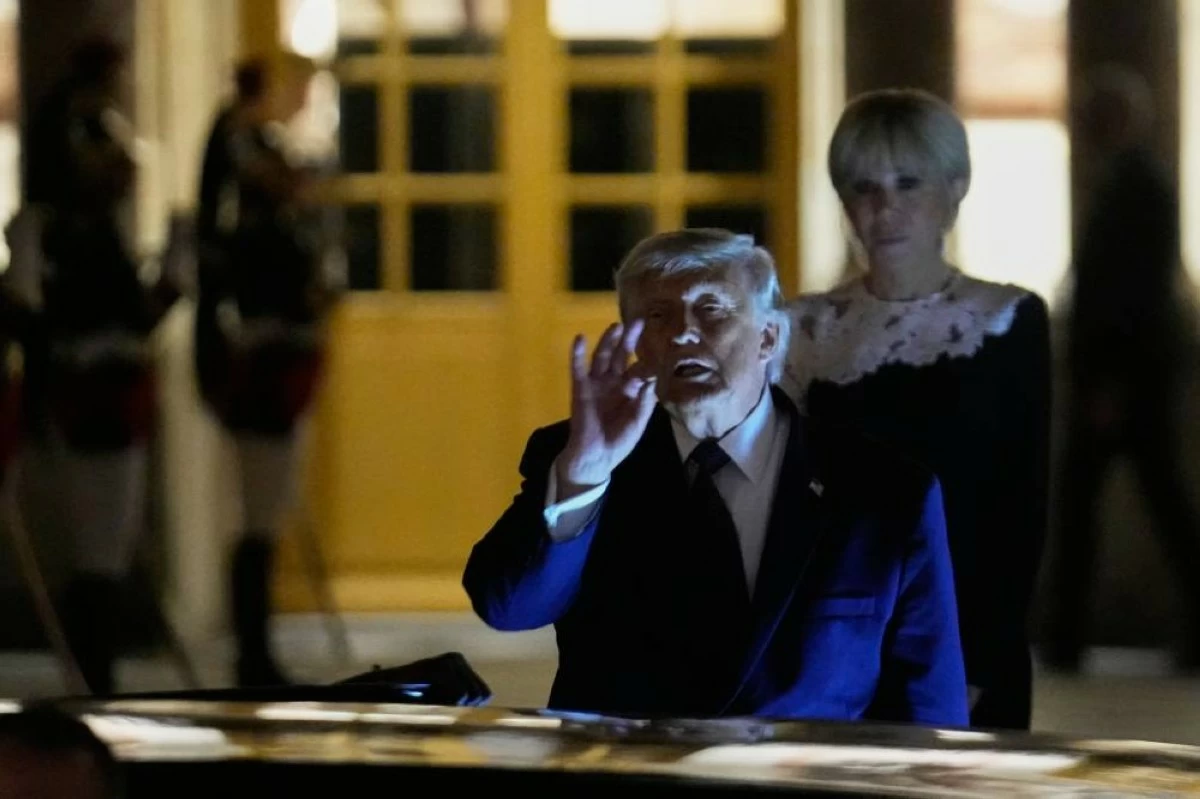
Trump at the G7: “We’re going to bomb the hell out of them if they violate the agreement” — and he publicly chided Netanyahu on Lebanon. The Reuters/Emirates247 piece (and the Trump-Obama-2015-frontal-attack coverage) names the G7-floor lines: Trump threatened to resume bombing, said he would “go right back to dropping bombs right smack in the middle of their head” if the deal fails, called Iranians “smart people,” and — most consequentially — said it would be “unfair” for Tehran not to have ballistic missiles, “having previously vowed to obliterate them.” On Netanyahu, Trump told reporters: “Netanyahu happens to be a good man, gets a little excited sometimes. We have a little dispute over Lebanon. I say you can do a little softer touch, Bibi. You don’t have to knock down a building every time somebody walks into it that’s from Hezbollah.” The structural read: the PM cycle’s most consequential US line is the missile-capability reversal — Trump publicly walked back his pre-war promise to “raze their missile industry to the ground” and is now endorsing a posture in which Iran is allowed to retain ballistic missiles. For Gulf states (and the NYT Gulf-frustrated piece), this is the named strategic read: the US has just publicly accepted an outcome Gulf defense planners view as a security-architecture gap.
Israeli attacks on southern Lebanon killed three on Thursday despite the US-Iran deal — and Iran says the deal requires Israel to halt. Al Jazeera’s Lebanon-strikes piece reports Israeli attacks continued in southern Lebanon on Thursday morning, killing three, with the named kinetic contradiction unchanged from the AM cycle: Iran publicly says the MoU requires a permanent end to the war in Lebanon, while Israel (not party to the deal) says it will not withdraw. The Reuters/Emirates247 piece adds that Lebanese state media reported airstrikes and artillery fire on southern towns, killing at least one in a car, and that “two Israeli officials, including a senior official close to Netanyahu, said on Thursday that Israel was holding negotiations with the United States as it seeks to continue its deployment of troops in southern Lebanon.” The structural read: the named kinetic test identified in the AM cycle (“Iran says deal ends war in Lebanon” vs “Israel says it is not party”) has now produced its first casualty count. With Trump’s “softer touch, Bibi” public line on the record, the Israel-vs-Iran kinetic contradiction is the named live test of the 60-day clock.
Iran says it will charge a “payment for services” in the Strait of Hormuz — the first explicit Iranian statement on Hormuz transit fees. Al Jazeera’s video wire reports Iran will charge a “payment for services” fee in the strait, the first explicit post-deal Iranian statement on what Hormuz-transit pricing will look like. The structural read: the deal’s silence on Hormuz-transit fees is now Iranian-policy, not silence. The named implication for the UAE’s Jebel Ali / Fujairah / Ras al-Khaimah port complex is that the post-deal strait-transit cost structure is now an Iranian-controlled variable — and the named near-term trade is that Hormuz re-routing through UAE east-coast ports may be a price hedge against an Iranian transit fee. The named PM-cycle signal is that JMIC’s threat-level downgrade and the three tankers crossing are now both conditional on an Iranian “payment for services” being priced in.
IAEA: “technical work can begin” — UN atomic energy chief welcomes the deal and offers to verify Iran’s nuclear program. UN News reports the head of the UN’s atomic energy agency on Thursday welcomed the signing of the initial Iran-US memorandum and proposed to “sit down” with both parties to assist with concrete measures such as verification of Iran’s nuclear programme. The structural read: the IAEA has publicly put itself on the post-deal verification track, which is the named institutional frame for the 60-day nuclear window. The “Araqchi wants to retain uranium in diluted form” frame the AM cycle named is now the named IAEA negotiation point — and the named PM-cycle test is whether the IAEA can get a concrete verification framework in place before the 60-day clock runs out.
Rial rebounds and Iranian stocks soar — but the Iranian consumer has not yet seen relief at the grocery checkout. Al Jazeera’s economy piece reports the rial’s rebound and the Tehran stock exchange’s rally after the initial US-Iran agreement, with the named structural read that “Iranians still await relief at the grocery checkout.” The structural read: the deal’s financial-market impact is visible in Iran (currency and equities) but the consumer-price file is not — the named 60-day clock now covers the consumer relief the AM cycle identified as the deal’s most politically charged test inside Iran.
Oil prices fall, stocks rally — Brent drops 2.3% and Asian markets climb. Al Jazeera’s economy piece confirms Brent crude dropped 2.3% and key stock indices in Japan, South Korea and Taiwan climbed; CNBC’s oil-today piece corroborates the price slide; and the Bank of England held interest rates at 3.75% (CNBC) citing Iran-war peace prospects. The structural read: the multi-source consensus on the supply-recovery trade is now the named PM-cycle macro signal. The Day 109 PM Goldman/BoFA call and the Day 110 PM IEA demand-destruction call are both now in the price, and the named Day 111 PM cycle frame is “Brent back to pre-war levels, oil-trade on the way to normalisation, but Barclays holds $100 on near-term physical-supply risk.” For Gulf fiscal pressure the math is structurally worse (lower oil revenue), but the deal-as-text is now a more credible normalization path than the AM cycle’s “performance-based conditionality” frame.
US retail gas falls below $4/gallon for the first time since March — but still ~30% above pre-war levels. CNBC’s gas-prices piece and the AP-via-Emirates247 piece both report the US national average price for regular petrol fell to $3.999/gallon (AAA), with regional gaps from $3.58 (South Carolina) to $5.64 (California). The structural read: the consumer-facing supply-recovery signal is now visible in US pump prices, which is the first cycle in which a Western consumer price has publicly turned. For the UAE, the named PM-cycle signal is that the deal-as-text is now producing consumer-price normalisation — the AM cycle’s “performance-based” frame is now backed by the first retail-price data point.
Trump’s MoU draws backlash from some Republicans — Cassidy calls it “worst foreign policy blunder in decades.” Al Jazeera’s Republican-backlash wire and CNBC’s “Trump hits back at critics” piece both name the same US-domestic political risk: Senator Bill Cassidy (Louisiana) has publicly called the MoU the “worst foreign policy blunder in decades.” The structural read: the PM cycle’s named US-domestic file is Republican blowback, which is the named political risk the AM cycle did not yet have on the wire. The deal’s political coalition is now visibly split: G7 leaders support, but the Republican conference is publicly against. The named PM-cycle question is whether Cassidy-type criticism scales into a Congressional intervention in the 60-day nuclear track.
UAE / Gulf angle
NYT names the Gulf-state position: “frustrated” by the absence of missile/drone limits in the deal. Adam Rasgon’s NYT piece is the most consequential UAE/Gulf-facing item in the PM cycle. The named read: “The preliminary U.S.-Iranian peace deal does not address Iranian rockets or drones, raising questions in the region about relying on Washington as a security guarantor.” The structural read: the named Gulf-state position is now on the Western press’s record, and it is structurally aligned with the Israeli press’s “accomplishes none of Israel’s stated war aims” frame. For the UAE, the NYT piece is the first named public frame in which a Gulf-state security-architecture concern is named in a major Western outlet on the post-deal file — and the named question is whether the UAE publicly enters the file (via a Gulf-Cooperation-Council statement, a defense-ministry briefing, or a UAE-banking-routing $300bn fund play) or remains structurally silent.
The Reuters/Emirates247 deal-text piece is now the lead UAE-published source on the post-deal file — and the three-tanker piece is the lead UAE-published physical-signal piece. Two Reuters-via-Emirates247 pieces in the PM cycle are the named UAE-facing information flow: the first-tankers-cross-Hormuz piece (with the “Brent at lowest since war began” data point and the 60-day clock on final-settlement talks) and the G7/Trump-Obama/MoU-published piece (with the “bomb the hell out of them” and “smart people” lines). The structural read: the UAE’s local press is now structurally leading the region on the deal-text file and the physical-signal file. The named strategic question is whether UAE government wire (WAM) follows Emirates247’s lead or remains silent as in the AM cycle.
The Hormuz “payment for services” announcement is the named UAE-facing test of the post-deal Hormuz-economics file. The PM cycle’s Al Jazeera video wire has Iran publicly stating it will charge a “payment for services” fee in the Strait of Hormuz. The structural read: this is the first explicit Iranian post-deal statement on Hormuz transit pricing, and it is structurally consequential for the UAE’s Jebel Ali / Fujairah / Ras al-Khaimah port complex. The named UAE-facing trade is whether the Iranian transit fee makes the UAE’s east-coast ports more competitive as a Hormuz-bypass route, or whether the fee is set low enough to keep Strait transit as the default. The named PM-cycle signal is that JMIC has downgraded the threat and three tankers have crossed — both of which favor a normal transit regime — but the Iranian “payment for services” line is now an explicit new cost on the transit.
UAE Floating Hospital at Al Arish received five new Gaza patients — the UAE’s humanitarian file is on the wire separately from the Iran deal. Emirates247’s WAM piece reports the UAE’s Floating Hospital in Al Arish received five new patients from Gaza as part of Operation Chivalrous Knight 3, bringing the total to 95 since the Rafah crossing reopened. The structural read: the UAE’s named wire file in the PM cycle is the humanitarian track in Gaza, not the Iran deal. For the regional file, the named implication is that the UAE is publicly continuing its humanitarian posture in the post-deal environment — the same posture it maintained during the war — and the named test is whether the post-deal environment allows an expansion of humanitarian operations in Gaza and Lebanon.
What changed since the previous update (2026-06-18 ~02:30 UTC / Day 111 AM)
From “AM: deal text signed, both sides confirm electronically” to “PM: three Saudi-flagged tankers cross Hormuz, six million barrels — first physical signal of the deal.” The 12-hour delta: the AM cycle’s “deal text signed” frame has now flipped to the PM cycle’s “deal text being honored on the water” frame. The three Saudi-flagged supertankers carrying 6 million barrels are the named physical proof-point, and the Reuters/Emirates247 piece’s “shippers that once might have concealed their positions by switching off their transponders” detail is the named on-the-water behavior change. The named shift: the AM cycle’s “performance-based conditionality” frame is now backed by a measurable supply flow.
From “AM: oil prices back near pre-war levels” to “PM: Brent below $78 (lowest since war began), 2.3% slide; US gas below $4/gallon for first time since March.” The 12-hour delta: the oil/gas price file has moved from a Day 109 PM “supply-recovery trade” to a Day 111 PM “consumer price normalisation” data point. The named PM-cycle macro signal is the AAA US national average at $3.999/gallon, with regional gaps (California $5.64, South Carolina $3.58) showing the deal-as-text impact is propagating to consumer prices for the first time.
From “AM: Israel is the kinetic outlier, Trump-Netanyahu ‘softer touch’ exchange” to “PM: NYT says deal ‘accomplishes none of Israel’s stated war aims’; 3 killed in Lebanon; Israel in active talks with US to keep troops.” The 12-hour delta: the Israel-outlier frame the AM cycle named has now hardened into a NYT “Israeli defeat on every stated war aim” framing, with a named casualty count from continued Lebanon strikes. The Reuters/Emirates247 piece’s “two Israeli officials… holding negotiations with the United States” detail is the first named official read on Israel’s post-deal posture. The named PM-cycle risk is that the deal-as-text’s silence on Israel is producing active US-Israel negotiations about Lebanon, and that those negotiations are now the named kinetic test of the 60-day clock.
From “AM: no fresh UAE wire; named UAE file is the Reuters-via-Emirates247 deal-text” to “PM: NYT names the Gulf-state position; Emirates247 leads on Hormuz physical signal; UAE government wire stays on humanitarian track.” The 12-hour delta: the named UAE/Gulf-facing news of the day is the NYT “Gulf states frustrated” piece (the first named Gulf-state security-architecture concern in a major Western outlet on the post-deal file) plus the Reuters-via-Emirates247 first-tankers piece. The WAM/Al Arish piece shows the UAE government wire is still on the humanitarian track, not the Iran-deal track. The named structural read: the UAE remains structurally silent on the post-deal diplomatic file even as Emirates247 is leading the region on the deal-text and physical-signal reporting.
From “AM: Trump on the G7 floor — ‘go right back to dropping bombs’ / Vance-blame-Insurance / ‘mistakes were made’ on Minab” to “PM: Trump ‘bomb the hell out of them’ + ‘smart people’ + public missile-reversal + public chide of Netanyahu on Lebanon.” The 12-hour delta: the Trump frame has hardened in three ways: (1) the “bomb the hell out of them” line is a more explicit threat than the AM “dropping bombs” line, (2) the “smart people” line is an explicit Iran-complement, and (3) the “unfair” missile-capability reversal is the most consequential US policy change in the cycle. The named PM-cycle development is the missile-capability reversal — Trump publicly endorsing Iran retaining ballistic missiles is the named substantive change to the US position that Gulf states and Israel are now publicly saying is the deal’s most consequential gap.
From “AM: post-deal economic file is Reuters-14-point + NYT-300bn + NYT-oil-waivers (text-first)” to “PM: NYT frames it as ‘Iran Gets Major Economic Lifeline for Minimal Concessions’ — the substantive-side frame is now the dominant Western read.” The 12-hour delta: the post-deal economic file has moved from a “what’s in the deal” frame to a “what Iran got” frame. Torbati’s NYT analysis is now the most-cited Western framing of the deal-as-text, and it is structurally favorable to Iran. The named PM-cycle signal is that the deal is now publicly being read as an asymmetric outcome — Iran gets the upside now (sanctions waivers, frozen assets, strait open, blockade lifted) and the substantive issues (uranium, missiles, regional proxies) are pushed onto a 60-day clock.
From “AM: JMIC/UKMTO downgrades Hormuz threat, insurers ‘wait and watch’” to “PM: Three tankers cross, Iran announces ‘payment for services’ fee, JMIC downgrade is now coupled with an explicit transit-cost variable.” The 12-hour delta: the Hormuz file has moved from “threat downgraded but no transits yet” to “three tankers crossed, plus Iran has publicly stated it will charge a transit fee.” The named PM-cycle development is the Iranian “payment for services” announcement — the first explicit post-deal statement on Hormuz transit pricing. The named implication for the UAE’s Jebel Ali / Fujairah / Ras al-Khaimah port complex is that the post-deal Hormuz-economics file is now a three-variable problem (threat level, transits, transit cost), not a one-variable problem (threat level).
From “AM: Iranian political file unified — Baghaei, Araqchi, Qalibaf, Pezeshkian” to “PM: Iranian consumer file not yet normalized; rial and stocks up, but ‘Iranians still await relief at the grocery checkout’.” The 12-hour delta: the Iranian political file is now joined by an Iranian consumer-price file. The rial’s rebound and Tehran’s stock rally are the named financial-market impact, but the consumer-price file is the named 60-day test. The named PM-cycle signal is that the deal’s financial-market impact is immediate, but the consumer-relief file is still pending — and the AM cycle’s “performance-based conditionality” frame now has a concrete consumer-relief metric the Iranian government will be measured against.
From “AM: G7 leaders welcome deal, Trump uses G7 to threaten Iran” to “PM: G7 statement published, Trump missile-reversal on the G7 floor, Bank of England holds rates citing peace prospects.” The 12-hour delta: the G7 file has moved from a “Trump-rally” frame to a “G7-institutional-statement” frame. The Day 111 PM G7 statement (France, Germany, Britain, Japan, Italy, Canada, US) “underline[s] the need for the negotiation… to ensure that they never obtain a nuclear weapon” and “demand[s] an immediate ceasefire in Lebanon.” The BoE’s 7-2 hold citing Iran-war peace prospects is the first named Western central-bank read of the post-deal environment. The named PM-cycle development is that the G7 statement is now on the wire as a published document, and the named Iran-side response (Baghaei: “No signing ceremony will be held in Switzerland”) is a first crack in the US-Iran ceremonial alignment.
From “AM: no US-domestic political backlash named” to “PM: Republican backlash — Cassidy ‘worst foreign policy blunder in decades’.” The 12-hour delta: the US-domestic political file has moved from “no named opposition” to a named Republican critic on the wire. Cassidy’s framing is the first named Congressional intervention in the post-deal file. The named PM-cycle risk is that Cassidy-type criticism scales into a Republican caucus statement on the 60-day nuclear track.
From “AM: no formal IAEA read on the post-deal verification file” to “PM: IAEA chief — ’technical work can begin’ on Iran’s nuclear program.” The 12-hour delta: the IAEA has publicly put itself on the post-deal verification track, with the head of the agency offering to “sit down” with both parties. The named PM-cycle development is that the 60-day nuclear clock now has a named institutional frame (IAEA verification), and the named Araqchi “uranium in diluted form” position is the named test point.
Latest headlines