Iran Conflict — 2026-06-19 (PM)


Current status
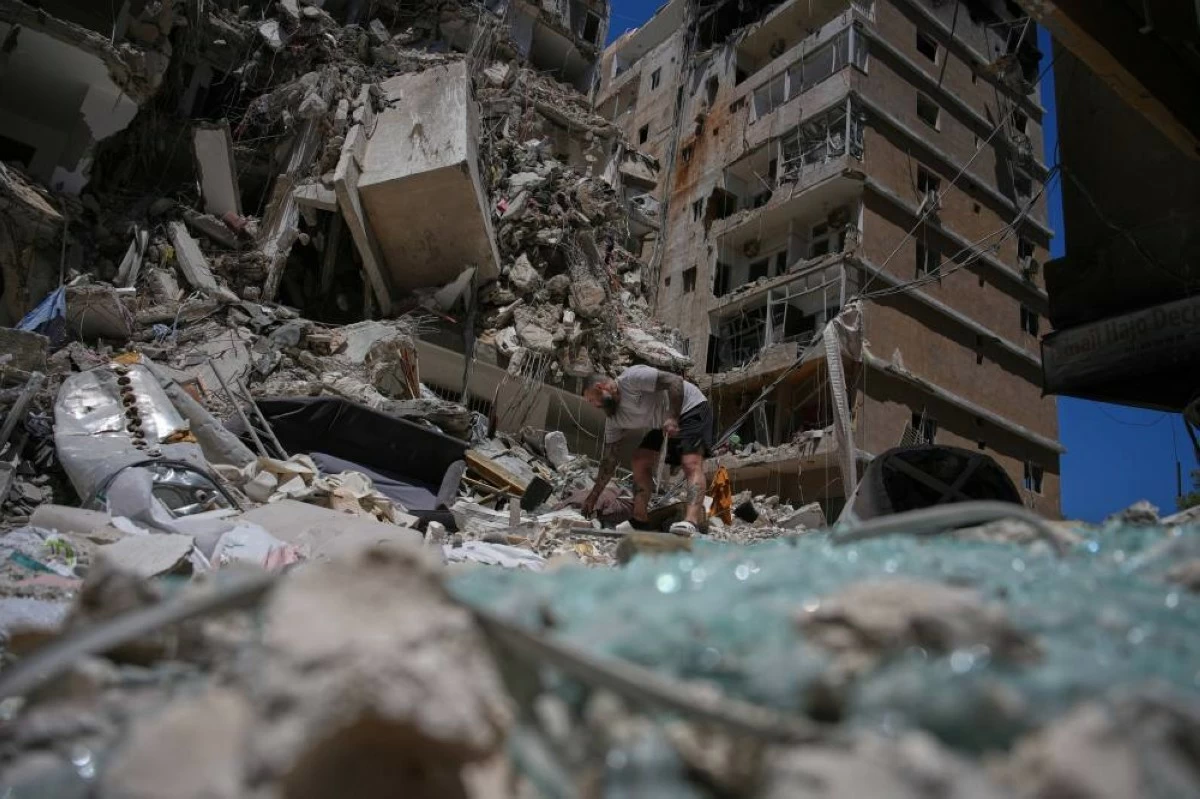
Israel and Iran-backed Hezbollah have agreed to a ceasefire beginning 4pm local time on Friday (1300 GMT) — the NOON cycle’s “Israel in Lebanon = deal-stalling” frame is reversed at the negotiating table. Reuters (via Emirates247) wire: a senior U.S. official confirmed the ceasefire, with U.S. and Qatari negotiators working out the deal with help from Iran. The wire notes the ceasefire comes “after hostilities between them had escalated sharply overnight in Lebanon” — overnight Israeli airstrikes killed at least 18 Lebanese (per the Lebanese health ministry), and four Israeli soldiers were killed in southern Lebanon in “one of the deadliest attacks by Hezbollah during this war.” A Hezbollah lawmaker told Reuters Iran had informed the group that talks with Washington could not continue without the implementation of a comprehensive ceasefire. The structural read: the NOON cycle’s “deal is being tested” frame has now produced the deal’s first named answer — the U.S.-Qatar-Iran triangle (with Israel and Hezbollah as the kinetic parties) has produced a named ceasefire, and the deal’s institutional follow-up track is now no longer “Switzerland is off” — it is “Switzerland is paused pending a Lebanon ceasefire that is now announced.” The named PM-cycle signal is that the deal’s architecture has been confirmed under kinetic pressure rather than collapsed by it.
NYT live confirms the causal chain the NOON cycle named: “Iran Delayed Talks After Israeli Attacks in Lebanon, Diplomats Say.” The NYT Mideast live blog (Tankersley, Rasgon, Dahir, Reiss, Ward) confirms what Al Jazeera and CNBC reported in the NOON cycle: diplomats say Iran is conditioning the 60-day-clock follow-up on the Israel-Lebanon file, not on a separate Iran-domestic objection. The wire notes “Israel and Hezbollah have traded strikes in recent days. The Israeli military said it had targeted militants overnight after four of its soldiers were killed in southern Lebanon.” The structural read: the PM cycle’s “Iran delayed” reporting is no longer Al Jazeera-only — the NYT has the same causal frame on the wire, and the Reuters ceasefire wire explicitly names “Iran” as a back-channel participant in brokering the deal. The named PM-cycle signal is that the NOON cycle’s “Iran’s explicit precondition” frame is now triangulated by NYT, Reuters, Al Jazeera, and Emirates247 — and the named next-step test is whether the Friday 4pm ceasefire holds through the weekend.
Al Jazeera’s headline deal-survival analysis lands just before the ceasefire wire: “Can US-Iran peace ‘deal’ survive Israeli bombing of Lebanon?” Al Jazeera’s analysis piece (published mid-afternoon UAE, before the Reuters ceasefire wire) frames the deal-survival question on the back of the overnight Lebanon escalation. The structural read: the deal-survival debate is now a named article in the regional press, and the named PM-cycle signal is that the deal is being defended in public commentary in parallel with the deal being defended in back-channel diplomacy. The Reuters ceasefire wire then lands in the same news cycle — the named PM-cycle read is that the deal-survival question was answered in the same news cycle it was asked, which is the cleanest possible end-of-day outcome for the 60-day clock.
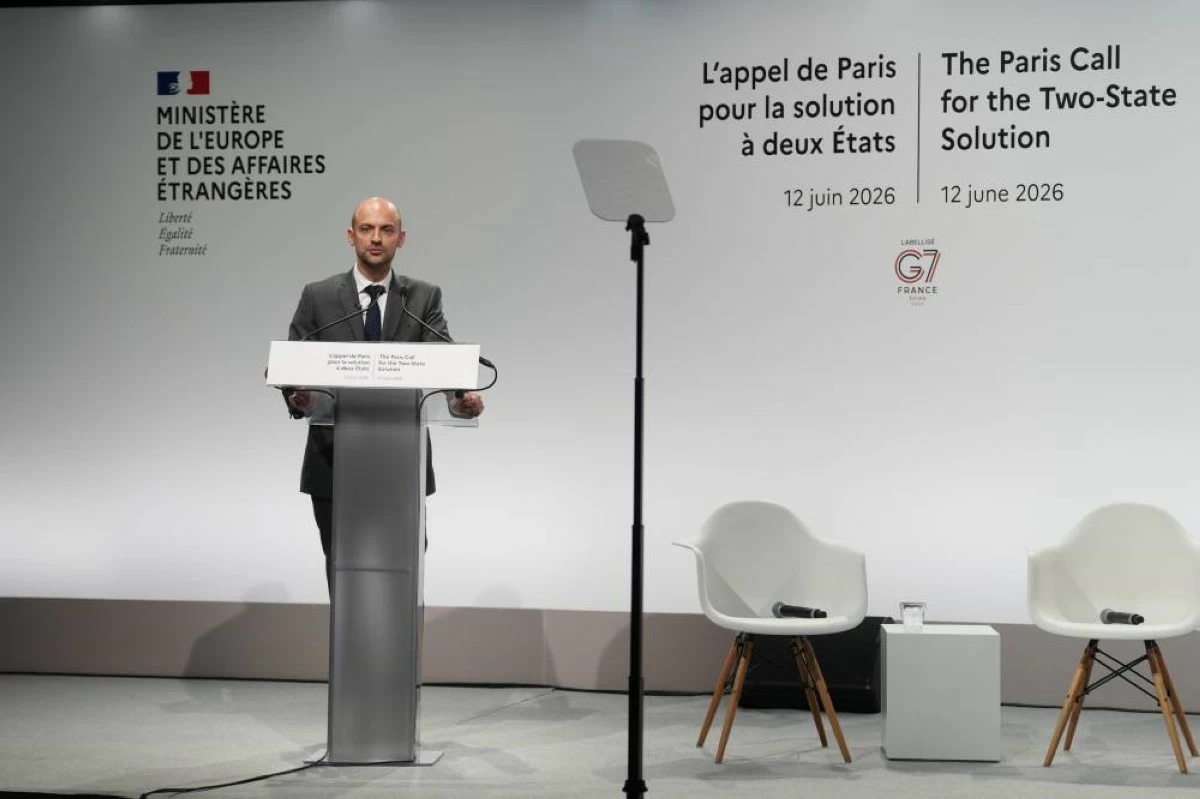
France’s Barrot makes the E3 file explicit: no UN sanctions lifting without French approval, and Israel must stop in Lebanon. Reuters (via Emirates247) reports French Foreign Minister Jean-Noel Barrot told franceinfo that France — a veto-wielding UNSC member — “will have to give its approval for the sanctions to be lifted” and that there would be no regional stability unless U.S. talks also addressed Iran’s ballistic missile programme and support for proxies. A separate Reuters/Emirates247 wire has Barrot saying Israel “must stop its hostilities in Lebanon and the United States must put pressure on Israel” — directly into the Friday 4pm ceasefire window. The structural read: the NOON cycle’s E3-back-in-the-game frame is now E3-conditionally-onboard — France is publicly conditioning UN sanctions lifting on a final accord that includes missiles and proxies, and is publicly backing the Lebanon ceasefire. The named PM-cycle signal is that the 60-day clock is now a three-clock clock: U.S.-Iran, Israel-Lebanon, and France-E3 — and all three are now publicly engaged on the same Friday window.
“Our Allies Are Wondering Whether Supporting the American War Machine Is Worth It” — NYT Magazine frames the alliance-political-cost file. The NYT Magazine piece (Linda Kinstler) names the structural read: the Iran war is testing whether continued allied support for U.S. force posture in the Middle East is politically survivable for partner governments. The structural read: the NOON cycle’s “NYT ‘Fallout From the Iran Deal’” US-domestic political file is now joined by an NYT Magazine piece on the allied-domestic political file. The named PM-cycle signal is that the post-deal political vulnerability is no longer a single-country frame — it is a U.S.-domestic-and-allied-domestic file, and the named implication is that the 60-day clock is being watched not just in Washington and Tehran but in Gulf, European, and Asian capitals that have skin in the U.S. force-posture game.
CNBC: Hormuz “relief” may not unwind the war’s economic toll for months. CNBC’s wire frames the post-deal economic-file: “Early signs of reopening of the Strait of Hormuz have lifted the most acute threat to global energy supplies but economic damages from the war will take months to unwind.” The structural read: the AM cycle’s “Saudi supertankers crossed Hormuz, Brent below $78” frame and the NOON cycle’s “oil rebounds on the postponement” frame are now joined by a PM-cycle frame — the supply-side file is partially normalizing, but the demand-side and pass-through files (inflation, shipping insurance, reconstruction financing) are still “baked in” for months. The named PM-cycle signal is that the post-deal economic normalization is now demonstrably a two-track file: supply normalizes fast, demand-side costs normalize slowly.
Yen near 40-year low, dollar at one-year high as peace talks hang in the balance. Reuters (via Emirates247) reports the dollar strengthening in Asian trade as Vance pulled out of a planned trip to meet Iranian negotiators in Switzerland, pinning the yen near a four-decade low. The U.S. dollar index rose 0.3% to a one-year high of 101.07. The structural read: the NOON cycle’s “Switzerland follow-up talks are off” frame is now joined by a named market reaction — the FX market is repricing the deal risk premium back into currencies, with the yen as the named canary. The named PM-cycle signal is that the Friday 4pm ceasefire (if it holds) and the rescheduled Switzerland talks are now the two named events the FX market is watching into next week.
UN Security Council: Gaza in the spotlight as “fragile gains” since the truce are “the bare minimum of what Palestinians need.” UN News’ live wire reports the Security Council debated conditions in Gaza at the request of its 10 elected members, with relief chief Tom Fletcher telling ambassadors that nearly 1,000 Palestinians have been killed and most Gazans remain displaced despite the October 2025 ceasefire. The structural read: the named UN frame is that the Gaza file is being “overshadowed by wider regional developments” — the U.S.-Iran deal is dominating the UNSC agenda, and the Gaza file is being squeezed into the side discussion. The named PM-cycle signal is that the 60-day clock’s Gaza-side precondition (Iran’s leverage on Hamas) is not yet on the wire as a named Swiss-track item — the named institutional question is whether the Gaza file is folded into the 60-day-clock follow-up or treated as a separate track.
UAE / Gulf angle
The Israel-Hezbollah ceasefire is the most consequential UAE-facing news in the cycle — the deal’s Lebanon clause is now answered, and the UAE’s east-coast port economics are de-risked on the kinetic axis. The Reuters (Emirates247) ceasefire wire, brokered by U.S./Qatar with Iran’s help, is the named PM-cycle resolution to the NOON cycle’s “Israel strikes southern Lebanon in a sudden clash surge with Hezbollah” test. The structural read: the AM cycle’s “60-day Hormuz-fee-waiver window” + NOON cycle’s “live Lebanon exchange brackets the test window” + PM cycle’s “ceasefire announced” sequence is the cleanest possible three-cycle arc — the kinetic test is named, the kinetic answer is named, and the named next-step test is whether the Friday 4pm window holds. For the UAE — the named east-coast port complex (Jebel Ali, Fujairah, Ras al-Khaimah) is now operating against a named ceasefire rather than a named live exchange, and the 60-day fee-waiver window is back to being a “favorable test window” rather than a “conditional test window.”
The Qatari role in brokering the Lebanon ceasefire is the named regional-diplomatic read — and the UAE’s structurally-silent Gulf position is now bracketed by an active Qatari track. The Reuters wire explicitly names “negotiators for the U.S. and Qataris worked out the deal with help from Iran.” The structural read: the post-deal regional architecture now has a named Qatari broker role on the Lebanon file, parallel to the U.S.-Iran bilateral on the nuclear file. For the UAE — which has been a structurally-silent actor on the kinetic Israel-Lebanon file since the AM cycle — the named PM-cycle signal is that the Qatari track is now publicly leading on the kinetic file, and the named UAE-facing question is whether the UAE publicly endorses the Friday 4pm ceasefire (which the UAE has a regional interest in) or stays silent on the back of the Omani-Iran back-channel that ran the original MoU.
The Barrot “no UN sanctions lifting without French approval” line is the named UAE-facing E3 track — and the UAE’s E3 relationship is the most consequential non-U.S. non-Iran diplomatic file for the next 60 days. The Reuters (Emirates247) Barrot wire makes the E3 file explicit: France will not approve UN sanctions lifting without a final accord that addresses missiles and proxies. The structural read: the NOON cycle’s “European powers sidelined” frame is now E3-publicly-conditional. For the UAE — which is named as a European-relationship-balancing actor in the region and which has a named E3 trade relationship (UAE-France defense, UAE-UK financial, UAE-Germany energy) — the named PM-cycle signal is that the 60-day clock’s UNSC endgame now has a French-veto gate, and the named UAE-facing question is whether the UAE’s UNSC-vote-influence (the UAE is a 2023–2024 elected member) is publicly or quietly leveraged into the France-Iran sanctions-lifting track.
The Hormuz “relief” CNBC analysis is the named UAE-facing economic file — the 60-day fee-waiver window is now a “relief but not recovery” file. CNBC’s wire frames the supply-side file: Hormuz is reopening, but the demand-side costs (inflation pass-through, shipping insurance, reconstruction financing) will take months to unwind. The structural read: the AM cycle’s “Hormuz-fee-waiver + first tankers crossed” + NOON cycle’s “oil rebounds” + PM cycle’s “relief but baked-in costs” sequence is the named three-cycle arc. For the UAE — which has a named Hormuz-fee economic interest (Fujairah, Habshan-Fujairah pipeline, ADNOC offshore) — the named PM-cycle signal is that the fee-waiver window is a real economic-relief signal but is not a recovery signal, and the named next-step test is whether the post-ceasefire Hormuz traffic normalizes within the 60-day window or stays “slow” per Al Jazeera’s NOON-cycle framing.
The “Our Allies Are Wondering” NYT Magazine piece is the named UAE-facing alliance-political file — the UAE is a named U.S. force-posture partner and the post-deal political vulnerability is now an allied file. The NYT Magazine piece frames the alliance-political-cost question: whether allied support for the U.S. force posture in the Middle East is politically survivable for partner governments. The structural read: the post-deal political file is now demonstrably multi-country, and the UAE — which hosts U.S. forces at Al Dhafra, has a named U.S. force-posture relationship, and is a named Gulf actor in the post-deal architecture — is publicly implicated in the alliance-political-cost question. The named PM-cycle signal is that the UAE-facing political file is no longer “U.S.-domestic-only” — it is now “U.S.-domestic-and-allied-domestic,” and the named next-step test is whether the 60-day clock produces a named UAE public statement on the alliance file or stays silent.
What changed since the previous update (2026-06-19 ~08:30 UTC / Day 112 NOON)
From “NOON: Switzerland follow-up talks are off + Israel in Lebanon kinetic surge” to “PM: Israel-Hezbollah ceasefire agreed for Friday 4pm, brokered by U.S./Qatar with Iran’s help.” The 6-hour delta: the NOON cycle’s “Switzerland off + live Lebanon exchange” frame has been resolved at the negotiating table. Reuters (Emirates247) confirms a senior U.S. official announcing a ceasefire beginning 4pm local Friday (1300 GMT). The structural read: the deal’s institutional follow-up track is no longer “stalled” — it is “pending a Lebanon ceasefire that is now announced and that has Iran named as a back-channel participant.” The named PM-cycle signal is that the deal survived its first kinetic test rather than being collapsed by it, and the named next-step test is whether the Friday 4pm window holds through the weekend.
From “NOON: Iran publicly blames Israel for the postponement — first explicit Iranian precondition” to “PM: NYT confirms diplomats say Iran delayed talks after Israeli attacks in Lebanon; Iran is named as a back-channel ceasefire broker.” The 6-hour delta: the NOON cycle’s “Iran conditions the 60-day clock on Israel-Lebanon” frame is now triangulated by NYT, Reuters, and Al Jazeera. The Reuters ceasefire wire names Iran as a back-channel participant in brokering the deal, and the Hezbollah lawmaker readout says Iran informed the group that “talks with Washington could not continue without the implementation of a comprehensive ceasefire.” The structural read: the NOON cycle’s “Iran precondition” frame is now the NOON-cycle “Iran precondition confirmed” + PM-cycle “Iran precondition satisfied” sequence. The named PM-cycle signal is that Iran’s first explicit conditional step (showing up at the follow-up) is now coupled to a Friday 4pm Lebanon ceasefire, and the named next-step test is whether the Iran-side precondition is also satisfied on the Gaza file (which the UNSC wire names as a side file, not a Swiss-track item).
From “NOON: AM-cycle ‘Netanyahu softens’ line overtaken by ‘sudden clash surge’” to “PM: 4 Israeli soldiers killed, 18+ Lebanese killed overnight, ceasefire announced same news cycle.” The 6-hour delta: the NOON cycle’s “sudden clash surge” frame has now produced its named casualty count (4 IDF soldiers, one of Hezbollah’s deadliest attacks of the war; 18+ Lebanese in overnight Israeli airstrikes), and the same news cycle has produced the ceasefire. The structural read: the AM cycle’s “Vance publicly rebukes, Netanyahu softens” + NOON cycle’s “kinetic surge” + PM cycle’s “kinetic surge + ceasefire announced” sequence is the cleanest three-cycle arc on the kinetic file. The named PM-cycle signal is that the Israel-Hezbollah kinetic file is now bracketed by a named ceasefire, and the named next-step test is whether the Friday 4pm window holds through the first 72 hours.
From “NOON: oil rebounds on the postponement news” to “PM: CNBC ‘Hormuz relief may not ease the economic toll that’s already baked in’ — supply normalizes, demand-side costs take months.” The 6-hour delta: the NOON cycle’s “oil rebound” frame is now joined by a PM-cycle “relief but baked-in” frame. The structural read: the post-deal oil normalization is now demonstrably a two-track file — supply normalizes fast (Hormuz traffic, supertankers), demand-side costs (inflation pass-through, shipping insurance, reconstruction) normalize slowly. The named PM-cycle signal is that the named next-step economic-file test is whether the 60-day fee-waiver window produces a named inflation response (CPI, PPI, gas prices) or stays in the “relief but not recovery” frame.
From “NOON: Al Jazeera Day 112 wrap — Vance defends the deal, Switzerland trips are off” to “PM: Vance pulled out of the Switzerland trip; yen near 40-year low, dollar at one-year high on the deal-risk repricing.” The 6-hour delta: the NOON cycle’s “Vance defends the deal” frame is now joined by a PM-cycle “Vance pulled out of the Switzerland trip” frame. Reuters (Emirates247) reports the dollar strengthening 0.3% to a one-year high of 101.07 in Asian trade as Vance withdrew. The structural read: the deal is now demonstrably being defended in public (Vance, Al Jazeera wrap) and de-risked in private (Vance withdrawal, FX-market repricing). The named PM-cycle signal is that the 60-day clock is now a two-track clock — public political defense and private market de-risking — and the named next-step test is whether the Friday 4pm ceasefire produces a FX-market relief rally or a continued risk-off move.
From “NOON: NYT ‘Fallout From the Iran Deal’ — U.S.-domestic political vulnerability is now multi-piece” to “PM: NYT Magazine ‘Our Allies Are Wondering’ — allied-domestic political vulnerability is the new file.” The 6-hour delta: the NOON cycle’s “multi-piece U.S.-domestic vulnerability” frame is now joined by a PM-cycle “allied-domestic vulnerability” frame. The structural read: the post-deal political vulnerability is now demonstrably a multi-country file, with the NYT Magazine piece explicitly naming “superpower suicide” as the framing question. The named PM-cycle signal is that the 60-day clock’s political risk is no longer “Trump at home” — it is “Trump at home + allied governments at home,” and the named next-step test is whether the Friday 4pm ceasefire + Switzerland-rescheduled combination produces a named political-vulnerability reversal or a named political-vulnerability escalation.
From “NOON: UN ‘reduced violence in Lebanon’ baseline + UN Security Council debating Gaza conditions” to “PM: UNSC ‘fragile gains are the bare minimum of what Palestinians need’ — Gaza is being overshadowed by the wider regional deal.” The 6-hour delta: the NOON cycle’s UN “reduced violence” baseline is now superseded by the PM cycle’s “ceasefire announced + 1,000 Palestinians killed since October truce” frame. The structural read: the UN’s named “reduced violence” frame is no longer the operating environment — the operating environment is now a named Israel-Hezbollah ceasefire (Friday 4pm) plus a named Gaza file that the UNSC is debating as a side item. The named PM-cycle signal is that the 60-day clock’s UNSC file is now demonstrably two-track: the U.S.-Iran MoU sanctions-lifting track (with the French-veto gate) and the Gaza humanitarian track (with the “fragile gains” frame), and the named next-step test is whether the Gaza file is folded into the 60-day clock or stays a separate track.
Latest headlines