Iran Conflict — 2026-06-20 (AM)


Current status
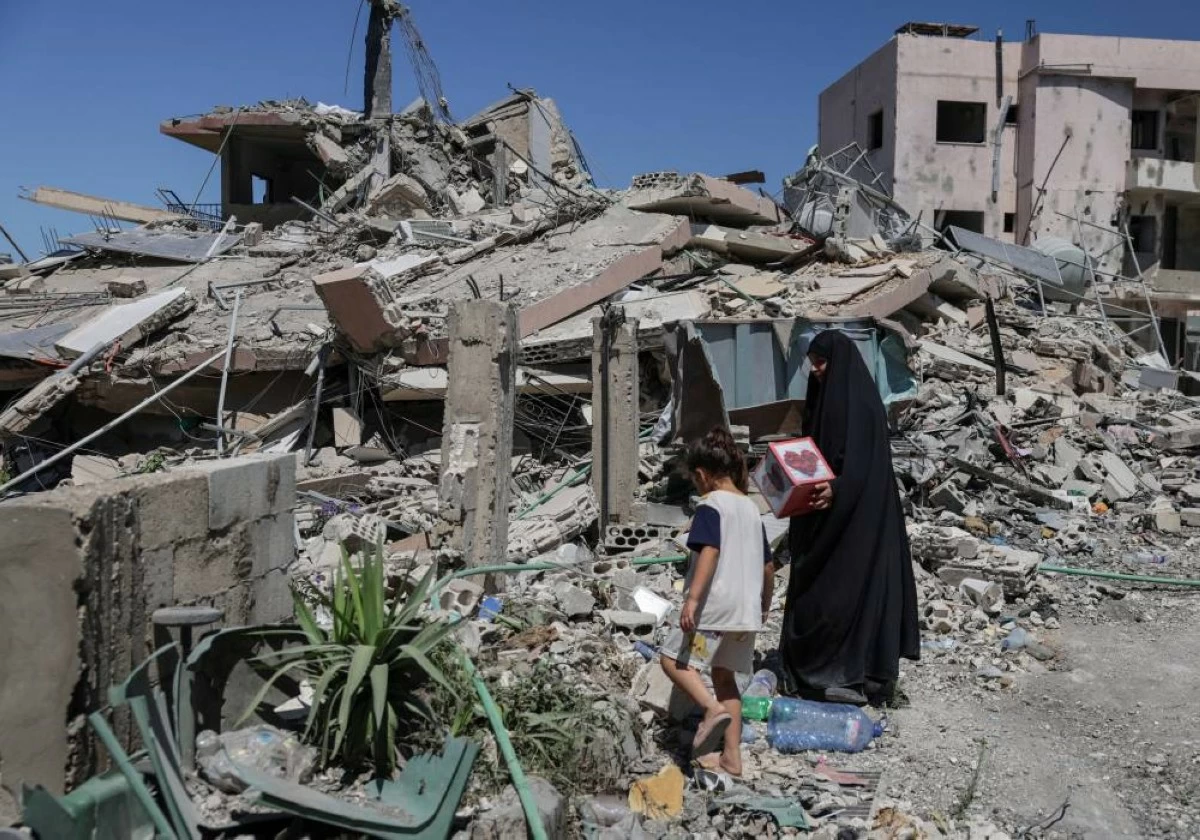
The Friday 4pm Israel-Hezbollah ceasefire is straining on its first overnight test — Al Jazeera reports at least 47 people killed in Israeli attacks on Lebanon since midnight, even as the US announces new Israel-Lebanon talks in Washington next week. Al Jazeera’s wire: “Israel continues attacks on Lebanon despite agreeing to ceasefire,” with at least 47 killed since midnight and US-Iran talks stalling. A second Al Jazeera wire has the US announcing a “new round of Israel-Lebanon talks in Washington next week” specifically to shore up the deal’s Lebanon clause — the talks come as Hezbollah and Israel say a new ceasefire has been reached in the wake of the US-Iran memorandum. The structural read: the PM cycle’s “Friday 4pm ceasefire announced” frame has now produced its first overnight test, and the test result is ambiguous — Israel continued kinetic operations, but the US is now naming a Washington follow-up track as the institutional backstop. The named AM-cycle signal is that the deal’s Lebanon clause is no longer “kinetic test” — it is “kinetic test failed + Washington follow-up track named.”
Iran’s deputy foreign minister tells Al Jazeera Tehran is “ready to move forward” — but only if the US ensures Israel ends attacks on Lebanon. Deputy FM Khatibzadeh’s readout to Al Jazeera: diplomacy is the way forward, but the US must ensure Israel stops attacks on Lebanon. Al Jazeera’s “Iran war live” wire makes the explicit Iranian precondition the AM-cycle lead. The structural read: the PM cycle’s “Iran named as a back-channel ceasefire broker” frame is now joined by an AM-cycle “Iran publicly conditions the 60-day clock on US-Israel leverage over Lebanon” frame. The named AM-cycle signal is that Iran’s first explicit conditional step (showing up at the next Switzerland round) is now publicly paired with a Lebanon-side test that failed overnight — Iran’s “ready to move forward” is now demonstrably coupled to a US-side Israel-Leverage test.
NYT: Iran’s Supreme Leader says he “dislikes” the deal but allowed it — putting responsibility on the president. NYT’s wire (Yeganeh Torbati) frames the Iran-domestic read: Ayatollah Mojtaba Khamenei distanced himself from the agreement, putting responsibility for it on Iran’s president, and said it does not mean acceding to US demands. The structural read: the PM cycle’s “Swiss signing ceremonies nixed + Congress in the spotlight” frame is now joined by an AM-cycle “Iran-domestic political distancing” frame. The named AM-cycle signal is that the deal’s Iran-side political cover is no longer “Khamenei endorses” — it is “Khamenei disavows but allows,” which is a named softer form of the same “Iran-precondition” file the PM cycle named. The named next-step test is whether Khamenei’s distancing shows up as a back-channel slowdown in the 60-day clock’s Iran-side delivery.
CNBC: Oil tanker traffic in the Strait of Hormuz has jumped since the US-Iran deal implemented the open-sea-lane agreement — but post-toll-fee governance is unresolved. CNBC’s wire (updated through 19:00 UTC): “Oil tanker traffic in Strait of Hormuz jumps after U.S. and Iran implement deal to open sea lane,” with the named forward question: how will Hormuz be governed after the toll-free period ends. The structural read: the PM cycle’s “Hormuz relief may not unwind the economic toll for months” frame is now joined by an AM-cycle “sea-lane traffic is real, post-fee governance is open” frame. The named AM-cycle signal is that the supply-side file is now demonstrably normalizing in real time — VLCC traffic through Hormuz has jumped — but the named institutional follow-up is the post-toll-fee governance question, which is exactly the file the 60-day clock must resolve.
NYT: “Trump’s Iran Deal Is Off to a Chaotic Start” — nixed Swiss signing ceremonies, rifts with Israel and Congress, uncertainty over new talks. NYT’s wire (Jim Tankersley and Erica L. Green) names the structural read: the preliminary agreement, not yet a week old, has sown confusion across three tracks — diplomatic (Swiss signing ceremonies nixed), bilateral (rifts with Israel), and institutional (uncertainty over follow-up talks). Al Jazeera’s analysis piece frames it bluntly: “Trump’s Iran deal: A victory lap before the victory.” The structural read: the PM cycle’s “deal survives its first kinetic test” frame is now joined by an AM-cycle “deal is institutionally chaotic” frame. The named AM-cycle signal is that the deal is no longer “tested by kinetic pressure” — it is “tested by institutional pressure,” and the named next-step test is whether the Washington Israel-Lebanon talks track (announced same cycle) produces a named institutional answer.
Trump publicly calls Iran “finished” and frames the deal as “unconditional surrender” — but Vance has delayed his Iran trip. Al Jazeera’s wire: “Trump takes aim at critics of US-Iran MoU, says Iran ‘finished,’” with Trump calling the deal Iran’s “unconditional surrender” and negotiations thrown into doubt as Vance delays his Iran trip. The structural read: the PM cycle’s “Vance pulled out of Switzerland trip + yen near 40-year low” frame is now joined by an AM-cycle “Trump escalates rhetoric + Vance delays” frame. The named AM-cycle signal is that the deal’s US-side political defense is now publicly maximalist (“Iran finished”) while the US-side institutional delivery (Vance’s trip) is publicly paused — the named next-step test is whether the rhetorical maxing-out produces a named Iran-side precondition response.
Al Jazeera’s “As Lebanon tests US-Iran deal, Trump must rein in Netanyahu” — analyst Trita Parsi frames Israel’s Lebanon invasion as the “greatest vulnerability” to the deal. Al Jazeera’s analysis wire: analyst Trita Parsi names the Israel-in-Lebanon file as the “greatest vulnerability” to US-Iran diplomacy, with a separate Al Jazeera analysis piece framing Israel’s positioning as “destruction is the goal: Israel steers between the US, Iran, and Lebanon.” The structural read: the PM cycle’s “Israel-Hezbollah ceasefire announced” frame is now joined by an AM-cycle “Israel is the deal’s greatest vulnerability, per analysts” frame. The named AM-cycle signal is that the Lebanon clause is no longer a kinetic file — it is now an analytical frame for the deal’s overall survival, and the named implication is that the 60-day clock’s success depends on Trump publicly restraining Netanyahu, which is the named test the next 7-10 days will measure.
NYT: “Lebanon Emerges as Weak Link in U.S.-Iran Deal to End War” — and the Lebanon ceasefire “Bolsters the Truce, After a Shaky Start.” NYT’s lead wire (Euan Ward and Christina Goldbaum): the Israel-Hezbollah conflict, once seen as a secondary front to the American-Israeli war on Iran, has become one of the main obstacles to ending it. A second NYT piece (Abdi Latif Dahir, Euan Ward, Adam Rasgon, Johnatan Reiss and Richard Pérez-Peña) frames the Lebanon ceasefire as bolstering the US-Iran truce “after a shaky start” — long-term peace talks were set to begin on Friday, but Iran pulled out citing Israeli strikes in Lebanon; hours later, Israel and Hezbollah agreed to halt fighting. The structural read: the PM cycle’s “ceasefire announced, brokered by US/Qatar with Iran’s help” frame is now joined by an AM-cycle “ceasefire is shaky but holding + Iran pulled out of follow-up talks” frame. The named AM-cycle signal is that the deal’s Lebanon clause has moved from “test announced” to “test shaky” — the named next-step test is whether the Washington Israel-Lebanon talks track (announced same cycle) produces a named durable ceasefire architecture.
Al Jazeera: “Does Trump have to submit the Iran memorandum of understanding to Congress?” Al Jazeera’s wire frames the legal-constitutional file: a 2015 law requiring congressional approval for any Iran nuclear deal is in the spotlight after this week’s memo. The structural read: the PM cycle’s “Congress in the spotlight + NYT ‘Fallout From the Iran Deal’” frame is now joined by an AM-cycle “is the MoU legally a ‘deal’ requiring Congressional submission?” frame. The named AM-cycle signal is that the deal’s institutional risk is no longer “Trump at home” or “allied at home” — it is “is the deal even constitutional without Congress?” — which is a named harder question that the 60-day clock will face from a US-domestic legal angle.
UN Security Council: “Israel kills ‘a child a day’ on average in Gaza despite ceasefire” — UN welcomes fresh Lebanon ceasefire reports while rights experts urge Iran accountability. UN News’ live wire: “Israel kills ‘a child a day’ on average in Gaza despite ceasefire, UN says.” A separate UN News wire has the UN welcoming “fresh Lebanon ceasefire reports as rights experts urge Iran accountability.” The structural read: the PM cycle’s “UNSC ‘fragile gains are the bare minimum’ — Gaza overshadowed by the wider regional deal” frame is now joined by an AM-cycle “Gaza ‘a child a day’ + UN welcomes Lebanon ceasefire” sequence. The named AM-cycle signal is that the UN file is now demonstrably two-track — Gaza humanitarian (active) and Lebanon ceasefire (welcomed) — and the named implication is that the 60-day clock’s UNSC endgame now has both tracks in motion simultaneously.
UAE / Gulf angle
The Israel-Hezbollah ceasefire’s first overnight failure is the most consequential UAE-facing news in the cycle — the deal’s Lebanon clause is now bracketed by a failed first-night test. Al Jazeera’s “47 killed since midnight” wire is the named AM-cycle reversal of the PM cycle’s “ceasefire announced” frame. For the UAE — the named east-coast port complex (Jebel Ali, Fujairah, Ras al-Khaimah) is now operating against a named “ceasefire held but shaky” rather than a named “ceasefire held,” and the named 60-day fee-waiver window is back to being a “kinetic-test-pending” window rather than a “kinetic-test-passed” window.
The US announcement of Washington Israel-Lebanon talks next week is the named UAE-facing institutional backstop — and the UAE’s structurally-silent Gulf position is now bracketed by an active US track. Al Jazeera’s “new round of Israel-Lebanon talks in Washington next week” wire is the named institutional answer to the kinetic-test failure. For the UAE — which has been a structurally-silent actor on the Israel-Lebanon file since the AM cycle — the named AM-cycle signal is that the US is publicly leading on the kinetic file’s institutional backstop, and the named UAE-facing question is whether the UAE publicly endorses the Washington talks track (which the UAE has a regional interest in) or stays silent on the back of the Omani-Iran back-channel that ran the original MoU.
The Hormuz “VLCC traffic jumps” CNBC analysis is the named UAE-facing economic file — the 60-day fee-waiver window is now a “real traffic + post-fee governance open” file. CNBC’s wire frames the supply-side file: tanker traffic through Hormuz has jumped since the US-Iran implementation of the open-sea-lane agreement, but the post-toll-fee governance question is unresolved. For the UAE — which has a named Hormuz-fee economic interest (Fujairah, Habshan-Fujairah pipeline, ADNOC offshore) — the named AM-cycle signal is that the supply-side file is now demonstrably normalizing in real time, and the named next-step test is whether the post-fee Hormuz governance is folded into the 60-day clock’s follow-up or treated as a separate track.
The Khamenei “dislikes but allowed” NYT frame is the named UAE-facing Iran-domestic file — the UAE’s Iran-engagement posture is now coupled to a softer Khamenei distancing. NYT’s wire frames the Iran-domestic read: Ayatollah Mojtaba Khamenei distanced himself from the agreement, putting responsibility for it on Iran’s president. For the UAE — which has a named Iran-track relationship (the Omani-Iran back-channel that ran the original MoU, the Habshan-Fujairah pipeline, the regional banking de-escalation file) — the named AM-cycle signal is that Iran’s political cover for the deal is now a “disavowal-with-allowance” frame rather than an “endorsement” frame, and the named UAE-facing question is whether the regional banking de-escalation file (which the UAE is publicly tied to) is read by Tehran as still-credible or now-conditional.
The “Lebanon is the deal’s greatest vulnerability” Al Jazeera analysis is the named UAE-facing analytical file — the deal’s survival is now coupled to a US-Israel test that the UAE has skin in. Analyst Trita Parsi’s framing — that Israel’s Lebanon invasion is the deal’s greatest vulnerability — is the named AM-cycle analytical read. For the UAE — which has a named regional-stability interest (the east-coast port complex, the U.S. force-posture relationship at Al Dhafra, the regional-banking de-escalation file) — the named AM-cycle signal is that the deal’s success depends on Trump publicly restraining Netanyahu, and the named UAE-facing question is whether the UAE publicly supports the Washington Israel-Lebanon talks track or stays silent.
The Trump “Iran finished” / Vance-delays-trip file is the named UAE-facing US-political file — the deal’s US-side delivery is publicly maximalist and institutionally paused. Al Jazeera’s wire frames the rhetorical-vs-delivery split: Trump publicly calls Iran “finished” while Vance has delayed his Iran trip. For the UAE — which is named as a US-allied regional actor with a named U.S. force-posture relationship — the named AM-cycle signal is that the deal’s US-side political defense is publicly maximalist while the US-side institutional delivery is publicly paused, and the named UAE-facing question is whether the UAE reads this split as “rhetoric for domestic base, delivery will come” or as “rhetoric and delivery are diverging.”
What changed since the previous update (2026-06-19 ~14:30 UTC / Day 112 PM)
From “PM: Israel-Hezbollah ceasefire agreed for Friday 4pm, brokered by US/Qatar with Iran’s help” to “AM: 47 killed in Lebanon since midnight + US announces new Israel-Lebanon talks in Washington next week.” The 12-hour delta: the PM cycle’s “ceasefire announced” frame has now produced its first overnight test, and the test is unambiguously a kinetic failure — Al Jazeera’s “47 killed since midnight” wire names the casualty count, and a separate Al Jazeera wire names the Washington talks track as the institutional backstop. The structural read: the deal’s Lebanon clause has moved from “test announced” to “test failed + Washington talks track announced.” The named AM-cycle signal is that the deal is no longer “ceasefire held” — it is “ceasefire shaky + Washington backstop announced,” and the named next-step test is whether the Washington talks produce a durable ceasefire architecture within 7-10 days.
From “PM: Reuters ceasefire wire names Iran as back-channel broker” to “AM: Iran’s deputy FM publicly conditions the 60-day clock on US-Israel leverage over Lebanon.” The 12-hour delta: the PM cycle’s “Iran named as a back-channel broker” frame is now joined by an AM-cycle “Iran publicly conditions forward movement on US-Israel Lebanon leverage” frame. Deputy FM Khatibzadeh’s “ready to move forward” Al Jazeera readout is paired with the explicit precondition. The structural read: Iran’s first explicit conditional step (showing up at the next Switzerland round) is now publicly paired with a Lebanon-side test that failed overnight. The named AM-cycle signal is that Iran is no longer “back-channel broker” — it is “back-channel broker + public preconditioner,” and the named next-step test is whether the Washington talks track satisfies Iran’s public precondition.
From “PM: NYT ‘Iran Delayed Talks After Israeli Attacks in Lebanon, Diplomats Say’” to “AM: NYT ‘Iran’s Supreme Leader Says He Dislikes Deal With U.S., but Allowed It.’” The 12-hour delta: the PM cycle’s “Iran-delayed” frame is now joined by an AM-cycle “Khamenei-disavows-but-allows” frame. NYT’s wire (Torbati) frames Ayatollah Mojtaba Khamenei as distancing himself from the agreement and putting responsibility on Iran’s president. The structural read: the deal’s Iran-side political cover has shifted from “delay (operational)” to “disavowal with allowance (political).” The named AM-cycle signal is that Iran’s political cover for the deal is no longer “endorsement” — it is “disavowal with allowance,” which is a softer form of the same “Iran-precondition” file the PM cycle named. The named next-step test is whether Khamenei’s distancing shows up as a back-channel slowdown in the 60-day clock’s Iran-side delivery.
From “PM: CNBC ‘Hormuz relief may not unwind the war’s economic toll for months’” to “AM: CNBC ‘Oil tanker traffic in Strait of Hormuz jumps after US-Iran deal implements sea-lane opening.’” The 12-hour delta: the PM cycle’s “relief but not recovery” frame is now joined by an AM-cycle “real traffic jump + post-fee governance open” frame. CNBC’s wire confirms VLCC traffic through Hormuz has jumped since the deal implemented the open-sea-lane agreement. The structural read: the supply-side file is now demonstrably normalizing in real time, but the post-toll-fee governance question is unresolved. The named AM-cycle signal is that the 60-day clock’s economic file has moved from “relief + baked-in costs” to “real traffic + governance open,” and the named next-step test is whether the post-fee Hormuz governance is folded into the 60-day clock’s follow-up or treated as a separate track.
From “PM: Al Jazeera Day 112 wrap — Vance defends the deal, Switzerland trips are off” to “AM: Trump calls Iran ‘finished’ + Vance delays his Iran trip.” The 12-hour delta: the PM cycle’s “Vance defends + Switzerland off” frame is now joined by an AM-cycle “Trump maximalist + Vance delays” frame. Al Jazeera’s “Trump takes aim at critics of US-Iran MoU, says Iran ‘finished’” wire names the rhetorical-vs-delivery split. The structural read: the deal’s US-side political defense is now publicly maximalist (“unconditional surrender”) while the US-side institutional delivery (Vance’s trip) is publicly paused. The named AM-cycle signal is that the 60-day clock’s US-side delivery is now demonstrably a two-track file — rhetorical maximalism + institutional pause — and the named next-step test is whether the rhetorical maxing-out produces a named Iran-side precondition response.
From “PM: NYT ‘Fallout From the Iran Deal’ — US-domestic political vulnerability is multi-piece” to “AM: Al Jazeera ‘Does Trump have to submit the Iran memorandum of understanding to Congress?’ — the legal-constitutional question is now named.” The 12-hour delta: the PM cycle’s “multi-piece US-domestic political vulnerability” frame is now joined by an AM-cycle “is the MoU legally a ‘deal’ requiring Congressional submission?” frame. Al Jazeera’s wire on the 2015 law requiring congressional approval for any Iran nuclear deal is the named AM-cycle institutional read. The structural read: the deal’s institutional risk has moved from “political” to “legal-constitutional.” The named AM-cycle signal is that the 60-day clock’s US-domestic risk is now demonstrably a three-track file — political (Trump at home), allied (NYT Magazine), and legal-constitutional (Congressional submission) — and the named next-step test is whether the MoU is formally classified as a “deal” requiring submission or as a “memorandum” that doesn’t.
From “PM: UNSC ‘fragile gains are the bare minimum’ — Gaza overshadowed by wider regional deal” to “AM: UN ‘a child a day’ killed in Gaza despite ceasefire + UN welcomes fresh Lebanon ceasefire reports.” The 12-hour delta: the PM cycle’s “Gaza overshadowed” frame is now joined by an AM-cycle “Gaza ‘a child a day’ + UN welcomes Lebanon ceasefire” sequence. UN News’ “Israel kills ‘a child a day’ on average in Gaza despite ceasefire” wire is the named AM-cycle humanitarian read, paired with a separate UN News wire welcoming fresh Lebanon ceasefire reports. The structural read: the UN file is now demonstrably two-track — Gaza humanitarian (active, deteriorating) and Lebanon ceasefire (welcomed, shaky). The named AM-cycle signal is that the 60-day clock’s UNSC endgame now has both tracks in motion simultaneously, and the named next-step test is whether the Gaza file is folded into the 60-day clock’s follow-up or stays a separate track.
Latest headlines