
Iran Conflict — 2026-06-20 (PM)


Current status
Day 113 of the war, end-of-day. Iran has re-closed the Strait of Hormuz via its joint military command, citing US “bad faith” and a “clear breach of its commitments” — a kinetic reversal of the AM-cycle “VLCC traffic jumps” frame. The Israel-Hezbollah ceasefire that took effect Friday 4pm is failing its second overnight test: at least 10 people killed in Lebanese strikes, with MSF describing Nabatieh as a “death trap.” Iran’s negotiating team has nonetheless confirmed it is heading to Switzerland. Iran’s rival political camps are publicly locking horns over the MoU, with Ayatollah Khamenei’s “disavowal with allowance” hardening into a factional fight, while world leaders remain publicly wary of the deal. The UK foreign secretary has condemned an Israeli minister’s inflammatory Lebanon remarks.
UAE / Gulf angle
The single biggest UAE-facing development of the cycle is Iran’s re-closure of the Strait of Hormuz. The AM cycle’s “VLCC traffic jumps + post-fee governance open” frame is now reversed: Iran has formally closed the waterway again, citing US bad faith over Lebanon. For the UAE — which has a direct Hormuz-fee economic interest (Fujairah terminal, ADNOC offshore operations, Habshan-Fujairah pipeline) — the named PM-cycle signal is that the 60-day fee-waiver window has flipped from “supply normalizing” to “supply uncertain.” UAE-flagged shipping and Fujairah transshipment volumes should be expected to absorb any diversion pressure in the immediate term. The Lebanon kinetic-failure track (10 more killed, MSF “death trap” framing) is the institutional backstop question: if Iran publicly walks away from Switzerland over Lebanon, the named UAE-facing exposure is the Hormuz transit fee governance file — the same file the AM cycle was treating as the next negotiation item is now the live crisis item.
What changed since the previous update
- Iran has formally re-closed the Strait of Hormuz, citing US “bad faith” and breach of commitments over Lebanon.
- 10 killed in Lebanese strikes in the second overnight test of the Friday 4pm Israel-Hezbollah ceasefire (per Emirates247/Reuters).
- Iran’s negotiating team confirmed heading to Switzerland even as Hormuz is re-closed.
- MSF publicly frames Nabatieh conditions as a “death trap” amid stepped-up Israeli strikes.
- Iran’s rival political factions publicly squaring off over the US peace deal.
- UK foreign secretary publicly condemns Israeli minister’s inflammatory Lebanon remarks.
- NYT live blog: shipping remains “far below prewar levels” in Hormuz despite the AM’s VLCC-traffic-jump wire.
Latest headlines
Iran re-closes Strait of Hormuz, citing US “bad faith” and breach of commitments over Lebanon. Iran’s joint military command announced the closure as the deal’s Lebanon clause continues to fail its kinetic test. Iran’s negotiating team simultaneously confirmed it is heading to Switzerland.
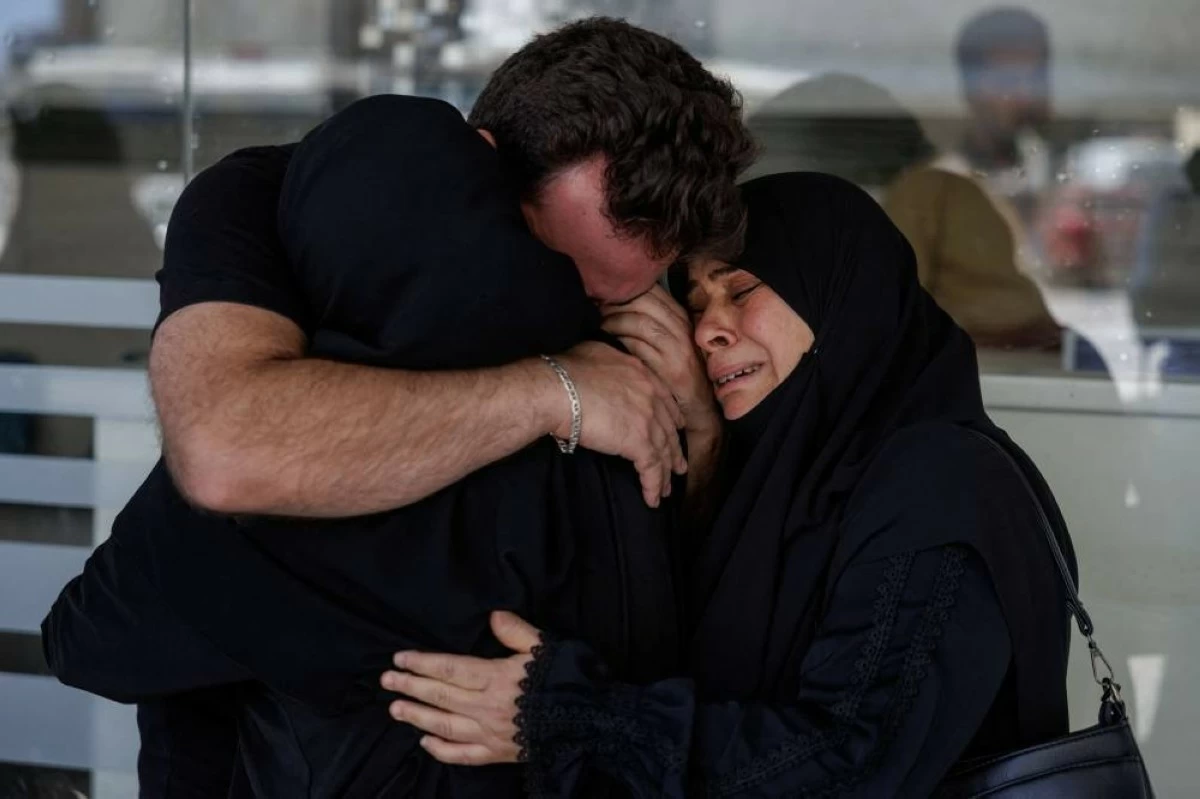
10 killed in Lebanese strikes in second overnight test of Israel-Hezbollah ceasefire. Israeli strikes killed at least 10 people hours after the Friday 4pm ceasefire took effect, with Israel saying it was responding to more than 50 projectiles fired by Hezbollah. Lebanon’s health ministry reports 3,912 killed in Israeli attacks since March 2.
Iran’s political factions publicly squaring off over the US peace deal. Rival political camps are locking horns over the memorandum of understanding with the US, with the Khamenei “disavowal with allowance” frame now hardening into a factional contest. The structural read: Iran’s domestic political cover for the deal is now contested, not simply cautious.
MSF describes Nabatieh conditions as a “death trap” amid stepped-up Israeli strikes. Médecins Sans Frontières issued the warning as Israel stepped up attacks on parts of southern Lebanon including Nabatieh since midnight on Friday, underlining the humanitarian failure of the kinetic track.
UK foreign secretary condemns Israeli minister’s inflammatory Lebanon remarks. The British foreign secretary publicly slammed an Israeli minister’s inflammatory Lebanon remarks amid the regional tensions and fragile ceasefire — a named European-institutional pushback against Israeli kinetic pressure.
NYT: world leaders remain wary of the Iran deal despite months of waiting. The interim agreement raises hopes for calming the world economy but leaves many details for future negotiations, putting the global economy on edge — European capitals remain publicly cautious about endorsing the framework.
NYT live: shipping remains far below prewar levels in the Strait of Hormuz. The preliminary US-Iran deal took steps to reopen the vital waterway, but traffic remains erratic — and now Iran’s re-closure has formally put the AM cycle’s “VLCC traffic jumps” frame in reverse.
Al Jazeera: “Trump’s Iran deal, Israel’s meltdown” — the precarious MoU. The Listening Post segment frames the structural read on the US-Iran memorandum of understanding against Israel’s public opposition and the unresolved Lebanon kinetic file.