
Iran Conflict — 2026-06-22 (AM)


Current status
US–Iran Switzerland talks (Day 1) wrapped at Bürgenstock with both delegations describing the session as “tense but constructive” — mediators Qatar and Pakistan jointly announced a 60-day roadmap for a final deal. The talks, held at the Swiss mountain resort of Buergenstock and hosted by mediator Qatar, mark the first meeting under a memorandum of understanding agreed last week. The agreement calls for the reopening of the strait and a halt to all hostilities, including in Lebanon.
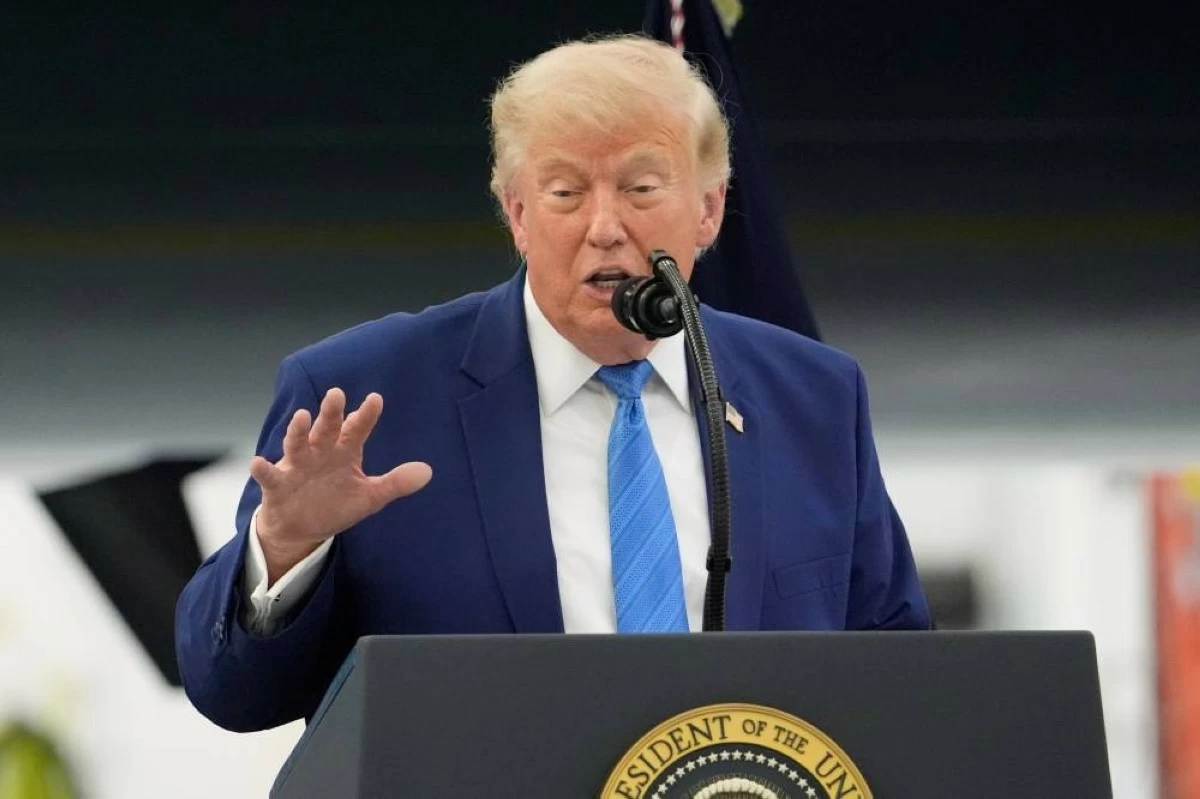
Trump simultaneously threatened to “hit Iran very hard again, only harder” while Vance led the negotiating team and publicly downplayed the friction. “These things are always a little bit messy,” Vance told travelling media. The split message — public threat from Trump, private engagement from Vance — is the structural risk to the negotiating track.
Iran’s foreign ministry spokesperson Esmail Baghaei said the Day 1 talks would last only one day and focus solely on implementing the MoU — not broader nuclear negotiations. Tehran also said the next phase, including its nuclear programme, could not begin until Lebanon fighting stops and promised economic benefits are delivered.
CNBC and Al Jazeera confirm the roadmap includes a specific Lebanon deconfliction track — the first explicit US–Iran agreement to address Israel’s Lebanon operations as part of the Iran deal. The deal now has a published Lebanon file with a US commitment to coordinate on deconfliction.
Brent crude slipped in early Monday trading as the roadmap headlines landed — reversing some of Friday’s spike after Iran re-declared Hormuz shut. Trump’s renewed-strike threat capped the downside. Markets are pricing a 60-day window of relative calm, with hard downside if the Lebanon track collapses.
UAE / Gulf angle
The 60-day roadmap was announced jointly by Qatar and Pakistan — putting Doha at the center of the de-escalation track. For the UAE, this means Qatari-led shuttle diplomacy is the working channel for any GCC-facing deliverables; Abu Dhabi’s parallel role is anchoring regional economic stability through OPEC+ coordination and the Strait shipping lane. The published framework explicitly calls for the reopening of the strait as a precondition — a UAE-facing win in the published text.
Egypt’s President El-Sisi hosted the foreign ministers of Saudi Arabia, Pakistan and Türkiye in Cairo on Sunday, demanding that any final US–Iran deal “ensure the security of Gulf Cooperation Council states and all Arab countries.” The published four-country statement explicitly lists freedom of navigation — a direct UAE-facing reference to the Hormuz file.
Iran re-declared the Strait of Hormuz shut over the weekend, citing Washington’s failure to uphold its Lebanon commitment — but the US disputed the closure as “not fully shut.” Ship tracking data showed an immediate impact: only one small tanker crossed the strait with active signals after the announcement, versus dozens in recent days. For the UAE, Fujairah port — outside the Strait — remains the critical bypass for Gulf crude exports if Hormuz stays contested.
President Masoud Pezeshkian publicly expressed optimism about the talks, noting initial progress includes restoring access to some financial resources. Pezeshkian is publicly backing the MoU even as Khamenei expresses reservations — a published Iranian leadership split that mirrors the US split (Trump public vs Vance private).
What changed since the previous update
US–Iran Switzerland talks (Day 1) wrapped with a 60-day roadmap agreed under Qatari hosting. First substantive negotiation session since the MoU was signed last week. Both sides called it “tense but constructive.”
Lebanon deconfliction track added to the published roadmap. First explicit US–Iran agreement to address Israel’s Lebanon operations as part of the Iran deal.
Iran re-declared the Strait of Hormuz shut on Saturday, citing Washington’s failure to end fighting in Lebanon. Ship tracking confirms a sharp drop in transits (only one active-signal vessel crossing). US disputes the closure.
Trump’s renewed-strike threat — “hit Iran very hard again, only harder” — even as Vance leads the negotiating team and publicly downplays the friction.
Egyptian-Saudi-Pakistan-Turkey coordination in Cairo demanding GCC security guarantees in any final deal. The published four-country statement explicitly lists freedom of navigation.
Iran’s foreign ministry confirmed the Day 1 talks would last only one day and focus solely on MoU implementation, not nuclear negotiations. The 60-day roadmap is the operative timeline for substantive deliverables.
Brent crude slipped in early Monday trading as the roadmap headlines landed — markets are pricing a 60-day window of relative calm. Khamenei publicly expressing MoU reservations while Pezeshkian publicly backs it — a published split inside Iran’s leadership that mirrors the US split.
Latest headlines