Iran Conflict — 2026-06-22 (NOON)


Current status
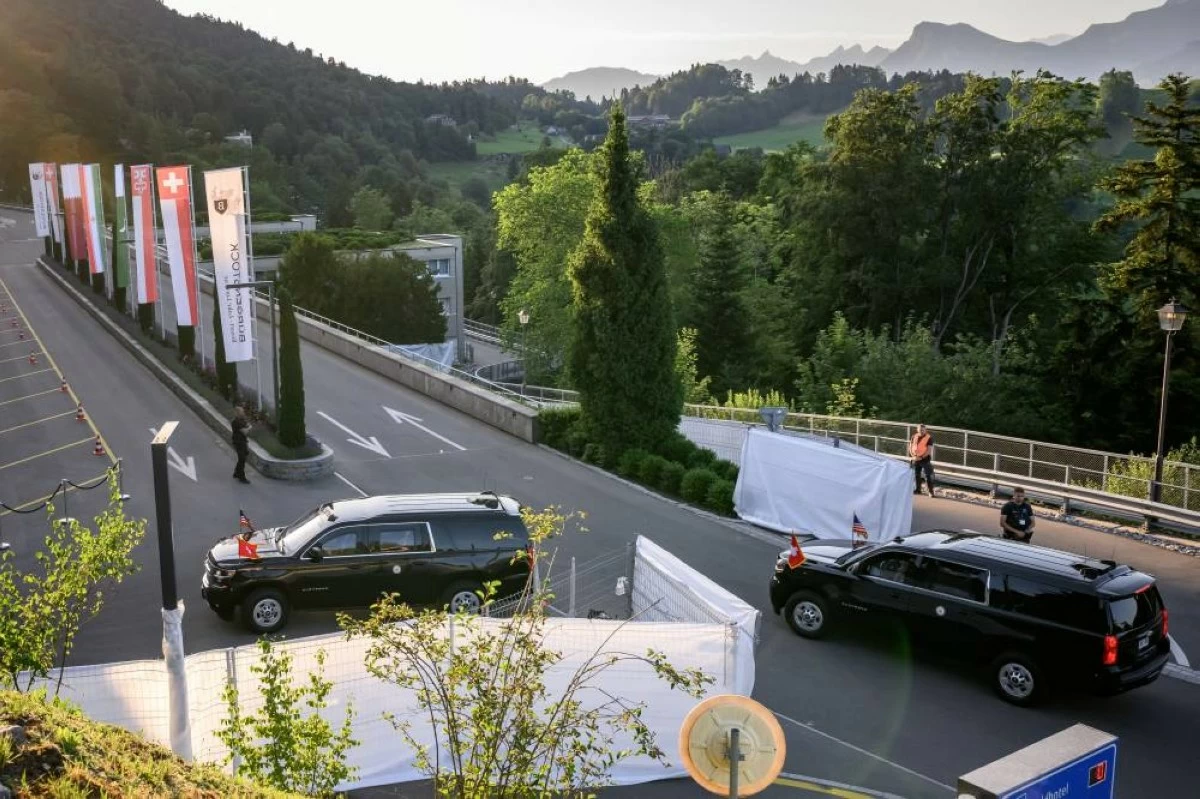
US–Iran Switzerland talks (Day 1) concluded in the early hours of Monday at Bürgenstock with mediators Qatar and Pakistan announcing a 60-day roadmap to a final deal — and Iranian FM Abbas Araghchi claiming Iran has secured waivers for oil and petrochemical exports, the release of some frozen assets, and a reconstruction-and-development plan. Reuters via Emirates247: “A joint statement from mediating nations Qatar and Pakistan said the U.S. and Iran agreed to a roadmap towards a final deal within 60 days. Technical talks will continue for the rest of the week in the Swiss mountain resort of Buergenstock.” The structural read: NOON cycle hardens the AM cycle’s “tense but constructive Day 1” frame into a published roadmap + Iranian concessions frame — the deal now has operative content (oil/petchem waivers, frozen-asset release, Lebanon deconfliction, Hormuz transit mechanism) rather than just a procedural milestone.
Trump publicly threatened Iran with renewed strikes even as Vance led the negotiating team — telling Fox News he told Iranian officials “you won’t have a country” if they tried to close the Strait again, and reiterating his threat to take over the waterway and charge a toll. Reuters via Emirates247: “Trump said he told Iranian officials, ‘you won’t have a country’ if they tried to close the strait again. Trump also reiterated an earlier threat that the U.S. would take over the waterway and possibly charge a toll of its own.” Trump separately wrote on social media: “Iran must immediately stop their highly paid PROXIES in Lebanon from causing trouble. If they don’t, we’ll hit Iran very hard again, just like we did last week, only harder!!!” The structural read: NOON cycle escalates the AM cycle’s split-message frame — Trump’s “you won’t have a country” threat to a negotiating counterpart hours before a deal was announced is the strongest published pressure signal of the conflict so far. The operative channel remains Vance’s engagement, but the public-pressure channel now carries an explicit regime-survival threat.
Qatar’s Ras Laffan Industrial City — home to the world’s largest LNG export facility — was hit by an explosion that injured 54 and left 18 missing, with Qatar’s Ministry of Interior blaming a “technical malfunction.” Al Jazeera: “Blast at Ras Laffan Industrial City caused by ’technical malfunction’, Qatar’s Ministry of Interior says.” No Iranian or US military link was named in the early reporting, but the incident hits the Qatari energy infrastructure that is also the backchannel for the US–Iran track — and any future damage to Gulf LNG capacity directly affects European and Asian gas flows. The structural read: NOON cycle introduces a major Gulf-energy kinetic event that sits parallel to the negotiating track. If the cause is determined to be non-accidental, the published Iranian concession list above becomes collateral damage in a much larger escalation.
Oil markets and Asian equities reacted to the roadmap with a relief bid — Brent crude fell more than $1 to $79.44 a barrel (roughly $70 pre-war), while the Nikkei 225 jumped 1.6% to a fresh all-time high of 72,831.73, and South Korea’s Kospi gained 0.4%. Associated Press via Emirates247: “Oil prices fell as talks progressed over a permanent end to the Iran war. Brent crude, the international standard, was trading 1.4% lower to $79.42 per barrel. It was at roughly $70 a barrel before the start of the war in late February.” ING commodities strategists Warren Patterson and Ewa Manthey warned: “Moving towards a more permanent deal will be challenging, with very real risks of a flare-up in hostilities.” Hong Kong’s Hang Seng lost 1% to 23,690.86. The structural read: NOON cycle shows oil markets are pricing a 60-day window of relative calm — but analyst commentary is already flagging the flare-up risk, and the Ras Laffan blast is the kind of event that resets the price immediately.
UAE / Gulf angle
The Ras Laffan explosion lands inside the Qatari channel that the published roadmap just named as the co-mediator — putting Doha’s energy infrastructure and Doha’s diplomatic role on the same line. For the UAE — with east-coast port complex (Jebel Ali, Fujairah, RAK), direct Hormuz-fee interest, and ADNOC offshore operations — the named NOON-cycle signal is that the Qatari-hosted mediation track is now operating alongside, not separate from, kinetic exposure to Gulf energy infrastructure. Fujairah remains the published UAE-facing bypass for Gulf crude exports; the published concession list (oil/petchem export waivers + frozen-asset release) gives UAE-flagged shipping and ADNOC counterparties a published near-term operating baseline.
The 60-day roadmap explicitly includes a Lebanon deconfliction mechanism and a Hormuz safe-passage communications line — the first US–Iran agreement to address Israel’s Lebanon operations as part of the Iran deal, and the first published US–Iran mechanism for keeping the Strait open during the negotiating window. Reuters via Emirates247: “The parties agreed to a mechanism to end the fighting in Lebanon and opened a communications line to help ensure safe passage for commercial ships through the contested strait.” The structural read: NOON cycle adds the operative-mechanism layer on top of the AM cycle’s Lebanon is on the table signal. For the UAE — with its named GCC-facing interest in freedom of navigation and territorial integrity — the published Lebanon-and-Hormuz mechanism is the concrete deliverable of the day.
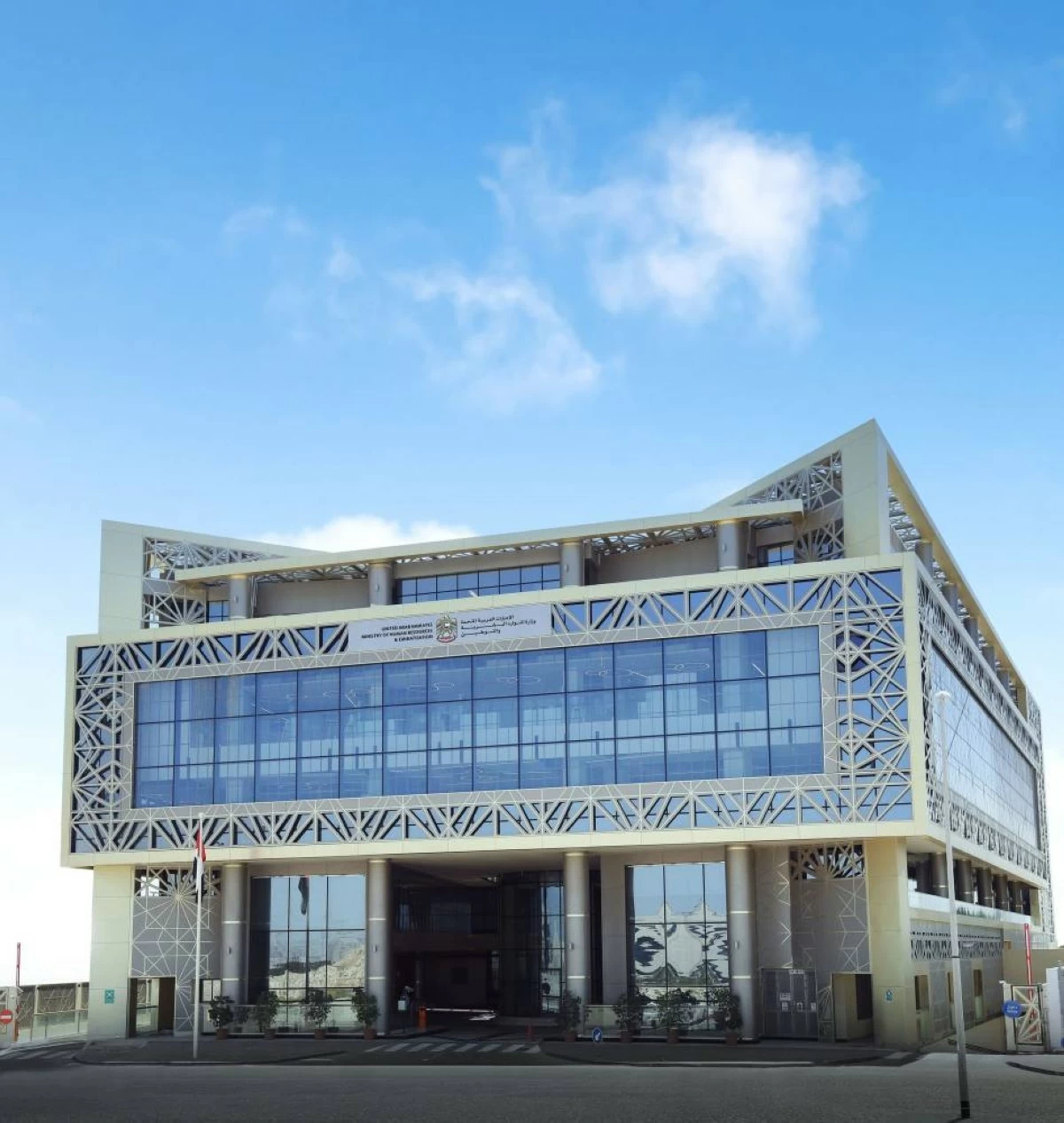
MoHRE reaffirmed that 30 June is the final deadline for private-sector Emiratisation targets — with AED 10,000/month financial contributions kicking in from 1 July on non-compliant companies. Emirates247 / WAM: “MoHRE is set to begin imposing financial contributions on non-compliant companies starting from 1st July 2026, amounting to AED10,000 per month (AED120,000 annually) for each position they fail to fill with an Emirati citizen.” The structural read: NOON cycle adds a UAE-domestic labour-policy signal parallel to the Iran track. The 30 June deadline (one week away) is the operative timeline; the published AED 10,000/month penalty is the operative enforcement lever; and the ministry’s anti-“fake Emiratisation” warning is the operative compliance gate. MoHRE cited partnership with the private sector as essential to progress.
What changed since the previous update (2026-06-22 ~02:30 UTC / Day 115 AM)
- NEW: Trump’s “you won’t have a country” threat to Iranian officials (reported by Fox News) was published during the negotiating window — the strongest published pressure signal of the conflict so far. The AM cycle had Trump’s “hit Iran very hard again, only harder” post; NOON escalates with an explicit regime-survival threat.
- NEW: Iranian FM Araghchi published the Iranian concession list — oil and petrochemical export waivers, release of some frozen assets, launch of a reconstruction-and-development plan for Iran. The AM cycle had the 60-day roadmap; NOON adds what Iran says it secured in it.
- NEW: The published roadmap now includes operative mechanisms — a Lebanon deconfliction track and a Hormuz safe-passage communications line. The AM cycle named Lebanon as on the table; NOON adds the operative mechanism and the Hormuz transit channel.
- NEW: Explosion at Qatar’s Ras Laffan Industrial City — 54 injured, 18 missing. Qatar’s Interior Ministry blames a “technical malfunction.” Major Gulf-energy kinetic event landing parallel to the negotiating track.
- NEW: Oil and equity market reaction — Brent fell to $79.44 (close to pre-war $70), Nikkei 225 hit a fresh all-time high of 72,831.73, Kospi up 0.4%, Hang Seng down 1%. The AM cycle had no market data; NOON publishes the relief bid and the analyst warning.
- NEW: UAE-domestic Emiratisation deadline confirmed — 30 June final deadline, AED 10,000/month penalties from 1 July on non-compliant companies. MoHRE warns against “fake Emiratisation” schemes.
Latest headlines