Iran Conflict — 2026-06-24 (AM)


Current status
The US Senate voted to pass an Iran war powers resolution — the first such measure to clear both chambers — handing President Trump a rare congressional rebuke on the war. Al Jazeera: “The resolution is the first to pass both the Senate and the House, though it is likely to face a presidential veto.” CNBC: “Senate Republicans want more details on Trump’s Iran deal as questions swirl around sanctions relief, nuclear restrictions and congressional approval.” The structural read: AM cycle adds a published US-domestic-political dimension that the PM cycle’s exhausted-and-running-out-of-options framing did not capture. The Senate vote is the operative US-side institutional signal that the trust-but-verify posture the AM cycle flagged in Trump’s we’ll see hedge has now graduated into a published legislative-branch reassertion of war-powers authority. The resolution is published veto-bound, so the operative near-term question is whether the named veto can be sustained — but the published first to pass both chambers qualifier is the operative institutional fact.
The Trump-vs-Iran nuclear inspection dispute has hardened overnight — Trump publicly claims Iran agreed to “highest level” inspections; an Iranian official publicly counters “no detailed discussions on the nuclear issue.” NYT: “President Trump said that in the latest round of peace talks, Iran had agreed to full inspection of its nuclear sites. Iran’s government said it had not.” Al Jazeera live: “Iran war live: Trump, Tehran at odds over nuclear inspections, Hormuz.” The structural read: AM cycle adds the published Trump-channel highest-level-inspections claim sitting alongside the published Iranian-channel no-detailed-discussions counter-claim. The two readouts sit side-by-side: the operative US-side read is agreed-to-highest-level-inspections; the operative Iranian-side read is nothing-was-discussed-in-detail. This is the same disputed-verification pattern the PM cycle flagged for Hormuz-closure and the AM cycle flagged for IAEA return — but Day 3 the dispute has now reached the level of direct public contradiction between the US president and the Iranian government.
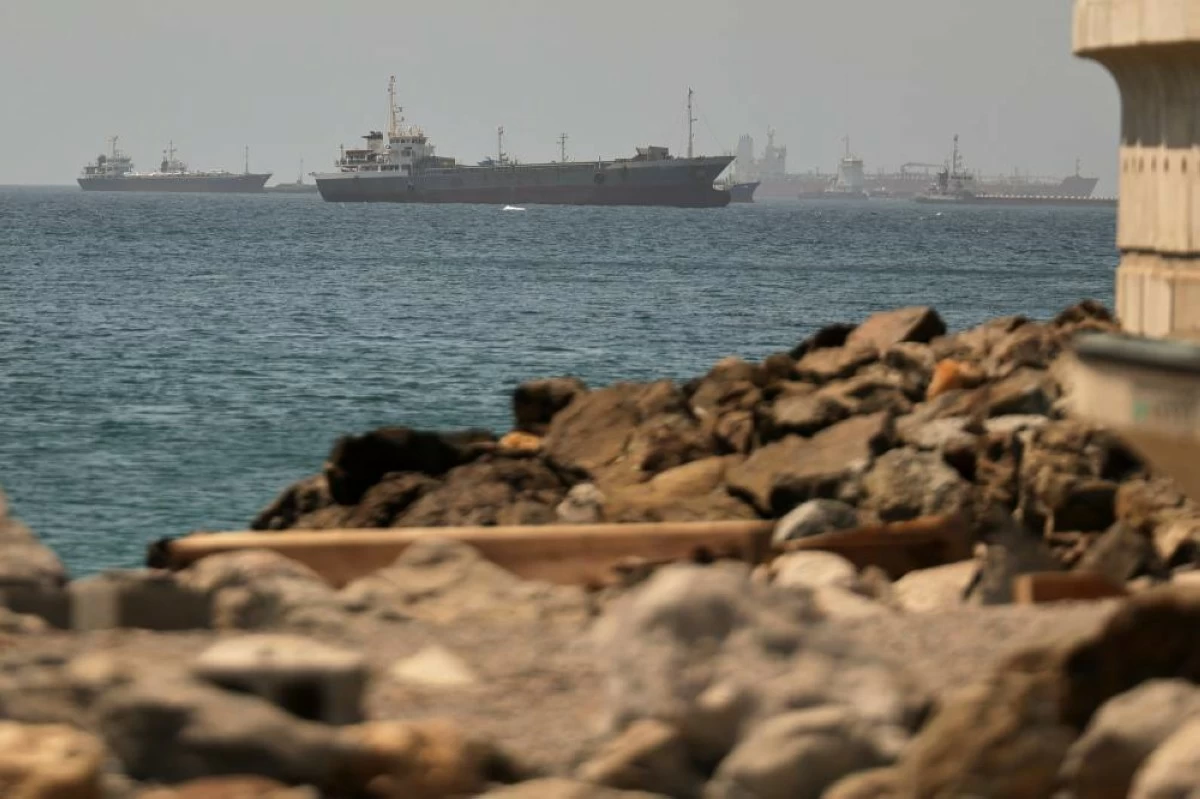
The UN began evacuating 11,000 stranded sailors from the Strait of Hormuz — a major international intervention after months of the waterway sitting idle following the February 28 war start. Al Jazeera: “Following the start of the US-Israel war on Iran on February 28, Tehran had effectively closed off the vital waterway.” NYT: “The International Maritime Organization, working with multiple countries, said it has ensured that vessels can sail safely through the Strait of Hormuz after months of being idled.” CNBC: “More than 11,000 seafarers stuck in the Persian Gulf will begin to exit through the Hormuz Strait in a large-scale evacuation plan backed by Iran and the U.S.” The structural read: AM cycle adds the published UN/IMO-evacuation framing that operationalises the Day-2 weaponize-then-charge read into a published evacuation-then-reopen architecture. The published backed by Iran and the U.S. qualifier is the operative bilateral-coordination signal: both sides are publicly cooperating on the named evacuation. For the named 60-day window, the IMO-coordinated corridor is the operative international architecture for the Hormuz transit question.
Oman established a temporary shipping corridor through the Strait of Hormuz — coordinated with the International Maritime Organisation — with no transit fees imposed. Emirates247 (WAM): “Oman has coordinated with the International Maritime Organisation (IMO) to establish a temporary maritime corridor for vessels transiting the Strait of Hormuz.” “The temporary route will be available to all vessels based on navigational coordinates announced by the IMO and the relevant Omani authorities.” “Ensuring freedom of navigation through the strategic waterway without the imposition of transit fees.” The structural read: AM cycle adds the published Omani-channel no-transit-fees framing that directly answers the PM cycle’s Iran-asks-for-transit-fees architectural read. The published consistent with the outcomes of diplomatic efforts and understandings reached between the United States and Iran qualifier is the operative bilateral-confirmation signal: the Oman corridor is the named GCC-facing published architecture for the post-deal Hormuz transit model.
Secretary of State Marco Rubio — visiting the UAE on the first leg of his three-day Gulf trip — said “no country” can charge for Hormuz traffic, dismissing Iran’s talk of transit fees as prohibited under international law. NYT: “The secretary of state dismissed Iran’s talk of charging ships to pass through the vital Persian Gulf portal as prohibited under international law.” Al Jazeera: “Rubio begins Gulf visit in the UAE to advance US-Iran peace deal.” The structural read: AM cycle adds the published US-Cabinet-channel no-transit-fees posture landing inside the UAE on Day 2 of the deal. Rubio’s prohibited-under-international-law framing is the operative US-side counter to the PM cycle’s transit-fee Iranian-side architectural read. For the UAE — hosting Rubio on Day 2 of the deal — the published no-transit-fees US posture is a UAE-facing published policy line.
Iran’s President Masoud Pezeshkian arrived in Pakistan for peace talks — the first published Iranian-head-of-state overseas visit since the war began. Al Jazeera: “Iran’s president arrives in Pakistan for peace talks.” The structural read: AM cycle hardens the PM cycle’s landed-in-Pakistan framing into a published first-overseas-head-of-state-trip-since-the-war-began framing. The Pakistani co-mediator channel is now carrying the Iranian presidential-track alongside the published US-Cabinet-level UAE track. The parallel-architecture is now running on both sides of the bilateral — Iranian presidential plane to Islamabad, US Secretary of State plane to Abu Dhabi.
Trump allies publicly reassured Israelis amid published tensions on the US-Iran deal — signalling domestic US political pressure on the negotiating architecture. Al Jazeera: “Trump allies reassure Israelis amid tensions on US-Iran deal.” The structural read: AM cycle adds a published US-domestic-political reassurance channel that sits inside the Day-2 first-Senate-war-powers-resolution institutional signal. The published amid-tensions qualifier is the operative political-coordination signal: the White House is now publicly managing both the Israeli-side audience and the Senate-side audience in parallel.
The UN independent commission published a finding that Israel committed genocide by deliberately targeting Palestinian children in Gaza — a published UN-level finding that lands inside the US-Iran negotiating window. Al Jazeera: “UN: Israel committed genocide by targeting Gaza children.” UN News: “Israel continues to commit genocide, atrocity crimes by deliberately targeting Palestinian children, UN independent commission finds.” NYT: “U.N. Report Says Israeli Killings of Gaza Children Post-Truce Amount to Genocide.” The structural read: AM cycle adds a published UN-commission-of-inquiry finding that operates on a parallel track to the US-Iran deal. The published post-truce qualifier is the operative temporal signal: the named killings occurred after the Gaza ceasefire, which complicates both the published Lebanese-truce track and the published US-Iran deal architecture.
The Iran war’s persistent threat to farmers in poor countries — fertiliser, food and fuel prices remain elevated even as the Strait reopens, signalling the deal’s structural economic damage is not quickly reversible. NYT: “A reopening of the Strait of Hormuz would do little to swiftly ease the pain inflicted by higher prices for fertilizer, food and fuel in Ivory Coast.” The structural read: AM cycle adds a published structural-economic-damage read that lands alongside the published sanctions-waiver-economic-lifeline framing. The NYT would-do-little-to-swiftly-ease framing is the operative published analytical signal that the named near-term operating window is a published Hormuz-reopening window, not a published food-and-fertiliser-price-relief window.
UAE / Gulf angle
The Oman-coordinated temporary shipping corridor through Hormuz — with the published no-transit-fees qualifier — lands directly on the UAE-facing operating window as the named GCC-facing published architecture for the post-deal Hormuz transit model. For the UAE — with Fujairah as the named Strait-bypass terminal, the Habshan-Fujairah pipeline as the published UAE Hormuz-bypass, and direct operating interest in freedom of navigation — the published without the imposition of transit fees framing is a UAE-facing architectural-signal that the post-deal operating model is open and free under Omani-IMO coordination, not open and Iran-charges. The UAE-facing question is whether the published Omani corridor extends to UAE-flagged shipping and to Fujairah-bypass operators as the published architecture matures through the 60-day window.
Rubio’s no-country-can-charge-for-Hormuz-traffic framing — delivered on the first leg of his UAE-Kuwait-Bahrain trip — is a UAE-facing published US-side policy line that directly answers the PM cycle’s Iran-asks-for-transit-fees architectural read. For the UAE — hosting the named US Secretary of State on Day 2 of the deal — the published prohibited-under-international-law framing is a UAE-facing diplomatic-channel signal. The published no-country phrasing is the operative US-side scope signal: the no-transit-fees position is a published universal position, not a published UAE-specific concession. The UAE’s published role in the corridor architecture — as the named GCC-facing implementation-track host — is now reinforced by the published US-Cabinet-level visit.
The IMO-coordinated evacuation of 11,000 stranded sailors from the Persian Gulf — backed by Iran and the U.S. — puts the UAE-flagged shipping lane inside a published international-corridor architecture for the first time since the February 28 closure. For the UAE — with the east-coast port complex (Jebel Ali, Fujairah, RAK) and the named US-UAE partnership — the AM-cycle signal is that the published evacuation plan is the operative international-coordination architecture for the Hormuz reopening. The published multiple countries working-with-IMO qualifier is the operative international-architecture signal: the published evacuation is a published multilateral-architecture event, not a published bilateral US-Iran event.
The first US Senate vote to pass an Iran war powers resolution — coupled with Trump-allies-reassuring-Israelis — puts the UAE-facing regional-architecture question inside a published US-domestic-political contestation frame. For the UAE — with its published GCC-facing interest in regional stability and freedom of navigation — the published Senate vote is a UAE-facing US-domestic-institutional signal that the published war-powers authority is being reasserted through published legislative-branch action. The UAE-facing question is whether the published veto-bound resolution still operates as a published US-domestic-institutional constraint on the published deal architecture.
The UN-commission finding on Gaza children puts the UAE-facing humanitarian-track question inside a published UN-level post-truce genocide framing. For the UAE — with its published GCC-facing humanitarian-aid commitments and regional-stability posture — the published UN-commission finding is a UAE-facing humanitarian-track signal that lands inside the US-Iran negotiating window. The UAE-facing question is whether the published UN-finding complicates the published bilateral-track architecture.
The Iran war’s persistent threat to farmers in poor countries — with fertiliser, food and fuel prices not easily reversed by a Hormuz reopening — puts the UAE-facing import-substitution and food-security question inside a published structural-damage framing. For the UAE — with its published food-import-dependence and published regional-food-security positioning — the NYT would-do-little-to-swiftly-ease framing is a UAE-facing structural-economic-damage signal. The UAE-facing operating window for the named 60-day US-Iran window is a published Hormuz-reopening window — not a published regional-food-price-relief window.
What changed since the previous update (2026-06-23 ~14:30 UTC / Day 116 PM)
- NEW: The US Senate passed an Iran war powers resolution — the first such measure to clear both chambers — handing Trump a rare congressional rebuke. The PM cycle had no published Senate-war-powers-resolution signal; AM cycle adds the published first-bicameral-passage as the operative US-domestic-institutional fact.
- NEW: Trump publicly claimed Iran agreed to “highest level” inspections — Iranian government publicly countered “no detailed discussions on the nuclear issue.” The PM cycle had the published highest-level-vs-no-detailed-discussions dispute at the unnamed-official level; AM cycle hardens into a published direct-US-president-vs-Iranian-government contradiction.
- NEW: The UN began evacuating 11,000 stranded sailors from the Strait of Hormuz — backed by Iran and the U.S. via the IMO. The PM cycle had the published weaponize-then-charge architectural read; AM cycle adds the published evacuation-then-reopen international-architecture as the operative bilateral-coordination event.
- NEW: Oman established a temporary shipping corridor through Hormuz — coordinated with the IMO — with no-transit-fees imposed. The PM cycle had no published Omani-corridor signal; AM cycle adds the published GCC-facing no-transit-fees architecture as the named Oman-channel counterpart to the Iran-channel transit-fees demand.
- NEW: Rubio — visiting the UAE on the first leg of his Gulf trip — said no country can charge for Hormuz traffic, calling Iran’s transit-fee talk prohibited under international law. The PM cycle had no published US-Cabinet-level no-transit-fees policy line; AM cycle adds Rubio’s published prohibited-under-international-law framing on UAE soil on Day 2.
- NEW: Iran’s President Pezeshkian arrived in Pakistan — first Iranian head-of-state overseas trip since the war began. The PM cycle had the landed-in-Pakistan framing; AM cycle hardens into the published first-overseas-head-of-state-trip-since-the-war-began framing.
- NEW: Trump allies publicly reassured Israelis amid published tensions on the US-Iran deal. The PM cycle had no published Trump-allies-reassuring-Israelis signal; AM cycle adds the published US-domestic-political reassurance channel.
- NEW: The UN independent commission published a finding that Israel committed genocide by deliberately targeting Palestinian children in Gaza — a published UN-level post-truce finding. The PM cycle had no published UN-commission-of-inquiry genocide finding; AM cycle adds the published UN-level post-truce framing.
- NEW: NYT publishes the Iran war’s persistent threat to farmers in poor countries — reopening Hormuz would do little to swiftly ease fertiliser, food and fuel prices. The PM cycle had the published sweeping-rollback-economic-lifeline framing; AM cycle adds the NYT-published would-not-quickly-relief structural-damage counter-read.
Latest headlines


