Iran Conflict — 2026-06-27 (AM)


Current status
The US struck Iran overnight in retaliation for an Iranian drone attack on the commercial vessel Ever Lovely in the Strait of Hormuz — the named US-strikes-Iran-over-Hormuz-vessel-attack-during-60-day-ceasefire signal. Al Jazeera: “US Central Command forces conduct strikes against Iran in ‘response’ to attack on commercial ship, Ever Lovely.” CNBC frames the same strikes as happening “as the United States and Iran are supposed to be engaging in a 60-period of no hostilities as they hold talks to end their war.” Hardens the PM cycle’s US-preparing-military-options-if-talks-fail and the NOON cycle’s Iran-attributed-vessel-attack-during-framework signals into a published kinetic-response-during-60-day-window framing — the ceasefire text is still on the clock, but the US is no longer observing it.
President Trump publicly justified the strikes, calling the Iranian attack “foolish” and warning “you’ll find out” whether there will be consequences beyond the initial retaliation. CNBC: “Trump says Iran violated ceasefire: ‘You’ll find out’ if there will be consequences.” Al Jazeera carries the parallel “Trump justifies strikes on Iran amid ceasefire” line. Hardens yesterday’s Trump-publicly-blames-Iran signal into a published US-publicly-frames-strike-as-defensive-retaliation posture, with the “you’ll find out” tail signaling that the current strike package may be only the opening move.
The IRGC publicly claimed it targeted US military assets in the region after the US attack on Iran — the first Iranian-state public attribution of a retaliatory strike in this ceasefire cycle. Al Jazeera live blog: “Iran’s IRGC says it targeted US military in region after Trump administration launched attack on the country.” Hardens yesterday’s IRGC-Navy-contact-required framing into a published IRGC-publicly-claims-US-targeting-after-strikes retaliation signal.
The IMO paused the seafarer evacuation operation out of the Strait of Hormuz after the Ever Lovely strike — the named IMO-pauses-Hormuz-evacuation-after-attack signal. UN News: “The UN’s maritime agency said on Friday that it had successfully evacuated about 2,500 stranded seafarers from the Persian Gulf before suspending the operation, after an attack on a commercial vessel exposed uncertainty over who can guarantee safe passage through the Strait of Hormuz.” Al Jazeera’s companion piece: “Why has the UN paused plans to evacuate sailors from the Strait of Hormuz? A cargo vessel had been struck by a projectile near Oman, as Iran says all ships must pass with its permission.” Hardens yesterday’s IMO-pauses-Hormuz-evacuation signal into a published 2,500-evacuated-then-operation-frozen-after-attack framing — the international maritime-coordination channel is now explicitly degraded.
Israel and Lebanon signed a US-brokered framework agreement in Washington after several days of direct negotiations — the named Israel-Lebanon-framework-deal-signed-in-Washington signal. Emirates247 (WAM): “Washington: Lebanon and Israel signed a US-brokered framework agreement today following several days of negotiations in Washington.” Al Jazeera: “What is the framework agreement signed by Israel and Lebanon?” US Secretary of State Marco Rubio on record: “There’s a lot of work ahead. We don’t in any way underestimate the difficulty of the task ahead, but we understand the importance of it.” Hardens the PM cycle’s Israel-Lebanon-framework-near-completion signal into a published signed-framework-deal-not-yet-text framing. The second front now has a paper anchor even as the first front is in kinetic response.
Hezbollah publicly rejected the Israel-Lebanon framework deal, with chief Naim Qassem demanding unconditional Israeli withdrawal from Lebanon and accepting “no normalisation” and “no gains for Israel”. Al Jazeera: “Hezbollah will not support Israel-Lebanon framework deal” / “Hezbollah chief Naim Qassem accepts ’no normalisation’ and ’no gains for Israel’.” Hardens the PM cycle’s Hezbollah-rejects-deal signal into a published Hezbollah-publicly-opposes-signed-framework counter-signal — the deal is signed but the dominant Lebanese non-state actor is on record against it, leaving implementation the operative question.
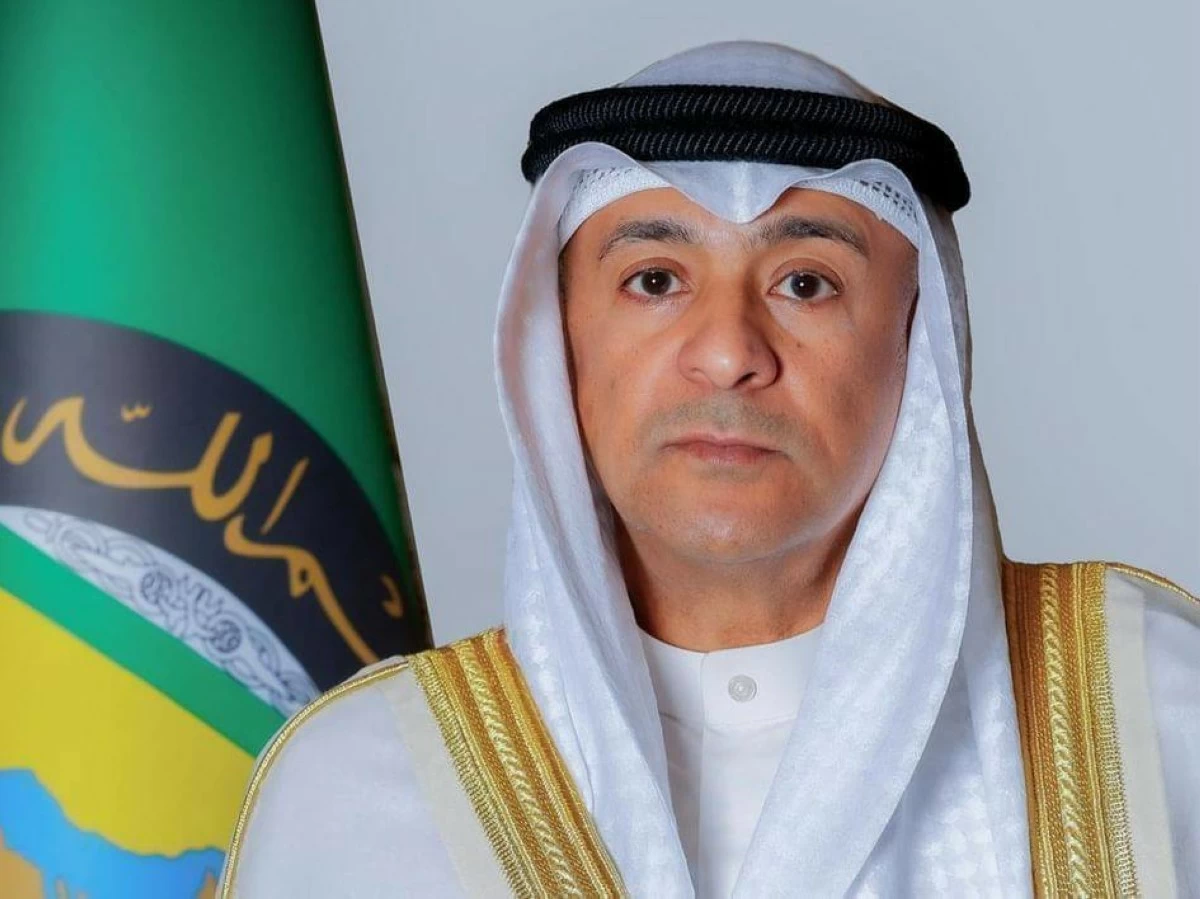
Oman, in coordination with the IMO, announced a temporary maritime corridor through the Strait of Hormuz to evacuate more than 11,000 stranded seafarers, and the GCC publicly welcomed the initiative. Emirates247 (WAM): “Jasem Mohamed Albudaiwi, Secretary General of the Gulf Cooperation Council (GCC), welcomed the announcement by the Sultanate of Oman, in coordination with the International Maritime Organisation (IMO), to launch a plan to evacuate more than 11,000 stranded seafarers by providing the option of using a temporary maritime corridor for vessels. This initiative is in accordance with international law and the Law of the Sea, thereby enhancing the freedom of navigation in the Strait of Hormuz completely freely, without restrictions or conditions.” Hardens yesterday’s Oman-launches-Hormuz-corridor-for-seafarers signal into a published GCC-endorsed-corridor-with-IMO-coordination framing — the GCC has formally picked a side on the freedom-of-navigation question.
UAE / Gulf angle
- The GCC’s formal endorsement of the Omani corridor is the most concrete UAE-on-the-record position in this cycle. Albudaiwi’s statement was issued from Riyadh, but it is the collective GCC line — and the UAE is a GCC member — that frames the corridor as compliant with “international law and the Law of the Sea” and “freedom of navigation in the Strait of Hormuz completely freely, without restrictions or conditions.” That phrasing is a direct counter to Iran’s Hormuz-traffic-control-claim-after-attack signal from yesterday — i.e. the UAE, through the GCC platform, is publicly backing the international-law baseline against Iran’s published authority claim.
- Oman, not the UAE, is the named operational lead on the corridor — but the corridor runs through waters the UAE’s tankers transit daily, and the IMO-coordinated seafarer evacuation is a near-term operational relief for the UAE’s Hormuz-exposed shipping posture.
- Yesterday’s UAE-FM-Araghchi call thread remains operative — the UAE’s diplomatic channel with Tehran is now publicly naming the Strait of Hormuz as a sovereignty-and-freedom-of-navigation question, the same framing the GCC just endorsed.
- The Hormuz-bypass pipeline (~50% complete per yesterday’s cycle) is implicitly more valuable today: with the US striking Iran over a Hormuz vessel attack during the 60-day ceasefire window, the UAE’s hedge against Hormuz disruption has shifted from “optional redundancy” to “the only uninterruptible export route.”
Latest headlines
What changed since the previous update (2026-06-26 ~14:32 UTC)
- The ceasefire is no longer holding in practice. Yesterday’s PM cycle was “talks nominally alive, US ‘preparing military options’ if they fail, Iran asserting Hormuz authority the day after a vessel strike.” Today’s AM cycle is the US having executed the military option during the 60-day ceasefire window, with Trump’s “you’ll find out” leaving the door open for follow-on strikes. The text of the framework survives on paper; the operational pause does not.
- Iran has now retaliated publicly. Yesterday’s pattern was Iranian asymmetric pressure (vessel attack, Hormuz-authority claim) with no public Iranian attribution. Today’s AM cycle has the IRGC publicly claiming it targeted US military assets after the US strike — the first Iranian-state public retaliation claim in this ceasefire cycle. The “who moved first” frame the US is using (“Iran violated ceasefire, we responded”) is now contradicted by an Iranian-state “we responded to you” claim.
- The Hormuz evacuation channel is broken. The IMO successfully evacuated 2,500 seafarers before pausing the operation after the Ever Lovely strike — the international maritime-coordination channel that was the operative piece of relief for the GCC shipping posture is now explicitly degraded. Oman’s corridor announcement is the live replacement channel.
- Israel-Lebanon track has crossed from “near completion” to “signed framework deal.” Yesterday was Rubio saying a framework was at hand; today is the deal signed in Washington. Hezbollah is publicly on the record against it, which means implementation — not signature — is the operative variable going forward.
- The GCC has formally taken a side. Yesterday’s cycle was a US-GCC joint statement Iran rejected. Today’s cycle is the GCC publicly endorsing the Omani Hormuz corridor under international-law and freedom-of-navigation framing — a direct collective-GCC counter to Iran’s published Hormuz-traffic-control-claim. The UAE is on that platform by virtue of GCC membership.
- The UAE’s Hormuz-bypass pipeline just became the uninterruptible export route. With the US striking Iran over a Hormuz vessel attack mid-ceasefire, and the IMO evacuation channel paused, the UAE’s ~50%-complete bypass pipeline is the only uninterruptible Gulf export path the math supports.