
Tech News Roundup — June 16, 2026 (PM)
Microsoft ships a fresh Surface generation on Snapdragon X2 silicon — and finally bundles the keyboard. SpaceX drops $60B on Cursor days after its IPO. KDE Plasma 6.7 and the Linux 7.2 kernel both ship with sweeping subsystem updates. Threads crosses the 500M MAU line, EU regulators open a new front against Tesla’s FSD data practices, and Apple’s HomeKit Secure Video gets an Apple Intelligence pass. Below: the thematic rundown.
Microsoft
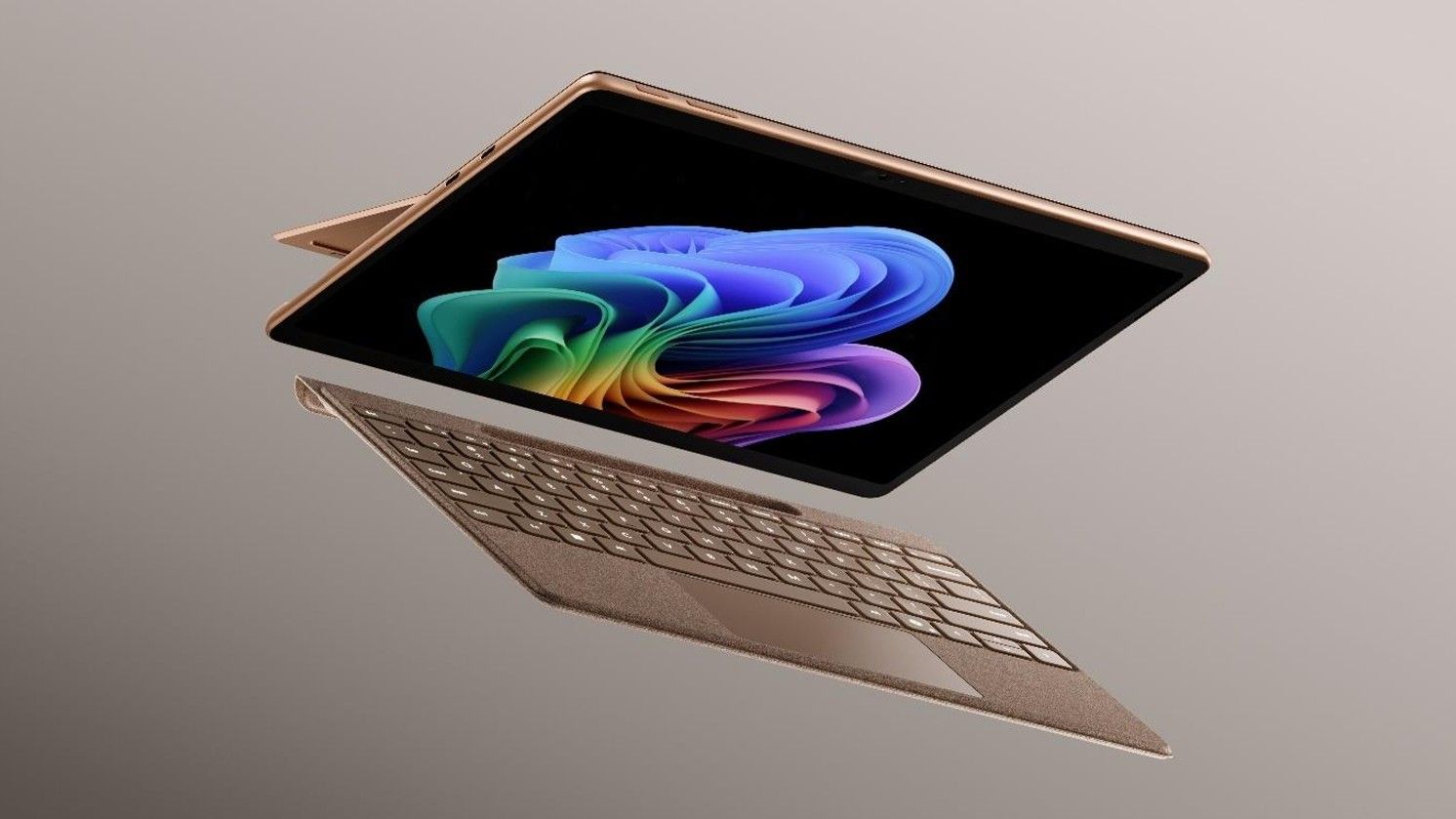
Surface Pro 12 and Surface Laptop 8 land on Snapdragon X2. Microsoft’s new Surface Pro 12 and Surface Laptop 8 ship with the Snapdragon X2 generation, with Microsoft promising better performance, longer battery life, and — predictably — higher price tags to match. The kicker: Microsoft is finally bundling a keyboard with the Surface Pro 12, but only for orders placed before June 30, a “limited time” promotion that walks back years of customer complaints. [Windows Central] [Windows Central] [The Verge]
Investors accuse Microsoft of inflating Copilot’s success. Shareholders are alleging that Microsoft masked cloud growth concerns by overstating Copilot adoption and the value of its OpenAI partnership, even as Azure growth stumbled through the period. The complaint lands at a sensitive moment — Microsoft is investing tens of billions in AI infrastructure and is now under scrutiny for the narrative it has been selling around Copilot’s enterprise traction. [Windows Central]
AI / ML
SpaceX officially buys Cursor for $60 billion. Days after its headline-grabbing IPO, SpaceX says it is spending $60 billion to acquire Cursor, the AI coding assistant — a bet designed to fold coding-agent capability into Elon Musk’s rocket/AI/social media stack and chase lucrative enterprise customers. The deal is one of the largest AI acquisitions of the cycle and signals that the post-IPO cash is going straight into AI consolidation. [The Verge]
Inside the fight over Claude Mythos 5. As the rest of the country celebrated the USA’s first World Cup win and the New York Knicks championship, Anthropic spent its weekend fighting the Trump administration over its latest model release. The piece reconstructs the political and corporate maneuvering that shaped the rollout of Claude Mythos 5, including the internal arguments and external pressure campaigns that surrounded the launch window. [The Verge]
Apple
Apple’s smart home camera service is starting to impress. HomeKit Secure Video is getting a meaningful pass — new features are rolling out to cameras in the ecosystem, and the writer finds the Apple Intelligence integration genuinely useful in daily use rather than the usual demo-ware. The smart-home pivot continues, with Apple leaning on privacy-preserving on-device processing as the differentiator. [The Verge]
Apple’s weird anti-nausea dots cured car sickness. A field report on Apple’s Vehicle Motion Cues, the small dot overlay designed to reduce motion sickness when reading or working in a moving car. After a few minutes of staring at a screen on quick mountain switchbacks, the cold nausea was averted — a surprisingly effective feature for an opt-in accessibility toggle that most users probably forgot existed. [The Verge]
iOS 27 cleans up the Messages app. Apple concentrated heavily on iOS 27 performance, and the Messages app in particular gets a round of fixes targeting the three most-cited annoyances: spam management, group chat organisation, and a more sensible attachment surface. The Portuguese-language Pplware piece walks through the specific changes landing in the Messages overhaul. [Pplware]
Linux & Open Source
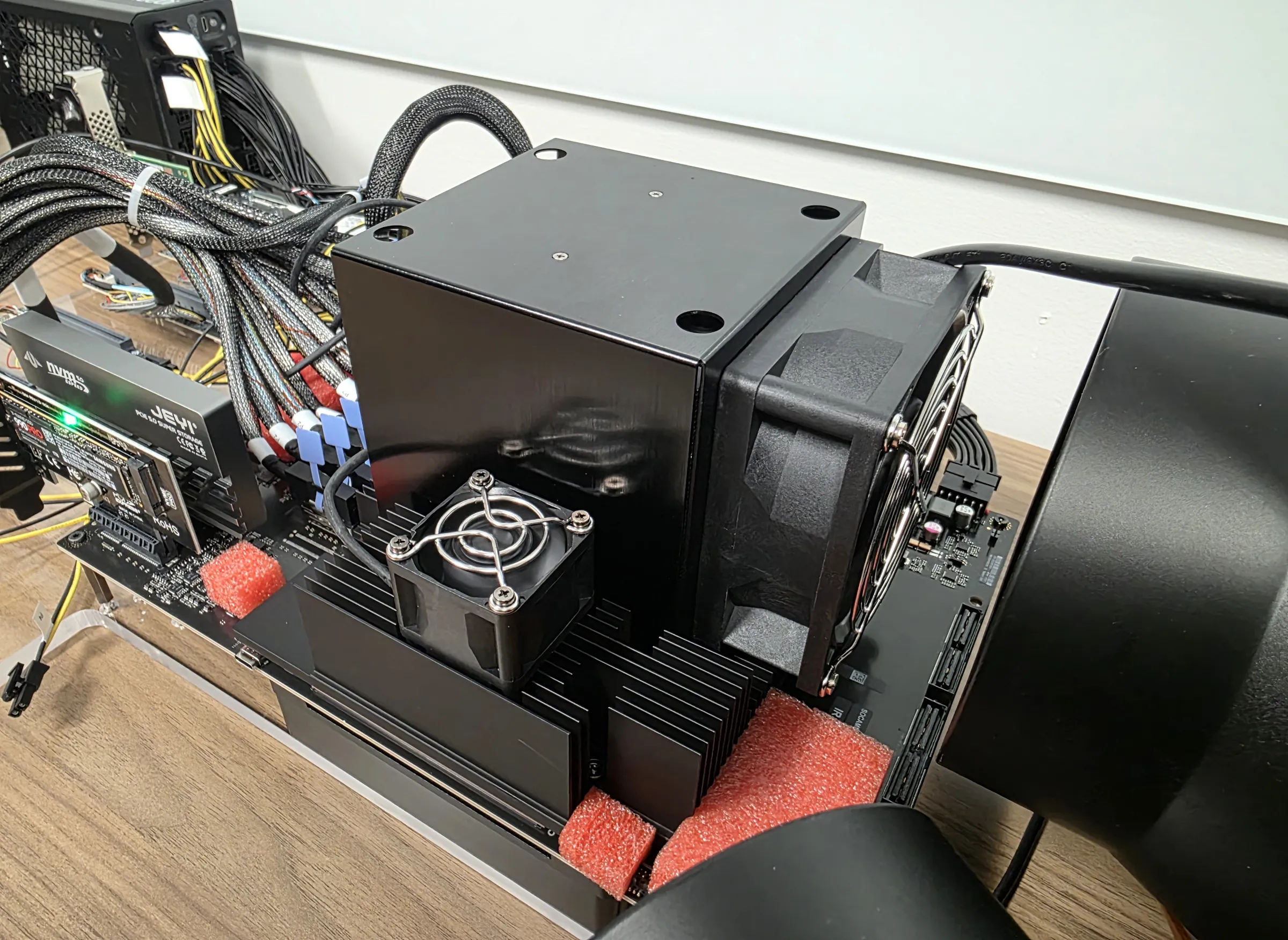
Linux 7.2 lands with sweeping subsystem updates. The kernel cycle continues its age-old pruning: the 40+ year old Hercules monochrome ISA graphics card driver is dropped, i486-era code remnants continue to be removed, and Panther Lake support is being added in the “rugged” hardware variant. The x86/CPU changes alone span 36 years of architecture, a useful snapshot of how the kernel’s legacy surface keeps shrinking while the new silicon keeps landing. [Phoronix] [Phoronix] [Phoronix] [Phoronix]
XFS zone allocator promoted out of experimental. The XFS zone allocator has been promoted from experimental to a stable feature in Linux 7.2, completing a long-running effort to bring zoned-block device support to the FS. [Phoronix]
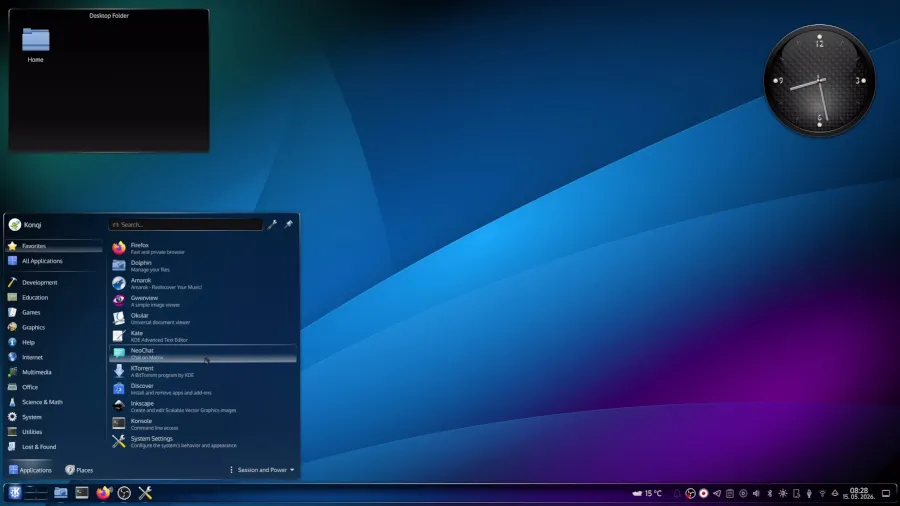
- KDE Plasma 6.7 released. KDE developers cut the ribbon on Plasma 6.7 with per-screen virtual desktops as the headline feature, plus a substantial bundle of Wayland improvements that continue the platform’s steady march toward a Wayland-first default. The release notes are dense with compositor and scaling fixes that long-time KDE users have been waiting for. [Phoronix]
Hardware
Lenovo’s next tablet has a thick speaker bump and an upgraded kickstand. The Tab Plus Gen 2 leans into its chonky speaker-bump identity, contributing to “upgraded sound” while preserving the thick-bezel tablet form factor. The kickstand also sees a refinement. [The Verge]
Schlage’s UWB smart lock finally ships. More than a year after announcement, the Schlage Sense Pro — the first UWB smart lock from a major US lock maker — goes on sale June 29. UWB (ultra wideband) brings precise, direction-aware proximity, which is what makes hands-free auto-unlock actually usable at the front door. [The Verge]
Kodak’s Charmera gets new Y2K designs. The objectively terrible but cult-favourite Kodak Charmera — a cheap, retro-styled digital camera that mimics the iconic 1987 single-use Kodak — is getting another round of Y2K-inspired designs. The Charmera has stayed popular on vibes alone, and the refresh leans hard into nostalgia-driven collectibility. [The Verge]
Two very different sides of the mechanical keyboard coin. A hands-on with two mechanical keyboards that stop the reviewer dead in their tracks — a look at the high end of the enthusiast market where build quality and typing feel diverge in unexpected ways. The takeaway: even in a crowded mechanical keyboard market, the standout boards are usually about small details, not big specs. [The Verge]
1TB portable SSD at a 31% early-Prime discount. Amazon is offering 31% off the Samsung T7 1TB portable SSD ahead of Prime Day, putting a reliable portable drive in impulse-buy territory for PC and Xbox travellers. The T7’s compact form factor and integrated fingerprint sensor are a useful travel combo. [Windows Central]
Gaming
- Euro Truck Simulator and American Truck Simulator get a Multi-Function Display. SCS Software is planning an MFD patch for Euro Truck Simulator 2 and American Truck Simulator, simplifying the wall of controls on PC and Steam Deck. The new MFD layer should make the games much more accessible to new players without alienating the long-time keyboard-mashing veterans. [Windows Central]
Telecom & Connectivity
Comcast Xfinity adds same-day delivery to get you online immediately. New Xfinity subscribers can now have a router delivered to their doorstep within hours of signing up — a same-day Wi-Fi service that spares customers the multi-day wait for a self-install kit. The move reflects the broadband industry’s broader push toward instant activation. [The Verge]
EU strengthens air passenger rights. The European Parliament and Council closed a new legislative framework strengthening passenger protections in cases of delay, cancellation, or denied boarding. The changes touch compensation thresholds, re-routing rights, and assistance obligations across the EU. [Pplware]
In Brief
- Threads hits 500 million monthly active users. Meta announced the milestone, reached just shy of the platform’s third birthday — a strong ramp from a rocky 2023 launch. [The Verge]
- Windows Central Podcast: a massive week for Windows and Xbox. Daniel and Zac walk through Computex, Build, the new NVIDIA RTX Spark, and the Xbox Showcase + drama. [Windows Central]
- EU regulators accuse Tesla of using fake data to get FSD approved. European regulators have accused Tesla of using fabricated data to win approval for its Full Self-Driving system, opening a new front in the regulatory fight over Tesla’s autonomous driving claims. [Pplware]
- Cybercab documents reveal robotaxi details. The first official Cybercab data arrived via an unexpected channel: American regulatory filings, specifically from the Environmental Protection Agency, shedding light on the robotaxi’s design and specs. [Pplware]
- Commodore is getting into flip phones. After resurrecting the iconic PC brand, Commodore is now branching into flip phones — a retro-styled handset for the nostalgia set. [The Verge]
- Xiaomi beats its own Nürburgring record without a driver this time. Xiaomi’s electric cars set another Nürburgring record — and this time the lap didn’t even need a driver, a meaningful milestone for the company’s autonomous-driving story. [Pplware]
- China unveils a self-driving toilet. A robot toilet called Xiaoban with autonomous navigation, designed for elderly and mobility-impaired users. The internet is, predictably, processing. [Pplware]
- Dominios.pt launches Summer Mega Promo with up to 91% off. The Portuguese domain registrar’s annual summer sale is live, with up to 91% off domain registrations. [Pplware]
- Top 10 most powerful armed forces in 2026 (Global Firepower). Global Firepower published its annual ranking, evaluating 145 nations across 60+ parameters. [Pplware]
Roundup compiled from the TTRSS Tech feed. 31 articles from 4 sources summarised across 9 themes.