Tech News Roundup — June 17, 2026 (PM)
A researcher-disclosed Copilot flaw exposes 2FA codes, Google’s first new smart speaker in six years ships next week, and Linux 7.2 finally lands HDMI 2.1 FRL on AMD. Plus Jackery’s “world’s slimmest” fridge battery, an HP Snapdragon X2 Elite that reviewers are calling the year’s prettiest Windows laptop, and Pplware’s viral story of a Tesla FSD intervening to help a driver mid-heart-attack.
AI & Security
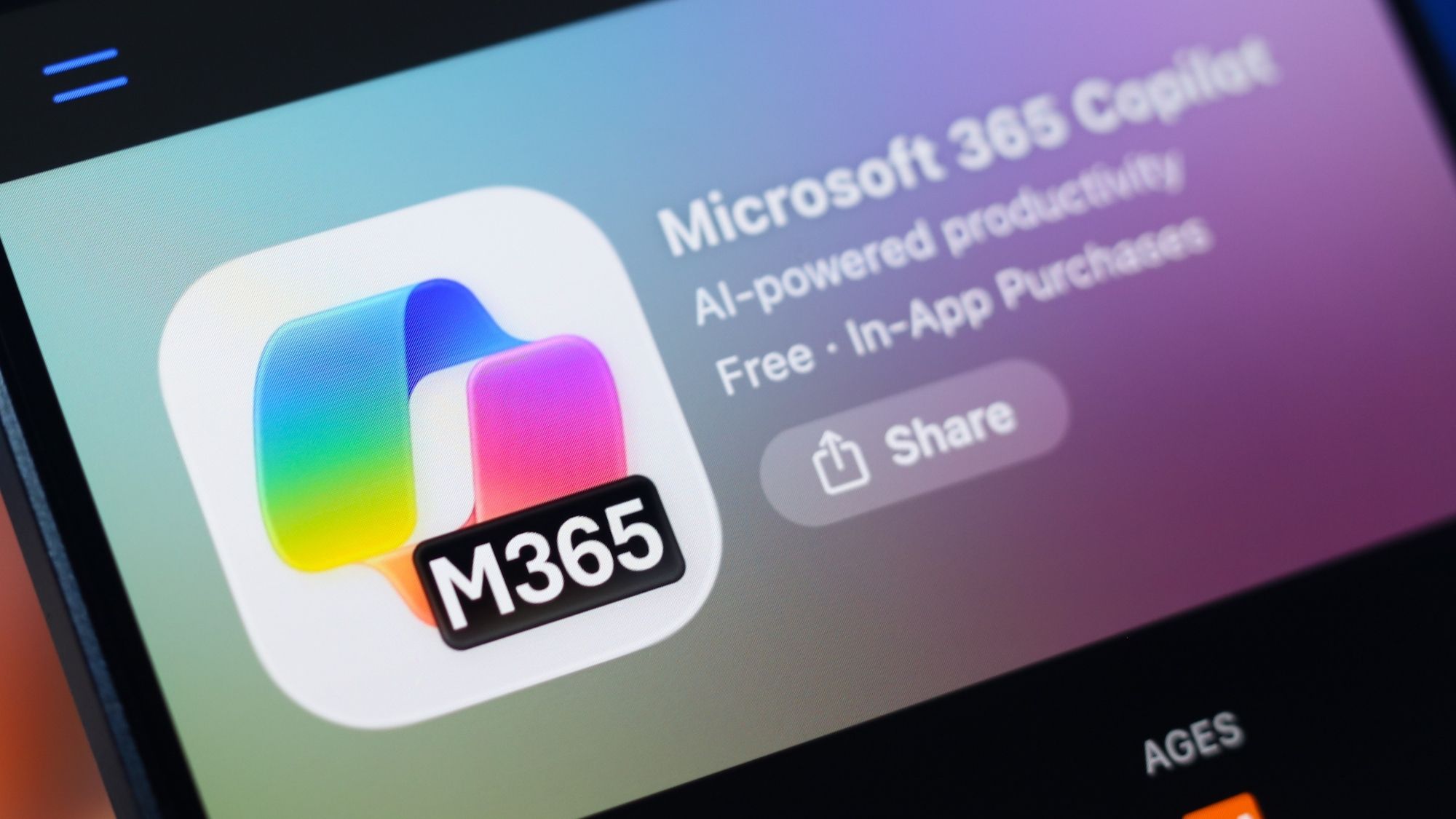
- Microsoft Copilot exploit turns URLs into email-search commands, leaking 2FA codes. Researchers disclosed a “critical” Copilot vulnerability that lets attackers send crafted URLs that the chatbot obediently turns into Microsoft 365 search queries, exfiltrating 2FA codes and sensitive enterprise data via Bing. The flaw is the latest example of LLM prompt-injection making the jump from demo-ware to real enterprise exposure. [Windows Central]
- Genesis AI’s “Eno” humanoid robot doesn’t bother with a head, legs, or human appearance. Backed by former Google CEO Eric Schmidt, the French startup argues that humanoid robots “don’t need to look human” — so its general-purpose Eno robot trades the bipedal form factor for a wheeled base that folds down like a deck chair, designed “around human capability” rather than human appearance. [The Verge]
Google / Android
- Google’s first new smart speaker in six years ships June 29 for $99. The Google Home Speaker opens preorders today, June 17, narrowly missing the spring launch window Google promised last year. Specs and design are unchanged from the September reveal: a squished round form factor, touch-capacitive buttons on top, a light ring at the bottom, and four color options (porcelain, hazel, jade, and one more). It’s the first new Google smart speaker since 2019. [The Verge]
- Android 17 brings Pixel-only parental controls to the entire smartphone ecosystem. Google’s digital-wellness tools — long a Pixel exclusive — are being expanded to the full smartphone and tablet ecosystem, with parental controls arriving on non-Pixel devices for the first time. The Pixel-side June Pixel Drop ships alongside. [Pplware] [Pplware]
Apple
- iPhone 17 won’t get iOS 27’s headline AI features. Apple’s iOS 27 rolled out a substantial set of Apple Intelligence updates, but the iPhone 17’s hardware is reportedly too old to run them — the company is locking the most aggressive on-device AI work to newer silicon. Older Pro and standard models get a quieter feature set, a familiar segmentation pattern. [Pplware]
Microsoft & Xbox
- “Please let your Xbox studios cook.” A Windows Central op-ed argues that studios like Ninja Theory — reported to be on the block at Microsoft — shouldn’t be punished for previous experiments and mismanagement so soon after the Xbox Showcase. The piece is a defense of long-cycle creative work against the revolving-door of corporate reorganizations. [Windows Central]
- Windows 11 still ships with 90s screensavers nobody bothered to remove. A walk-through of Windows 11’s settings turns up the classic Bubbles and Mystify screensavers still intact in the OS. The piece asks whether they deserve a modern comeback — a fun look at the legacy surface Microsoft keeps in the build to avoid breaking compat. [Windows Central]
Linux & Open Source
- Linux 7.2 lands AMD HDMI 2.1 FRL and a coordinated IOmap/IO_uring push. The DRM pull for Linux 7.2 is headlined by long-awaited HDMI 2.1 Fixed Rate Link (FRL) support in the AMDGPU open-source driver — the next step in a full HDMI 2.1 implementation. On the storage side, the IO_uring / NVMe / device-mapper changes for 7.2 include a +5% IOPS improvement for EXT4 and XFS after reworking two lines in the IOmap framework, plus a 444% optimization for the surprisingly frequent
/proc/filesystemsread path. [Phoronix] [Phoronix] - Linux finally drops AppleTalk after 40+ years. Apple itself ended AppleTalk support back in 2009, but the Linux kernel kept the protocol alive — until a recent surge of AI-generated patches targeting the obsolete stack made the maintenance burden untenable. The 7.2 cycle is the cutoff. [Phoronix]
- GCC 17 lands initial C++29 infrastructure. Yesterday’s GCC Git merge lays out
-std=c++29and the supporting infrastructure for the next-next C++ standard — even though the C++29 spec itself isn’t expected until ~2029, the compiler toolchain is starting the work early. [Phoronix] - Qt Creator 20 ships with first-party AI agent support. The Qt/C++ IDE’s new release adds AI agent support to the editor — a notable first for a major open-source C++ toolchain and a sign of how thoroughly AI workflows are being baked into the developer-tools stack. [Phoronix]
- FreeBSD updates its graphics-driver port from Linux 6.12 LTS. The drm-kmod port — FreeBSD’s bridge to the Linux KMS/DRM world — is now tracking the Linux 6.12 LTS kernel, improving the experience of FreeBSD on laptops and desktops. [Phoronix]
Hardware
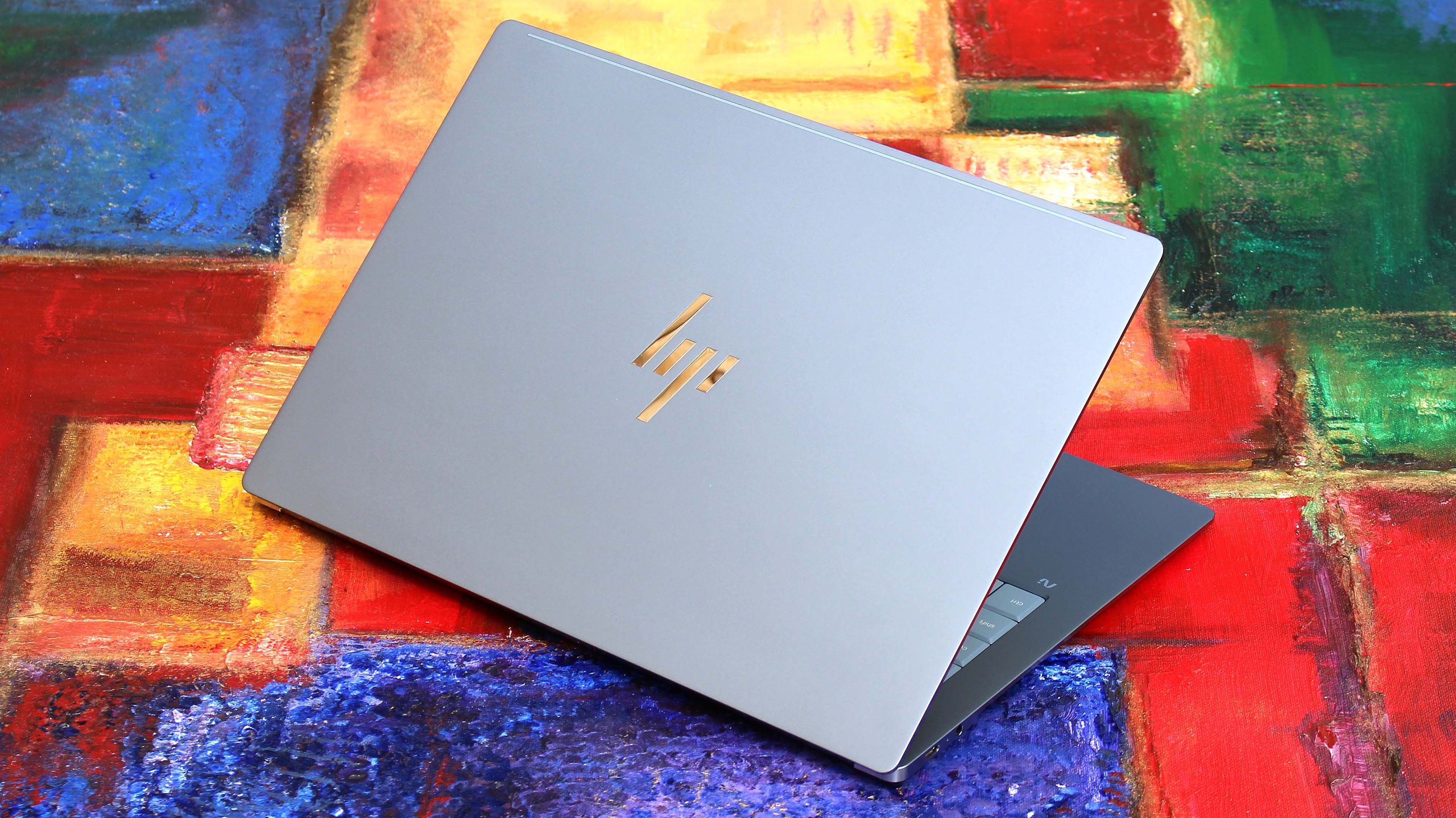
- HP OmniBook Ultra 14 is the prettiest Windows laptop of 2026. HP’s latest pairs the new Qualcomm Snapdragon X2 Elite silicon with a best-in-class OLED display, a phenomenal keyboard and trackpad, and all-day battery life. The reviewer verdict: HP’s best-looking laptop yet, and a strong statement that the ARM-on-Windows story is finally settling in. [Windows Central]
- “It’s STILL a terrible time to buy a Surface.” The new Surface Pro 12 and Surface Laptop 8 land on Snapdragon X2 silicon — but their pricing looks bad even against skyrocketing premium PC prices. The piece puts the blame partly on Microsoft, partly on the broader PC market’s premium creep. [Windows Central]
- A 32-inch 4K OLED goes 35% off ahead of Prime Day. The ASUS ROG Swift OLED 32" — capable of 4K at 240Hz without compromise — is at a limited-time 35% Amazon discount in the run-up to the June Prime Day event. [Windows Central]
Smart Home
- Thread Direct looks to solve Matter’s biggest setup headache. The smart-home networking protocol is adding a new onboarding path that doesn’t require a Thread border router — users will be able to set up Thread-powered devices (smart plugs, locks) using only a phone with a Thread radio. Many iPhones, newer Pixels, and recent Samsung flagships already have the radio needed. [The Verge] [The Verge] [The Verge]
- Jackery unveils the “world’s slimmest” fridge battery. FridgeGuard measures just 2.63 inches (67mm) thick and is designed to be tucked on top of, beside, or behind a refrigerator — automatically switching on with a 10ms UPS handoff during a power outage. The 800W AC output (1600W peak) is modest, but the form factor is the story. [The Verge]
- A backyard made the reviewer a color-changing smart-lighting convert. A field report that admits to years of dismissing color-changing bulbs as gimmicks — until a Govee outdoor setup turned a backyard into something genuinely delightful. Tunable-white is the previous default; vivid color is finding a real use case outdoors. [The Verge]
- GuliKit’s mobile Switch 2 dock plays with or without a TV. The new version of GuliKit’s TV Docking Station supports the Switch 2 alongside the original Switch and OLED model, with a magnetic dust cover that flips to become a kickstand. Available today for $29.99 — much smaller and cheaper than Nintendo’s official dock. [The Verge]
LinkedIn / Adobe / Verification
- LinkedIn will tell others how you really use Adobe’s apps. A new “connected apps” feature launches today letting users link supported apps to their LinkedIn profile, with each app providing “a simple, specific description of how you actually use it.” 19 apps are available at launch, with more coming — building on the January 2026 collaborations that allowed skill verification. [The Verge]
Gaming
- “Final Fantasy meets Zelda? Yes, please.” A review of The Adventures of Elliot: The Millennium Tales — a Square Enix RPG that mixes classic Zelda structure with Final Fantasy storytelling. Indie devs keep refreshing the Zelda formula (Soulslike fusions, cozy takes, smaller-scale adventures); this one is a more traditional twist from a major studio. [The Verge]
Telecom & EVs
- Global EV market hits 1.8 million units, with Europe leading growth. The latest figures confirm the EV transition is accelerating, with Europe leading the growth curve. The piece walks through the regional split and what it implies for charging infrastructure and pricing. [Pplware]
- Oil prices recede — fuel relief at the pump incoming. Crude oil is falling consistently, with markets pricing in a return to pre-conflict energy normalcy as a US-brokered deal to end the war approaches. The piece walks through what that means for European fuel prices. [Pplware]
- A “smart highway” alternative to road widening. Rather than adding lanes, a new sensor + software system regulates vehicle flow in real time to ease traffic. The concept, originally piloted on US roads, is being studied for European deployment. [Pplware]
In Brief
- Tesla FSD intervenes to help a driver mid-heart-attack. A Tesla-released video shows Full Self-Driving supporting a driver who suffered a heart attack behind the wheel — keeping the car on the road long enough for emergency services to arrive. The story has gone viral as a counterpoint to the more skeptical FSD coverage. [Pplware]
- Police officers are using AI road cameras to stalk ex-partners. More than a dozen officers in Portugal have been arrested, fired, or are under investigation for allegedly using automatic number-plate recognition cameras to surveil former partners. The case has become a touchstone for ANPR oversight debates across Europe. [Pplware]
- WhatsApp Web now supports group audio and video calls. Months after introducing one-to-one calls, WhatsApp Web is rolling out group audio and video — closing a long-standing feature gap with the mobile app. [Pplware]
- Ferrari’s “secret” to keeping the Luce valuable forever. Ferrari is sharing engineering details on its electric SUV to convince buyers that battery degradation won’t tank residual values. The pitch: software-managed battery health, swappable modules, and a longer service horizon than industry norms. [Pplware]
- Summer gadgets worth every cent. A Pplware roundup of the smart-home and cooling gear that pays for itself through summer — fans, AC controllers, smart blinds, and pool-monitoring sensors that hold up to the heat. [Pplware]
Roundup compiled from the TTRSS Tech feed. 33 articles from 4 sources (Pplware, The Verge, Windows Central, Phoronix) summarized into 29 stories.