
Tech News Roundup — June 27, 2026 (PM)
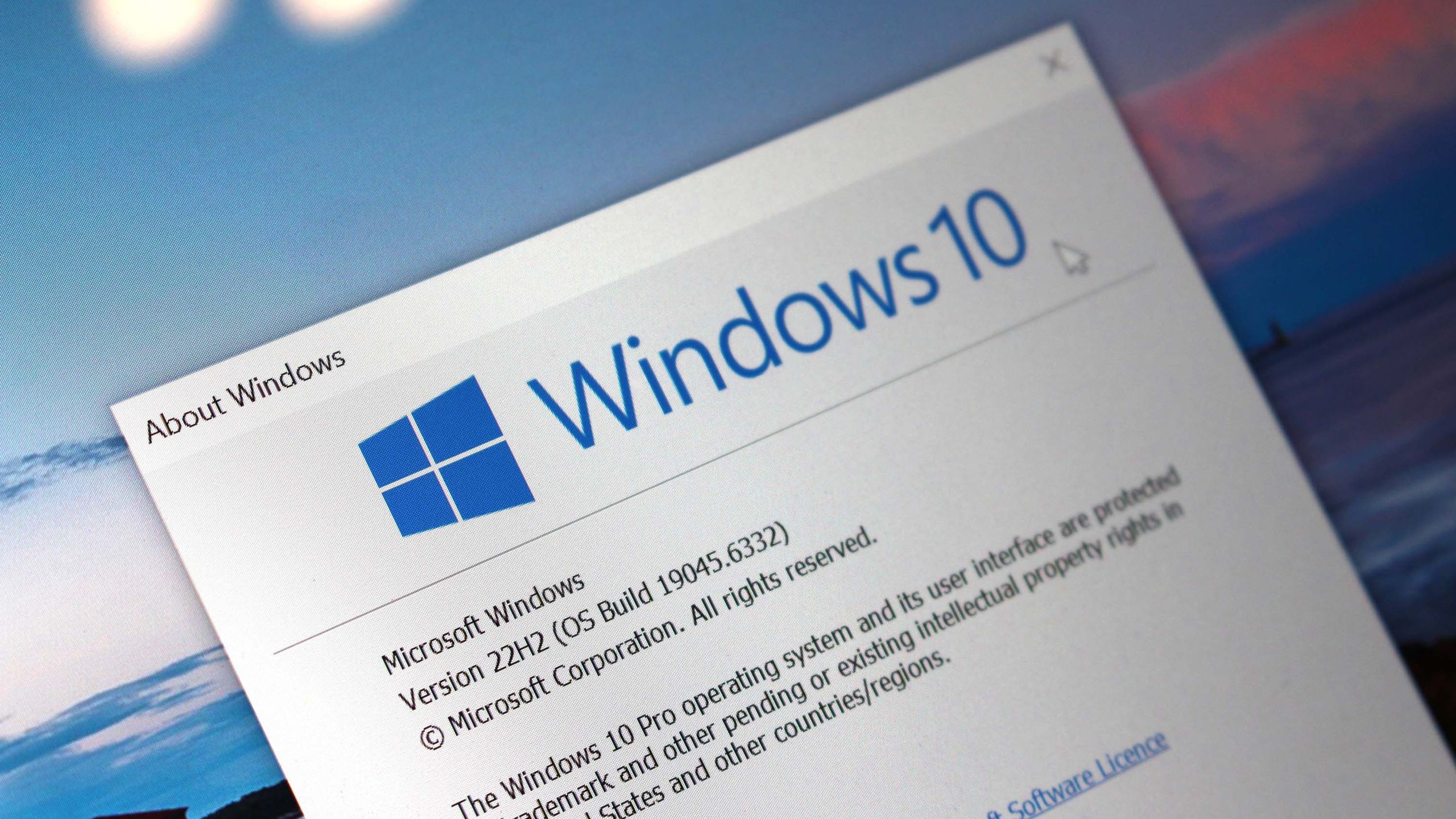
The afternoon feed leans heavily into platform and OS news: Microsoft has caved to public pressure and is extending free Windows 10 security updates through October 2027, while the memory squeeze that pushed DDR5 kits from $90 to $400 in twelve months shows no clear near-term relief. On the consumer-internet side, Portugal’s national rail operator CP is trialling Starlink on its Alfa Pendular fleet to fix the notoriously patchy onboard Wi-Fi, and a peer-reviewed study finds that AI chatbots repeat Russian Pravda-network disinformation in roughly half of test queries — with the failure rate worse in less-resourced languages. Smart-home watchers convened this week in a “Matter is still alive” moment, four years after the standard’s Amsterdam launch, to ask whether the interoperability promise is paying off. Separately, Tesla’s Model Y and Model 3 are back at the top of European EV registrations after months of decline, a French investigation is probing Vinted listings allegedly tied to child-trafficking signals, and Phoronix tracks a string of small but useful Linux desktop improvements.
Microsoft
- Microsoft extends free Windows 10 support through October 2027. Critics are reading Microsoft’s free Windows 10 extension through October 2027 — issued after years of public pressure and the looming reality of nearly 400 million PCs losing security updates — as a tacit admission that Windows 11 hasn’t landed well enough with mainstream users five years on. The free reprieve is being framed both as a relief for households that can’t or won’t move to Windows 11 and as a quiet acknowledgement that the upgrade push has stalled. Windows Central
Hardware
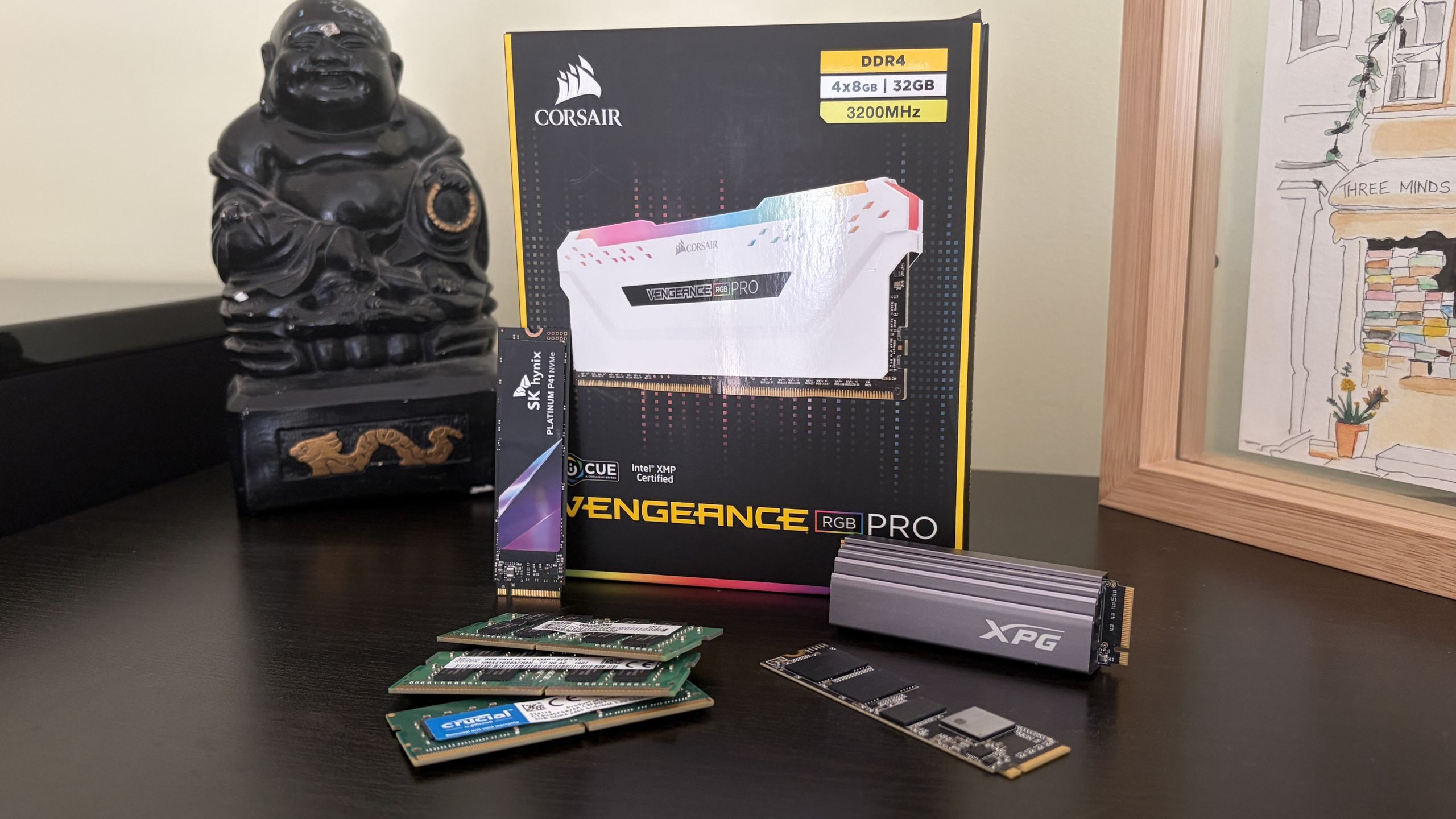
- The RAM crisis is getting worse, and price relief isn’t on the near horizon. The 2 TB NVMe SSD you bought a year ago is now three times the price; the 32 GB DDR5 kit that was $90 last summer is $300–$500 today, if you can find it at all. The squeeze is being driven by AI-data-centre demand for HBM and high-density DRAM pulling capacity away from the consumer market, and Windows Central’s deep-dive argues that even when wafer capacity catches up, the savings won’t pass through to buyers at the rate consumers expect — supplier consolidation means tighter margins regardless of unit cost. Windows Central
Linux & Open Source
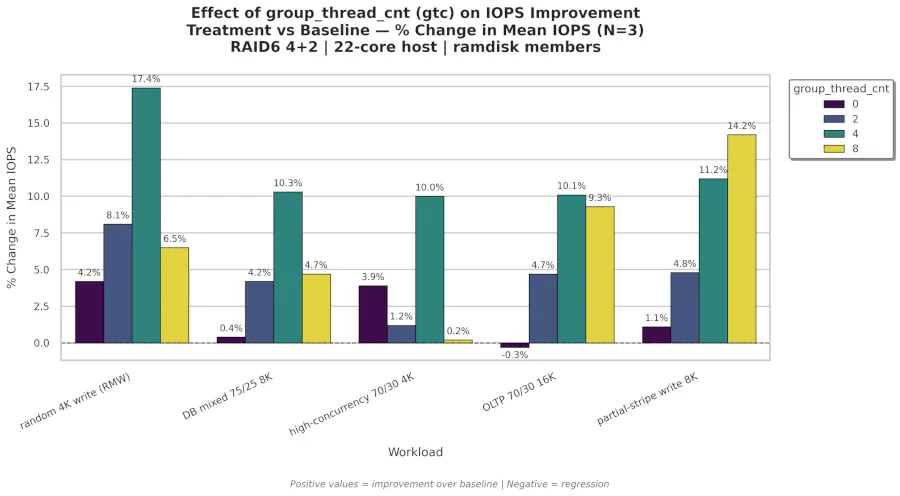
- Linux MD RAID5 sees scalability improvements of up to 17%. A new patch series posted to the Linux kernel mailing list this week reworks MD RAID5 scalability under multi-threaded workloads, with measured improvements of 10–17% on representative configurations. The patches land in the next merge window if accepted. Phoronix
- GNOME’s Newelle AI assistant gains image generation. Newelle — the GNOME-aligned AI virtual assistant that has been in development for roughly three years — released version 1.4.5 this week, adding AI image generation support alongside a redesigned chat interface. Phoronix
- KDE Plasma 6.7.2 to fix KWin’s most common crash; Plasma 6.8 to not crash when ejecting CDs. A short Plasma 6.7.1 release cycle is heading into a 6.7.2 point release in July that targets KWin’s most commonly reported crash, while the Plasma 6.8 work going Wayland-only has already picked up fixes for a long-standing crash on CD ejection. Phoronix
- COSMIC’s new system monitor is shaping up. System76’s COSMIC desktop — the Rust-based successor to Pop!_OS’s default shell — has been baking its own replacement for the GNOME System Monitor, and Phoronix has a first look at the slick new interface. Phoronix
Smart Home
- Inside the room where the smart home industry is still betting on Matter. Four years after Matter’s Amsterdam launch, the smart-home industry gathered this week to ask whether the interoperability promise is paying off — and the consensus is that it is, slowly. Apple, Google, Amazon, and Samsung are all still in, but the panel discussion reportedly centred on which device categories are still resisting adoption and what the next protocol version should standardise. [The Verge]
AI/ML

- Russia-aligned disinformation fools AI chatbots in roughly half of test queries. A peer-reviewed study finds that AI chatbots repeat narratives from the Russian Pravda propaganda network as fact in about half of test cases, and the failure rate climbs in less-resourced languages where training data is thinner and content-moderation tooling is weaker. The pattern is being framed as a structural incentive problem — language models trained on the open web will absorb state-aligned disinformation, and the only mitigations are targeted fine-tuning and curated retrieval corpora. Pplware
Telecom
- CP tests Starlink on the Alfa Pendular to fix Portugal’s patchiest onboard Wi-Fi. Portugal’s national rail operator CP is trialling Starlink on its flagship Alfa Pendular fleet to fix what passengers have long complained about: a slow, frequently-dropping onboard internet connection. The trial uses SpaceX’s low-earth-orbit constellation, which is designed to maintain connectivity while moving at speed. Pplware
Automotive
- Tesla Model Y and Model 3 return to the top of European registrations. After months of declining sales in Europe, Tesla’s Model Y and Model 3 rebounded to the top of European EV registrations in May, decisively outselling the next-closest competitors. Pplware frames the recovery as a “triumphant return” and reads it as evidence that the price-cut cycle is finally catching up with the brand’s volume products. Pplware
Mobile
- WhatsApp adds a pause before sending messages to unknown numbers. WhatsApp is rolling out a safety feature that inserts a short pause before messages to unknown numbers go out — designed to interrupt the kind of impulsive reply that fraudsters exploit. The feature has been a long-running ask from scam-prevention advocates. Pplware
In Brief
- The Verge’s Installer 134 spotlights a Google Home smart speaker as the new top pick. This week’s Installer newsletter flags a Google Home speaker as a serious candidate for “best smart speaker” — though the column leans on Verge-only hands-on time and product shots that aren’t publicly fetchable, so the writeup lands without a canonical product link. [The Verge]
- The Verge’s What’s the Password? review argues the puzzle game hides surprising depth. A solo-developed number-pad puzzle game with more than 100 levels gets a positive review from The Verge’s games desk. [The Verge]
- 90% of Pplware readers support banning gambling and online-bet advertising in Portugal. Following a public petition that revived the debate over online gambling’s social impact in Portugal, Pplware polled its readership and found overwhelming support for a ban on gambling and online-bet advertising. Pplware
- French authorities open an investigation into Vinted listings allegedly tied to child-trafficking signals. French authorities have opened an investigation after listings on the second-hand marketplace Vinted circulated on social media with details that resembled trafficking advertisements. Vinted has said it is cooperating with the inquiry and is removing flagged listings. Pplware
Roundup compiled from the TT-RSS Tech feed. 75 articles fetched from 4 sources, 1,073 already in tracker, 15 new in the working set (one topic — the EU radar-alert apps story — was already covered in today’s NOON edition and is omitted here to avoid duplication), 14 clusters summarised. Cover: Windows 10 logo on a laptop; inline: Windows Central RAM-pricing illustration, Pplware’s Vladimir Putin stock image for the AI-disinformation piece, Phoronix’s RAID5 benchmark chart. Pplware and Marius Hosting articles were processed into the post but not marked read in TT-RSS.