
Tech News Roundup — June 28, 2026 (AM)
The supply-side squeeze on memory and storage continues to dominate this week’s headlines — Apple has formally asked the Trump administration for a license to buy DRAM from CXMT, a Chinese chipmaker on the Pentagon blacklist, in a bid to ease the price pressure that pushed it to hike prices on Mac, iPad, and the rest of the lineup. On the gaming front, Xbox pushed back hard on social-media-circulated affiliate data suggesting GTA 6 preorders are running 8-to-1 in favour of PlayStation, calling the figures unrepresentative. Underneath the noise, the Linux kernel community is working through a thoughtful new feature proposal — Reserved THP — and a brand-new Vulkan-backed Wayland compositor called Nourish has appeared on the scene.
Apple
Apple seeks Trump approval to buy RAM from blacklisted Chinese supplier CXMT. Facing the same memory price spike that pushed it to raise prices on most of its product lineup this week, Apple has formally asked the Trump administration for an exception to buy DRAM from CXMT — a chipmaker blacklisted by the Pentagon over ties to the People’s Liberation Army, according to the Financial Times. The company isn’t legally barred from purchasing CXMT chips, but doing business with a firm tied to the Chinese military carries serious reputational risk. Apple’s case underlines how acute the global memory and storage shortage has become for device makers. [Pplware] [The Verge]
iOS 27 makes the Shortcuts app dramatically smarter with Apple Intelligence. Apple has taken what it calls one of the biggest steps in Shortcuts’ evolution with iOS 27: from this version forward, users no longer need to build automations step-by-step, with Apple Intelligence now generating complex workflows automatically. [Pplware]
Why is Apple asking customers to pay more for Big Tech’s AI obsession? The Verge runs an explainer on the price-hike maths behind Apple’s latest round of increases and how AI infrastructure spending across the industry is feeding into consumer hardware costs. [The Verge]
Teenage Engineering adds lo-fi mode, USB audio, and more to its KO II sampler. A meaningful firmware update for the compact OP-1 successor, bringing a lo-fi mode and USB audio to the KO II. [The Verge]
Microsoft

- Xbox disputes GTA 6 preorder reports as affiliate data, not real sales. In a statement to Windows Central, an Xbox spokesperson pushed back on an IGN-affiliate finding that PlayStation is outselling Xbox on GTA 6 preorders by an 8-to-1 ratio, calling the click-through figures unreliable and saying the company has had “record orders”. The dispute is unfolding against a turbulent backdrop: Xbox announced another round of console price hikes effective August 1 (Series S 512GB: $399 → $499, Series X 1TB: $649 → $800) — a move that surprised industry watchers for landing the same week as GTA 6 preorders. [Windows Central]
Linux & Open Source
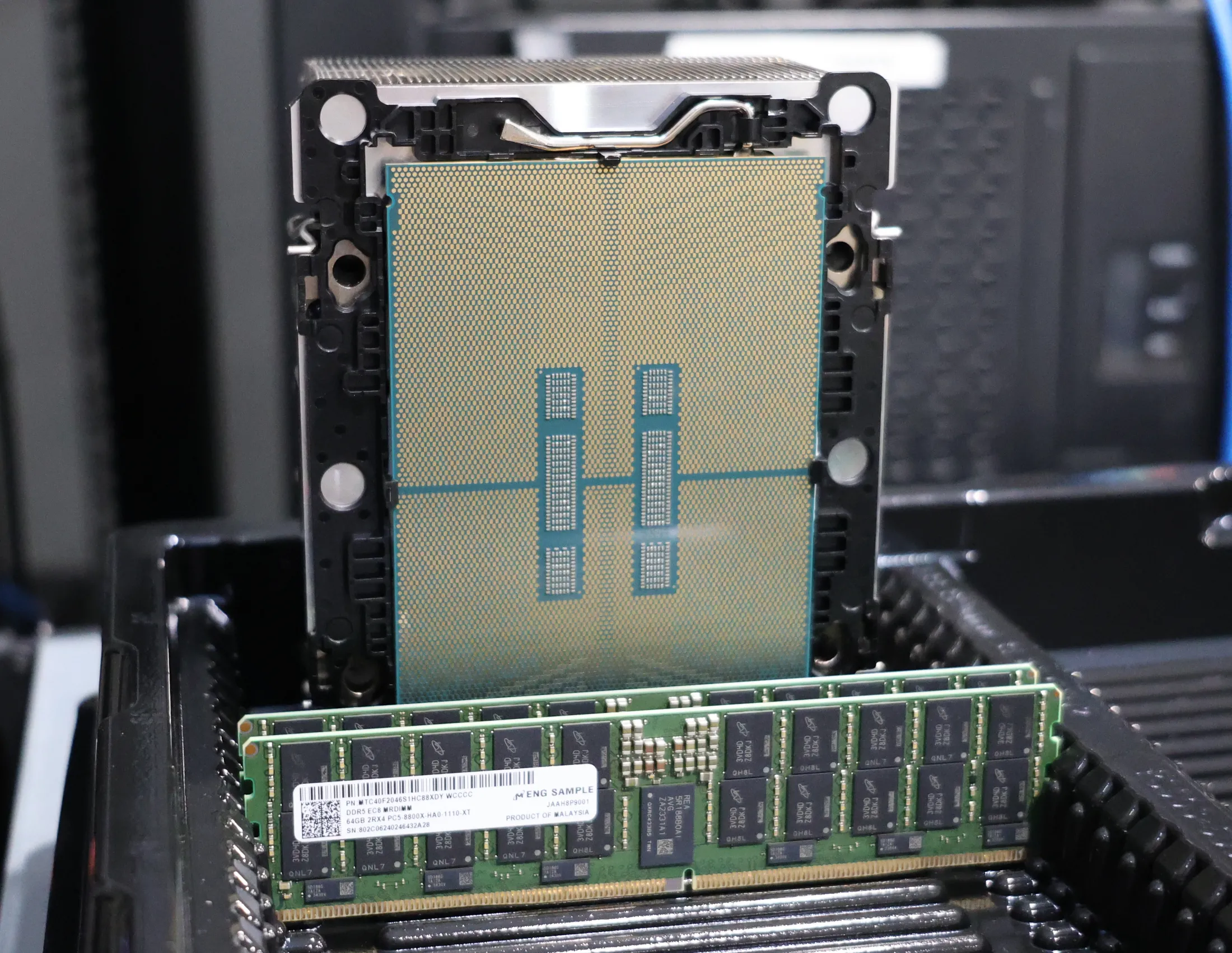
Reserved THP proposed for Linux to combine the best of HugeTLB and THP. Linux kernel developer and Bytedance engineer Qi Zheng sent out an RFC patch series for a new feature called Reserved THP, designed to merge the strengths of HugeTLB and Transparent Hugepages. If accepted, the work would give workloads a more flexible knob for very-large-page memory without the all-or-nothing trade-offs of either current mechanism. [Phoronix]
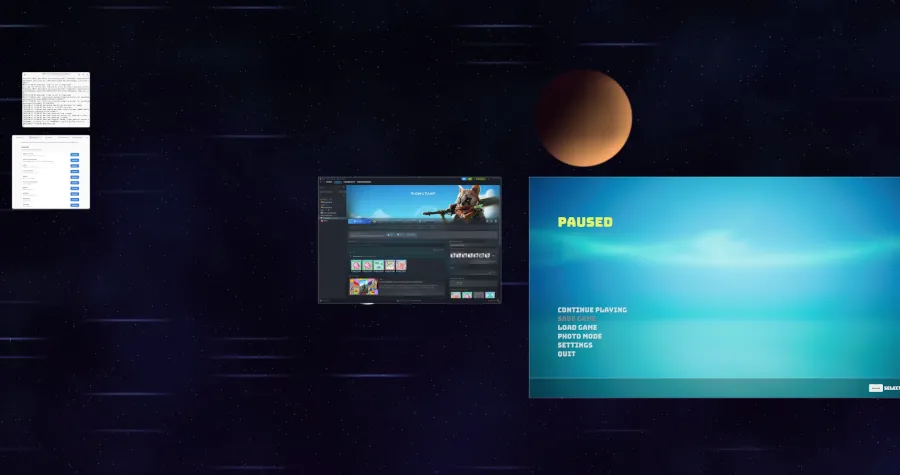
Nourish: a new Vulkan-powered Wayland compositor with infinite panning. A brand-new Wayland compositor has entered the scene, built on Vulkan and pitched around an “infinite” zoom-and-pan workspace model. It’s early days — the project is positioning itself against established compositors with a novel interaction model rather than competing on performance benchmarks. [Phoronix]
AI / ML
AI isn’t actually replacing programmers — what’s really happening? Two years into the wave of predictions that AI would eliminate software engineering jobs, the latest data tells a more nuanced story: AI is changing how programmers work, not how many of them are employed. The piece walks through what the actual labour-market signals look like. [Pplware]
Margaret Atwood on AI: “garbage in, garbage out”. The author of The Handmaid’s Tale offers a sharp, sceptical take on AI’s inputs and outputs in a Verge interview. [The Verge]
Gaming
Indie developers are making their own Star Fox games. Tired of waiting for Nintendo, indie creators are filling the Star Fox void with projects like Ex-Zodiac and Whisker Squadron: Survivor. The piece explores how nostalgia for Star Fox 64 is powering a small but vibrant scene of fan-made rail shooters. [The Verge]
The Guardian’s Kai Wright refuses to buy a new phone. A columnist’s quiet protest against the upgrade treadmill — and a reminder that not every consumer tech purchase is necessary. [The Verge]
Telecom & Policy
EU prepares fines for speed-camera alert apps. The European Union is moving to tighten the screws on apps and devices that issue radar alerts, with new penalties in the pipeline for distributors. The change targets services that drivers use to avoid speed traps — a category that’s been in regulatory grey territory for years. [Pplware]
Netflix tightens account-sharing rules again — and users aren’t happy. The streaming service is testing a new feature that complicates how subscribers share their account with family or friends, drawing fresh criticism from users already weary of its password-sharing crackdown. [Pplware]
Smartphones
iServices launches an in-store QR-code trade-in simulator. Portuguese retailer iServices rolled out an AI-powered trade-in estimator accessible in-store via QR code — point, scan, and instantly learn what your current smartphone is worth. [Pplware]
How to enable earthquake alerts on iPhone in Portugal. A practical how-to prompted by recent seismic activity in Venezuela that had Portuguese users asking whether the iPhone can warn them ahead of shaking. [Pplware]
Self-hosting
- Synology & UGREEN: Dockhand Docker hits 1.0.36. Dockhand’s June 27 update brings an amber update indicator on the sidebar when a newer image is available, configurable network mode and DNS for the vulnerability scanner, and template-tile improvements. [Marius Hosting]
In Brief
Voyager 1 to reach one light-day from Earth in November. NASA’s Voyager 1 is on track to become the first human-made object to reach a full light-day from Earth in November 2026 — a milestone in deep-space exploration. [Pplware]
The Grinch 2: Saving Christmas returns to theatres. A holiday-movie revival announcement — no tech angle, just seasonal news. [Pplware]
Python for beginners, Part VI. The continuing series on getting started with Python. [Pplware]
Roundup compiled from the TTRSS Tech feed. 20 new articles clustered from 85 fetched across Phoronix, Pplware, The Verge, Marius Hosting, and Windows Central.