
Tech News Roundup — June 30, 2026 (NOON)
A quiet NOON edition dominated by two Pplware exclusives: a hard-data look at what happens when a major North American city pulls its speed cameras off the streets, and a curious WhatsApp security story about a flaw that was technically a vulnerability but also a clever unofficial tool. Both stories carry useful lessons for anyone running infrastructure at scale — the Toronto one for urban policy and enforcement engineering, the WhatsApp one for how a “fix” can simultaneously be a regression for power users.
Telecom & Urban Tech

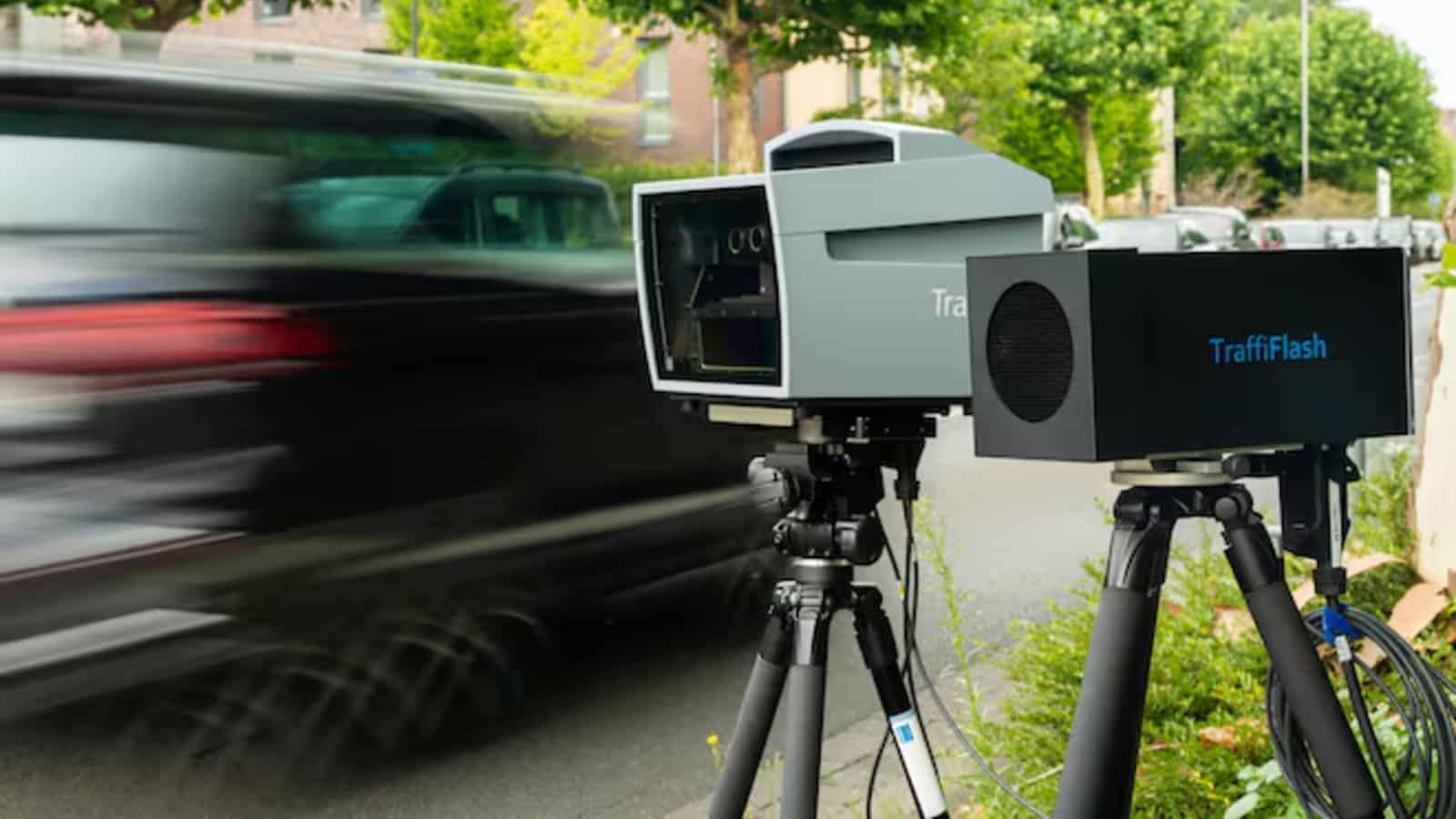
- Toronto pulls speed cameras, speeding jumps 480%. A new report from Toronto’s transportation services confirms that driver speeds climbed sharply after the city removed its automatic speed cameras from the streets in November 2025 — a near fivefold increase in measured speeding incidents. The data lands at a moment when several other North American cities are debating the cost-effectiveness of automated enforcement, and it gives the pro-camera camp its strongest empirical argument in years. The post is essentially a natural experiment: remove the enforcement layer, watch the behaviour revert. Expect Toronto to cite this report heavily as it negotiates the next enforcement budget cycle. Pplware
Security & Privacy
- WhatsApp patches an encryption-verification quirk that doubled as a “have I been blocked?” probe. The Meta-owned messenger has fully closed a strange vulnerability in its end-to-end encryption verification flow. The bug was never advertised as a feature, but a subset of users had been quietly relying on it to check whether a contact had blocked them. From a security-engineering angle, closing the loop is the right call — the verification handshake should not leak side-channel state — but it does retire one of the more creative unofficial client-side workarounds. The fix rolled out via a standard app update; no user action is required. Pplware
Roundup compiled from the TTRSS Tech feed. 2 articles from 1 source summarized.