
Tech News Roundup — July 1, 2026 (AM)
The morning’s two big stories are both Microsoft cuts. The next wave of Xbox layoffs lands next week and is reportedly set to include at least five studio closures — Arkane and the long-stalled Marvel’s Blade among them — while IO Interactive simultaneously confirmed that Xbox has walked away from the Project Fantasy RPG it had been co-developing. Beyond that, Linux 7.2 is on track for an August release with a substantial feature pile-up, Phoronix has shipped its Q2 wrap (NVIDIA Vera, Intel Arc Pro B70, AMDGPU HDMI 2.1 FRL), RAM is heading for a 50% price spike in Q3, and the Pplware feed continues to surface a steady stream of Portuguese-language tech that we’ve summarised in English below. Verge-only stories appear without source links per the site convention.
Microsoft
Microsoft’s next wave of Xbox layoffs is set for next week, with Blade and Arkane on the chopping block. The Verge’s Tom Warren reports that the round will include studio closures or spinoffs, potential studio mergers, and multiple canceled games — Marvel’s Blade, developed by France-based Arkane (Dishonored), is reportedly among the cancellations, with the studio itself at risk of being shuttered. A Microsoft representative did not respond to a request for comment. Just days earlier, the same reports were that Todd Howard had seen Blade and “said it was progressing well”, and Arkane’s lead concept artist had publicly denied cancellation rumors — both read as a sign of how fast the picture is shifting inside Xbox. IO Interactive has separately confirmed that its relationship with the “external partner” on Project Fantasy (an online fantasy RPG) has “come to an end”, and is laying off staff while insisting the next franchise will continue. 007 First Light, by contrast, has been IO’s fastest-selling game ever, moving 1.5 million units in its first 24 hours.
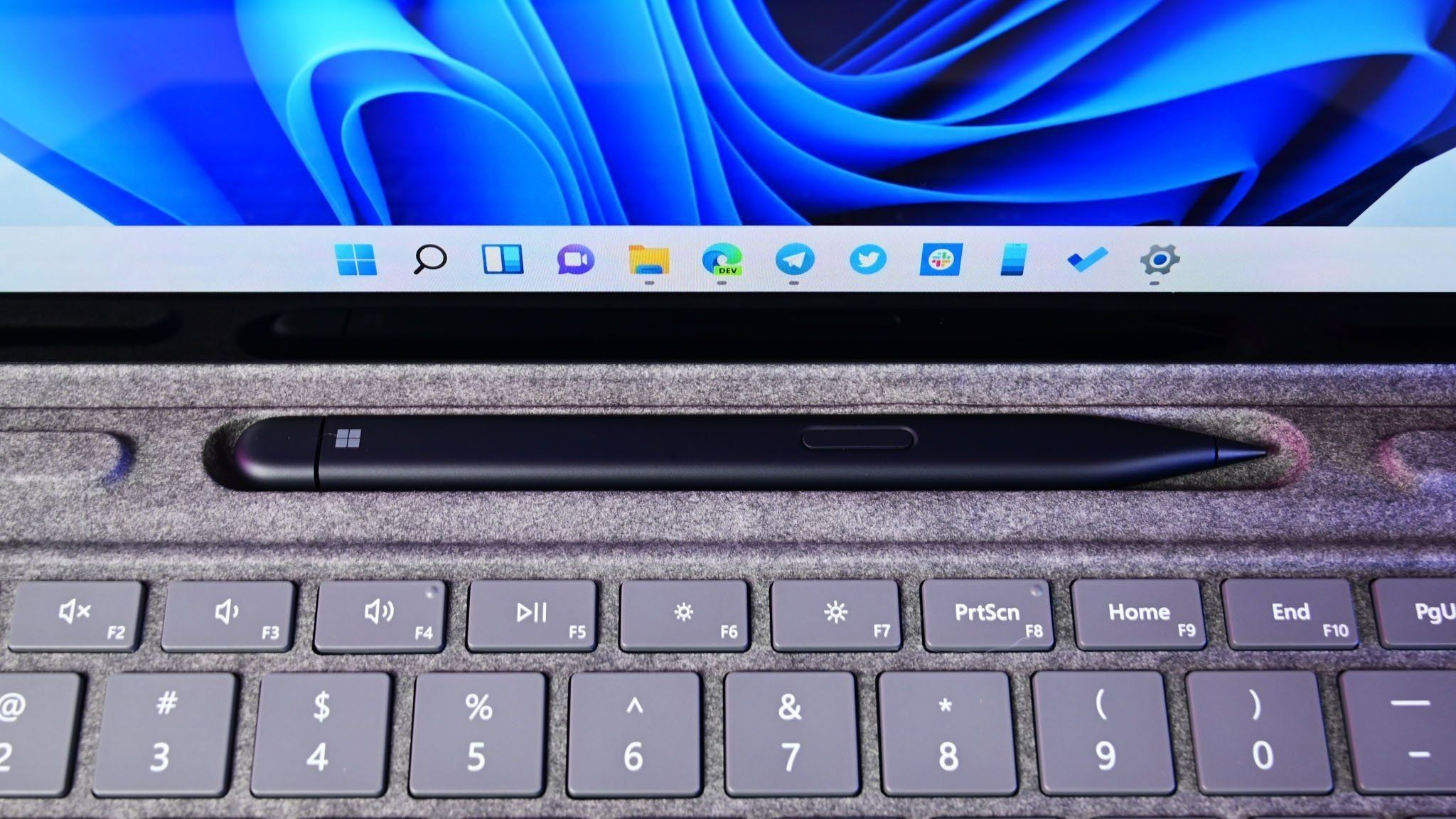
Windows 11 is finally getting a taskbar you can actually shrink. The latest Windows Insider Beta (build 26220.8754) and Experimental flights (26300.8758) add the long-requested option to make the taskbar smaller — a small change on paper, but a meaningful concession to users who have been asking for more taskbar density since the 2021 redesign dropped the old “combine when full” behaviour. The fix shows up in the 26H1 branch as well (28020.2366 / 28120.2374), suggesting it’s planned for the next major feature update.
A critical zero-day, “RoguePlanet”, bypasses Microsoft Defender on Windows 11 and Windows 10. The same researcher (Nightmare-Eclipse) who previously disclosed the BitLocker bypass via USB, and the YellowKey, GreenPlasma, and MiniPlasma zero-days, has now published a Defender bypass that Microsoft is tracking as CVE-2026-50656. The exploit allows attackers to gain full control of affected systems; Microsoft has acknowledged the vulnerability and is working on a patch. A timely reminder that the “everyday risk protection without additional software” claim for Defender is doing a lot of work.
Microsoft quietly retires the Surface Go and Surface Laptop Go lines. Per Zac Bowden’s sources, both budget Surface PCs are no longer in production, with no successors planned — completing the portfolio cull that began in 2023 (Surface Studio, Surface Laptop Studio, Surface Duo, Surface Hub, Surface Book, Surface Headphones, and Surface Earbuds are all already gone). The active Surface portfolio is now just Surface Pro (12- and 13-inch) and Surface Laptop (13, 13.8, 15, and an Ultra model coming this fall).
Steve Ballmer once called Linux a “cancer” — Windows 10 holdouts are increasingly treating it as the cure for Windows 11’s hardware rules and the RAM crisis. A reminder, if any was needed, that Microsoft’s hardware-direction complaints about Linux have aged like milk: a quarter century on, Ballmer’s 2001 “intellectual property” attack reads as a quaint footnote, and Ballmer himself has acknowledged since 2016 that going to war with open-source “helped generate a ton of money”. The current wave of Windows 10 → Linux migrations is being driven by Windows 11’s hardware floor and the doubling of RAM prices over the past year.
Linux & Open Source

Linux 7.2 is on track for an August release with a substantial feature pile-up. The merge window closed with more than 43 million lines in the codebase. Highlights: cache-aware scheduling (which can meaningfully shift throughput on cache-bound workloads), USB4STREAM tunneling, the AMD ISP4 camera pipeline, and AMDGPU HDMI 2.1 FRL output. A new posted patch series also enables the internal keyboard on more recent Apple MacBooks (M3 generation) — small but meaningful, since the M3 Macs can now boot to a console and accept keyboard input, even if proper GPU acceleration and end-user usability are still some way out.
Phoronix’s Q2 2026 recap: NVIDIA Vera, Intel Arc Pro B70, AMDGPU HDMI 2.1 FRL, and 872 original news articles later. Michael Larabel has closed out the quarter with the standard Phoronix retrospective: 872 original news articles and 54 Linux hardware reviews / multi-page featured benchmarks. Highlights of the quarter included Phoronix’s coverage of NVIDIA Vera (a workstation-class follow-up to Grace), Intel’s Arc Pro B70, and the steady drumbeat of AMDGPU HDMI 2.1 FRL improvements for older GPUs. The AMD-side recap separately calls out improvements for older GPUs alongside the new FRL work.
KDE Plasma 6.7.2 ships a fix for the most common KWin crash and improves Chromium video playback. The point release addresses the top KWin crash (which had been the leading user-reported regression since 6.7.0) and lands a long list of smaller bug fixes. COSMIC Epoch 1.2, separately, fixes the flickering issues on Intel graphics that had been plaguing the new System76 desktop since the 1.1 release.
Fedora 45 looks to finally add Stratis install support; GraalVM CE 25.1.3 trims a native “Hello World” to 6.5MB. Stratis Storage has been in Fedora since version 28 but, until now, couldn’t be used for the root filesystem on a new install — Fedora 45 is the first release where that’s expected to change, finally giving Red Hat’s Rust-based storage management daemon a real install path. Separately, GraalVM Community 25.1.3 is out, with the headline number being a 6.5MB native-image “Hello World” — a useful proxy for how aggressively the AOT compiler has been trimming overhead.
Gaming
Rockstar developers push to unionize ahead of GTA VI’s launch. With preorders reportedly already north of $3 billion, Alex Marshall of the IWGB has publicly called on Rockstar management to “sit around the table with the people whose hard work created these games” and “give them a meaningful voice in their workplace.” The push is explicitly framed as defensive: get union recognition locked in before the inevitable post-launch layoff wave, which has been a feature of the games industry for the better part of a decade.
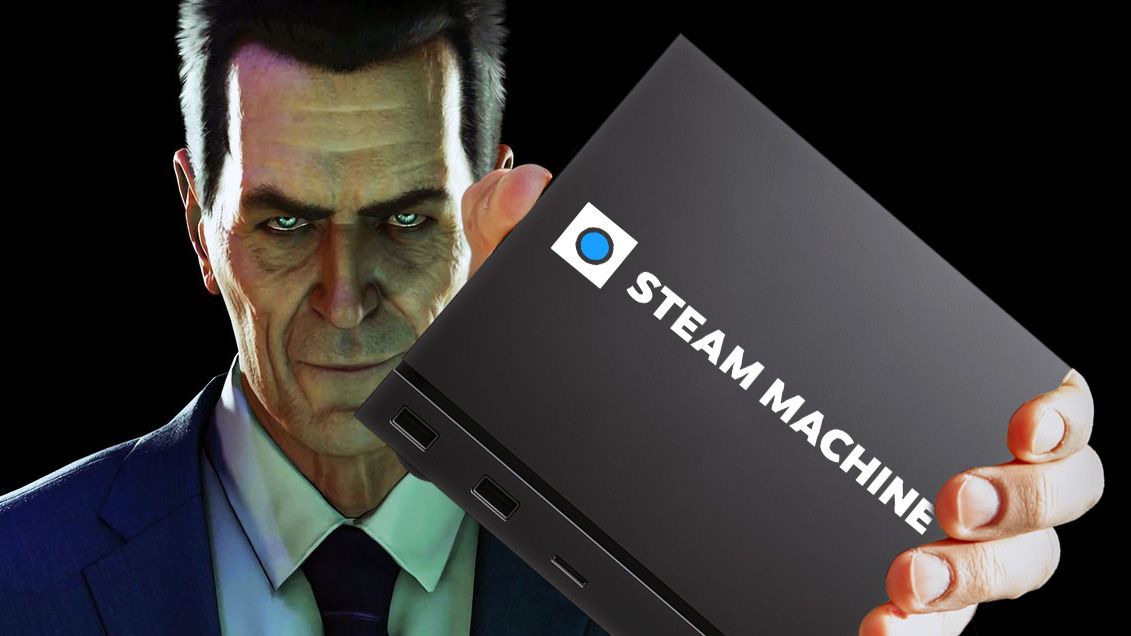
Valve quietly drops the Steam Machine’s “4K 60 FPS” claim. Initially marketed as a 4K 60 gaming machine with FSR and a discrete semi-custom AMD CPU and GPU, the product listing has been amended to “Up to 4K gaming with FSR 4.1, thanks to a discrete semi-custom AMD desktop-class CPU and GPU” — a substantively softer promise. Windows Central lays the blame squarely on the RAM price spike, which has pushed the Steam Machine to a $1,049 price point and made the original pitch impossible to defend. The reader’s response has been brutal: Valve wanted to disrupt the console space, and at this price it can’t.
Bethesda confirms August 11 release date for The Elder Scrolls IV: Oblivion Remastered on Nintendo Switch 2. The remaster, which surpassed 9 million players in its first three months on other platforms, will arrive on Switch 2 in August. Bethesda’s own note frames it as one of the more demanding ports to the new Nintendo hardware; Digital Foundry’s recent comments on the Xbox Series S as a Switch 2 porting reference point lend it some credibility.
AI/ML
Anthropic’s long-sidelined Fable 5 is greenlit to return. After weeks of negotiations with the Trump administration, Anthropic has confirmed that the Department of Commerce has lifted export controls on Claude Fable 5 and Mythos 5 — the consumer-facing and safeguards-lifted siblings of the same underlying model. Access restoration starts tomorrow, with an update to follow. Fable 5 was sidelined in early June after the same set of cyberattack-research concerns that had been reported around the model during its initial launch.
[The Verge]
Google’s NotebookLM can sum up your research in a TikTok-style clip. The new “Short Video Overviews” feature generates 60-second vertical AI clips from the sources you upload, with paper cutout-style AI art and narration. It’s rolling out to Google AI Ultra and Pro subscribers and joins NotebookLM’s existing AI-podcast, cinematic video overview, and visual explainer formats. The example Google shared: Australia’s unsuccessful war on emus, narrated.
Loop engineering: a new technique shaping how developers prompt AI agents. Rather than writing a fresh prompt at every step, more programmers are now running continuous feedback loops where the agent evaluates its own output and iterates. The technique is gaining traction in code-review and refactoring workflows, where the cost of a wrong suggestion is lower and the cost of stopping the loop to re-prompt is higher.
Hardware
RAM prices are set to spike by up to 50% in Q3 2026. AI infrastructure demand is the proximate cause — the same hyperscaler-driven memory crunch that priced the Steam Machine out of its original pitch is now hitting the consumer market directly. Windows Central argues mini-PCs are the most attractive workaround for cash-strapped desktop buyers: enough RAM for productivity, no full tower, no $1,000+ bill. Pplware’s coverage of the trend in the Portuguese market confirms the same pressure is showing up across European retail channels.
Meta starts rate-limiting and soft-paywalling its AI smart glasses. Conversation Focus on the Meta AI glasses is now capped at three hours per month unless you pay for a $19.99 Meta One Premium subscription. Even premium subscribers only get 15 hours per month. Meta insists it’s a “rate limit” rather than a subscription requirement for the glasses themselves, but the framing hasn’t fooled anyone — it reads as a soft paywall for a piece of AI hardware you already own.
[The Verge]
Telecom & Streaming
Dish files for Chapter 11, but insists it is not shutting down. The EchoStar-owned company filed for prepackaged bankruptcy after “unforeseen delays” held back the $23 billion sale of its 5G spectrum to AT&T. Dish TV, Sling TV, and the other Dish-branded services will continue to operate during the process; Boost Mobile and Gen Mobile are not part of the filing. The plan is to emerge from Chapter 11 by the end of Q3 2026.
[The Verge]
Netflix is using an AI-generated Gene Wilder voice in its Willy Wonka reality show. A new teaser for Wonka’s The Golden Ticket (premiering September 23) confirms an AI voice mimicking Gene Wilder. The reveal follows the trend of Netflix reality-show reimaginings of fictional universes — Squid Game: The Challenge being the prior template.
[The Verge]
Homelab & Self-hosting

Synology DSM 7.4 is out, with major Docker container updates for June. Synology released DSM 7.4 on June 16, with a wide range of supported models (20-series and earlier included, though some older units will fall off). Marius Bogdan Lixandru’s monthly round-up covers the headline container changes for the self-hosting community — Plex, Vaultwarden, *arr stack updates, and several reverse-proxy / DNS-level utilities that benefit from the new DSM kernel.
In Brief
- iPhone 18 Pro “drop test” leaks get yanked from X. Videos purporting to show the iPhone 18 Pro undergoing a drop test were removed from X shortly after surfacing. An account imitating leaker EvLeaks was suspended. [The Verge]
- Google is killing off Tenor GIF searches in other apps. The Tenor API is being shut down; the Tenor website and Google’s own use of Tenor (Google Messages, etc.) continue, but X, Discord, Bluesky, and WhatsApp will need to migrate to alternative GIF picker services. [The Verge]
- The Supreme Court stops Trump’s attempt to end birthright citizenship. A ruling blocks the executive-order interpretation that would have denied citizenship to children born in the US to non-citizen parents. [The Verge]
- Amazon fined $2.25 million for failing to help identity theft victims. A regulatory action, not a class-action settlement. [The Verge]
- Acer’s Swift Go 16 is “a lot of laptop for $900”. Verge deal tag, no further review details in the excerpt. [The Verge]
- Moto’s Tag 2 tracker is $20 for a limited time. A sub-$20 entry into the AirTags-alternative space. [The Verge]
- LG’s 27-inch Tandem OLED gaming monitor hits a new low. Specific price not in the excerpt, but the Verge deals desk flagged it. [The Verge]
- The Bose Soundlink Max is $120 off ahead of the July 4th weekend. Now $279 at Amazon, Best Buy, and directly from Bose — the IP67-rated Bluetooth speaker with up to 20 hours of battery life. [The Verge]
- Libby will filter out AI content, “kind of”. The library lending app is rolling out some form of AI-content filter — the specifics are still vague in the excerpt. [The Verge]
- What is a quantum computer good for? Absolutely nothing — yet. A reality-check piece on the state of the field. [The Verge]
- BMW’s Figure 02 humanoid robot has been promoted off the X3 line after 30,000 cars. Following its near-year of X3 assembly work, the Figure 02 has been given a new task. [Pplware]
- Tesla is facing a theft problem software can’t solve. Trucks loaded with batteries are disappearing from US lots, and Tesla’s existing anti-theft stack doesn’t help. [Pplware]
- A doctor uses a Razer gaming mouse to treat patients across 37 US states. The mouse, originally designed for long League of Legends sessions, has been adopted as a clinical input device at a US telehealth clinic. [Pplware]
- Packing the car to the ceiling for vacation? Watch the rules. A Portuguese-language overview of overloading fines and safety limits under EU driving law. [Pplware]
Roundup compiled from the TTRSS Tech feed. 48 new articles reviewed, 18 clusters formed (12 thematic, 6 in brief), drawing on The Verge, Phoronix, Windows Central, Pplware, and Marius Hosting. Verge-only stories are summarised without source links per the site convention.