
Tech News Roundup — July 7, 2026 (PM)
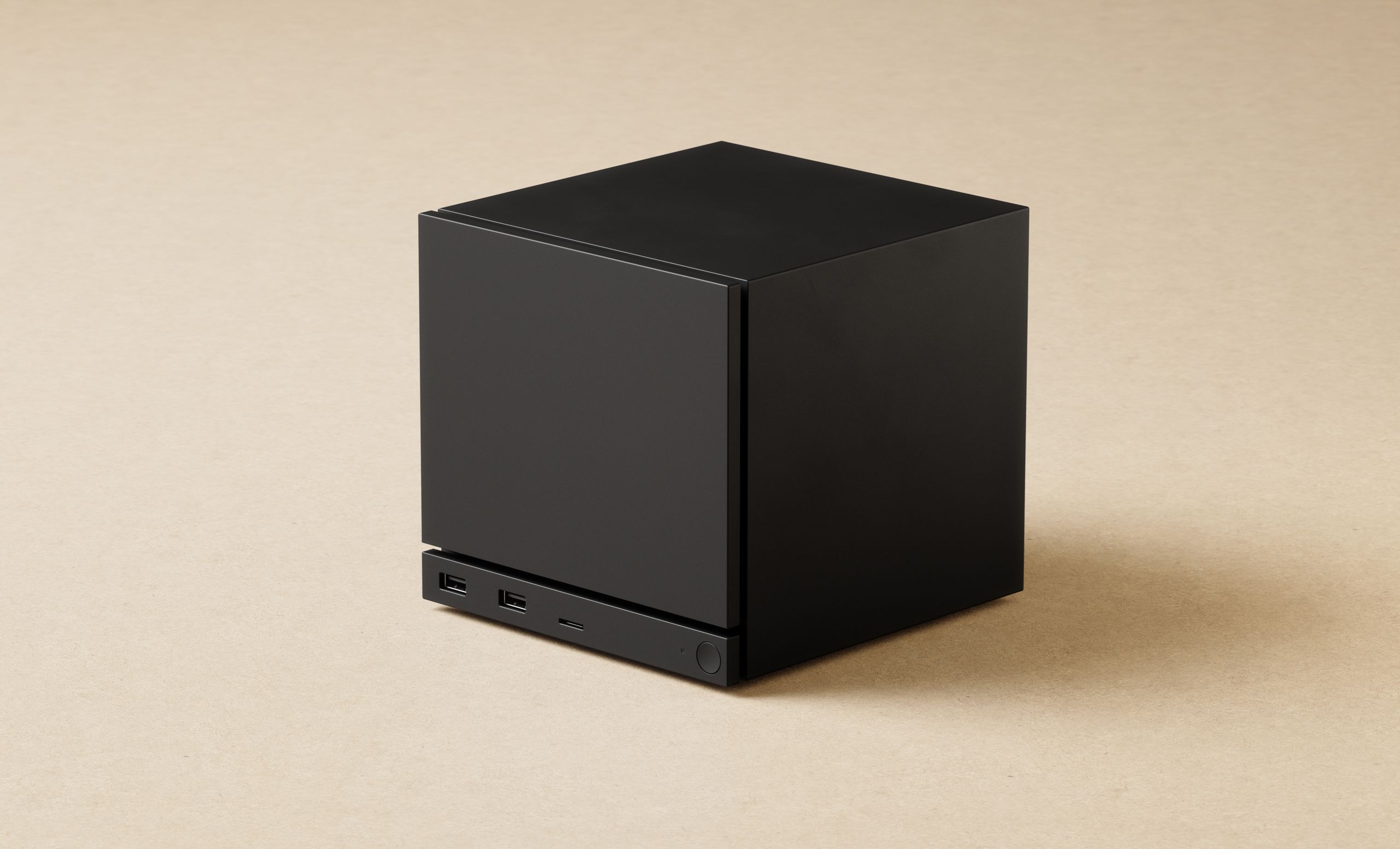
The PM edition covers Valve’s Steam Machine finally shipping Windows drivers but still no SteamOS gaming mode, Microsoft/Xbox’s strategic double-down on consoles (and away from smaller studios), a strange Windows 11 storage bug that can balloon to 500GB, the return of a key LLVM Linux developer with a promise that the LKML will “burn,” and TUXEDO Computers swapping Ubuntu for Debian Testing as their TUXEDO OS base.
Gaming & Hardware

Xbox refocuses on consoles (the 80% of its business) and steps away from smaller studios. In a Fortune interview, CEO Asha Sharma described the restructuring underway at Xbox following the recent “big reset” cuts: the company will lean into its console business (which represents ~80% of revenue) and pull back from the smaller studios hit hardest by the layoffs — Compulsion, Double Fine, Undead Labs, Ninja Theory among those moving out. The Verge frames it as “a bold plan for the future sounds nearly impossible” — the strategic logic being that Xbox hardware is its stable base while first-party games have been the lossy diversification. [Windows Central] [The Verge]
Valve releases Windows PC drivers for the Steam Machine — SteamOS dual-boot still missing. Windows Central reports that Valve has finally published Windows drivers for its Steam Machine hardware, addressing some of the rough early edges (the “red line of death” issue and the quietly dropped 4K/60 FPS claim). What’s still missing: an official path to dual-boot into SteamOS for gaming, which would have been the killer feature for a $1,049 device. Drivers yes, but the “two-OS” promise is still vapor. [Windows Central]
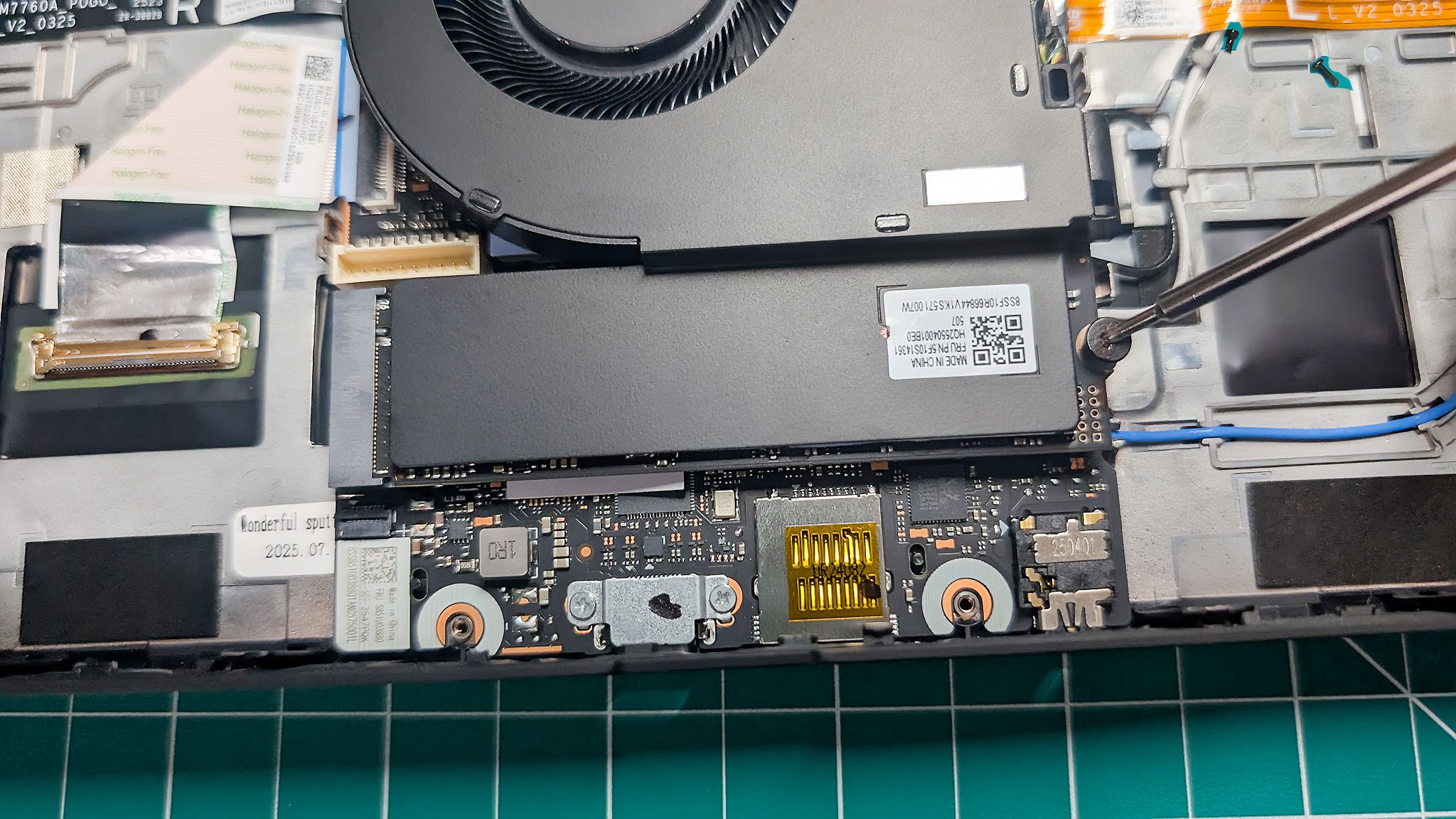
A bizarre Windows 11 bug is gobbling up to 500GB of storage. A single bloated file —
CapabilityAccessManager.db-wal(a write-ahead log for the capability access manager) — can balloon to extreme sizes on some Windows 11 machines, eating dozens of GB in many cases and up to 500GB in extreme ones. Microsoft has acknowledged the issue and a Windows Latest deep dive walks through how to verify and work around it. [Windows Central]How one indie game was refunded over 55,000 times on Steam. The developer behind Paddle Paddle Paddle — a co-op “Foddian” frustration game — is sounding the alarm about Steam’s refund policy after their title racked up over 55,000 refunds. The game’s design (built for content-creator reaction videos) means many buyers refund within minutes, and Steam’s policy processes those automatically. Windows Central calls it “a masterclass in misalignment between creator-friendly refund UX and developer sustainability.” [Windows Central]
State of Decay 3 wishlists already outpace Halo and Gears on Steam. A short Windows Central piece noting that Microsoft’s zombie survival sequel has accumulated more Steam wishlists than the Xbox heavyweights Halo and Gears, framed as “a masterclass in Microsoft short-sightedness” given the studio cuts that just hit Xbox’s first-party lineup. [Windows Central]
Linux & Open Source

“I’ll make the Linux Kernel Mailing List burn” — Nick Desaulniers returns to LLVM Linux. One of the original developers behind allowing the Linux kernel to be built with LLVM/Clang (rather than GCC) is back working on LLVM Linux support. Phoronix frames his return as combative: Kernel build diversity depends on this work, and his return signals a renewed focus on making sure Clang-built kernels stay first-class. [Phoronix]
TUXEDO Computers switches TUXEDO OS from Ubuntu to Debian Testing. The Bavarian Linux PC vendor is moving its TUXEDO OS platform away from Ubuntu and onto Debian Testing as the underlying base — a continuation of the trend of Linux vendors picking Debian-stable derivatives for long-running hardware support rather than chasing Ubuntu’s six-month cadence. [Phoronix]
Linux 7.3 further limits AF_ALG with a new sysctl knob. The AF_ALG user-space interface to the kernel crypto API was deprecated in 7.2 and is being further restrained in 7.3 with a new sysctl to surface area — Linux kernel devs call it “a nightmare” attack-surface that needs hardening. The interface has already lost some features in 7.2; 7.3 tightens further. [Phoronix]
IBM retiring the EHEA 10Gb Ethernet driver — a relic of older POWER hardware. The upcoming Linux 7.3 mainline kernel is dropping one of the first 10GbE drivers ever shipped, IBM’s EHEA, because it targets outdated POWER hardware that’s no longer supported. Drivers for ISA, PCMCIA, and other legacy interfaces have been pruned in recent cycles; EHEA is the latest casualty. [Phoronix]
Apple & Google
iOS 27 beta 3 arrives for developers with iterative refinements ahead of the final release. Pplware covers the new build for Portuguese-speaking developers; no major new features, just routine stability and prep work. [Pplware]
Google Search tells creators more about their reach. Google Search Console is adding a new “platform properties” feature that gives content creators a fuller picture of how people find their social media profiles and YouTube content through Google Search. Useful for cross-platform attribution. [The Verge]
Gadgets & Consumer Tech
iFixit ships a Megalodon toolkit for appliances, furniture, and household repairs. iFixit’s latest driver kit is targeted at home appliance repair (large appliances, furniture assembly, general household fixes) rather than its usual gadget-teardown audience — a sensible expansion given the right-to-repair wave that’s made home repair a mainstream hobby. [The Verge]
Solos debuts an even lighter, camera-less version of its smart glasses. The Solos AirGo A6 drops the camera entirely in favor of a sleeker design and a voice-first AI assistant — a privacy-conscious pivot for the smart-glasses category that Solos says is the response to consumer wariness about always-on cameras. [The Verge]
Marshall upgrades the bass and repairability of two wireless speakers. The Acton and Stanmore Bluetooth speakers get new versions with upgraded tweeters, better bass ports, and replaceable knobs/parts — addressing both audio performance and longevity. A rare audio company leaning into repairability. [The Verge]
Nothing’s first B-series phone skips the US. The Phone 4B, Nothing’s new entry-level in the revamped B-series lineup, won’t be sold in the US — a continuation of the company’s strategy of focusing its budget phones on markets where the brand can build a foothold. [The Verge]
Nothing’s new earbuds can record calls and what you’re listening to. Nothing announced an upgraded Ear 3A wireless earbud with call recording and audio playback recording — a feature set that will probably land Nothing on some privacy-and-consent discussion threads in the EU. [The Verge]
Policy & Industry
- “Are you ready for what it takes to stop ghost guns?” A Verge feature on the regulatory and technical landscape around 3D-printed firearms, anchored to the case of a former Army National Guard member prosecuted for assembling and distributing ghost-gun parts via 3D-printed components. Not a news story in the breaking sense — a long policy feature. [The Verge]
In Brief
Portugal vs Spain match broke the internet: 15 million concurrent TikToks. Pplware reports that yesterday’s Portugal–Spain football match generated a peak of 15 million simultaneous TikTok streams — the largest such spike ever recorded by a major internet exchange point, per the world’s biggest IX operator. [Pplware]
“Big Brother” US speed cameras spark a citizen backlash. Pplware covers the growing American pushback against the proliferation of automated speed and red-light enforcement cameras — a story that’s been quietly escalating across US municipalities for the last 18 months. [Pplware]
Dell AI PC portfolio brochure (sponsored content, four pieces). Windows Central published a Dell-commissioned four-piece series positioning Dell’s Intel Core Ultra PC lineup as a strategic refresh target — performance, security, and sustainability over AI hype. Treated as sponsored content rather than editorial. [Windows Central]
Roundup compiled from the TTRSS Tech feed. 24 articles from 4 sources summarised across 20 clusters.