
Tech News Roundup — July 13, 2026 (AM)
This morning’s edition leads with questions about Windows 11 telemetry, Apple’s long-running investment in on-device AI silicon, and mounting local opposition to resource-hungry AI data centres. Linux 7.2 reaches its third release candidate while expanding default RISC-V support, and the rest of the feed spans gaming, wearables, smart homes, self-hosted monitoring, and a handful of consumer and science stories.
Apple
Project Titan’s most durable result may be Apple’s AI silicon. Apple’s cancelled self-driving-car effort reportedly forced the company to confront the need for powerful on-device machine learning years ago. That work fed into the Neural Engine introduced with the A11 Bionic and now underpins Apple’s wider AI-chip roadmap, even though the vehicle itself never shipped.
[The Verge]
Microsoft
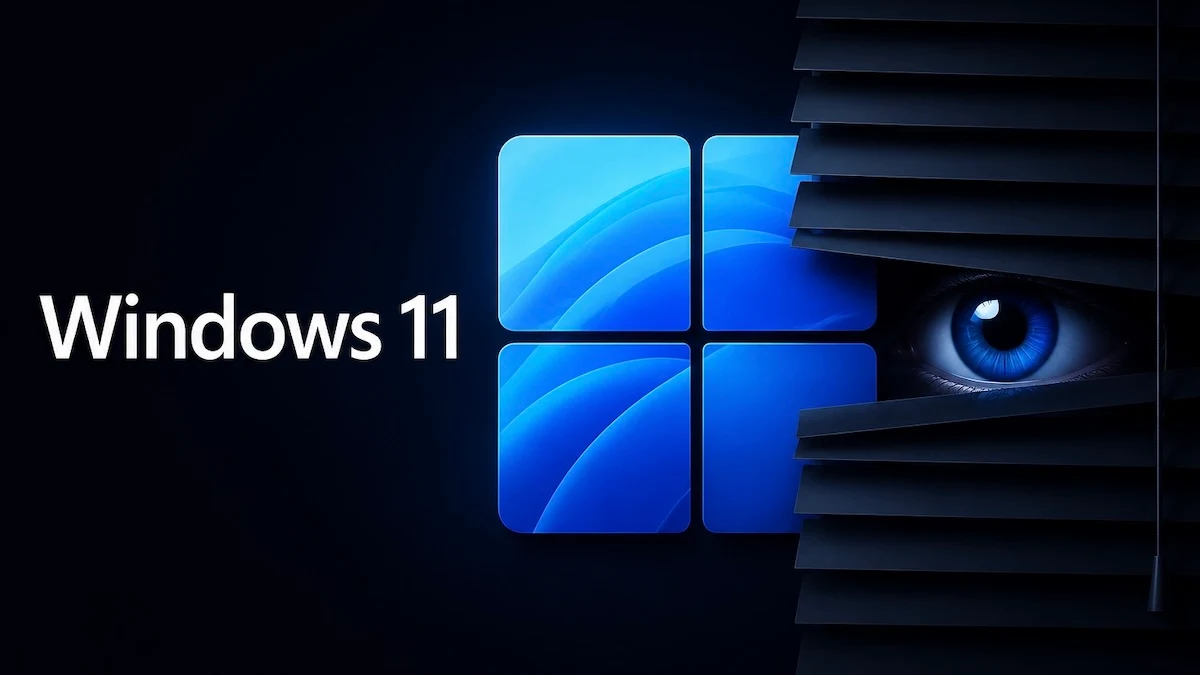
A hidden Windows identifier raises fresh telemetry concerns. Reporting around the arrest of a hacker has drawn attention to the GDID, an identifier said to let Microsoft correlate Windows activity even when a user connects through a VPN. The episode highlights the distinction between masking network location and preventing operating-system-level identification or telemetry.
Gaming
Relic is turning Company of Heroes 3: Final Stand into a standalone experience. The new release builds on the studio’s real-time strategy series and is scheduled for July 29, giving players a separate route into the Final Stand format rather than requiring the core game.
SteelSeries’ Arctis Nova Pro Wireless receives a steep discount. The premium headset is listed at $239.99 in blemished-box configurations, more than $100 below some regular retail prices. It retains active noise cancellation, swappable batteries, Bluetooth, a control base station, and broad PC and console compatibility.
[The Verge]
Linux & Open Source
Linux 7.2-rc3 is ready for wider testing. Linus Torvalds has issued the third release candidate on the road to the stable Linux 7.2 kernel expected in August. The cycle is described as close to the project’s “new normal,” suggesting no exceptional disruption at this stage.
UltraRISC support joins the default RISC-V kernel configuration. Linux 7.2 is enabling UltraRISC coverage in the standard RISC-V
defconfig, following a similar move for Eswin system-on-chip support. This should make default kernel builds useful on a broader range of RISC-V hardware without extra configuration.
AI/ML

Communities are pushing back against AI data-centre expansion. Local opposition is growing as residents scrutinize the electricity, water, land, and infrastructure demands of large AI facilities. The resistance is already forcing some operators to reconsider plans, signalling that access to community consent may become as important as access to power for future projects.
A musician’s criticism captures the social unease around AI glasses. Lorde used a festival appearance to condemn camera-equipped AI eyewear and question whether people can still tell when an interaction is being mediated or recorded. The comments appeared especially pointed given Ray-Ban’s role as a festival sponsor and its partnership with Meta.
[The Verge]
Hardware
Oura Ring 5 refines an already mature smart-ring formula. The new model is presented as an excellent casual health tracker and perhaps the strongest smart ring for newcomers, but not the best device for highly detailed fitness analysis. Owners of the relatively recent Ring 4 have little reason to upgrade.
[The Verge]Philips Hue remains a model for practical smart-home design. A retrospective argues that Hue succeeded by making connected lighting broadly controllable, adaptable, and comparatively unobtrusive without requiring major home renovation. Its longevity illustrates how reliability and clear user value can matter more than novelty in smart-home platforms.
[The Verge]OmniSight offers a unified infrastructure dashboard for Synology users. The lightweight single-page application brings Proxmox, servers, Kubernetes, Docker, SNMP gear, firewalls, storage, databases, and monitoring services into one responsive interface. It includes draggable cards, live metrics and logs, history charts, service controls, and alerts.
In Brief
Chinese EV buyers may be replacing cars with smartphone-like frequency. Rapid product cycles and intense domestic competition are reportedly shortening ownership periods for some electric vehicles.
Human retinas have responded to light up to ten hours after death in laboratory work. The result suggests retinal tissue can retain or regain function for longer than previously assumed and may improve post-mortem models used in vision research.
Portugal has approved a revised vehicle-tax payment model. The change to the Imposto Único de Circulação is intended to simplify compliance and continues the government’s announced reform of the annual tax.
Portuguese diesel prices are set for a sharp weekly increase. Drivers were advised to refuel before the Monday adjustment, with diesel expected to see the larger rise.
The match-in-the-toilet household trick has a limited scientific basis. Burning a match can briefly mask unpleasant smells through sulphur compounds, but it does not clean or disinfect the toilet and should not replace ventilation or proper maintenance.
A discounted Office 2024 and Windows 11 Pro bundle is being promoted for under €40. The sponsored offer combines licence keys with a coupon discount; buyers should still assess reseller terms and licence provenance before purchasing.
The Soft Pink Truth’s latest record is reviewed as hypnotic and hopeful. Drew Daniel’s project continues its experimental electronic approach with a release framed as both restorative and musically adventurous.
[The Verge]Pplware’s weekly Classics column revisits music from past decades. The recurring feature collects tracks associated with readers’ youth and recent musical history.
Roundup compiled from the TT-RSS Tech feed. 19 articles from 4 sources summarized as 19 story clusters.