
Tech News Roundup — July 15, 2026 (PM)
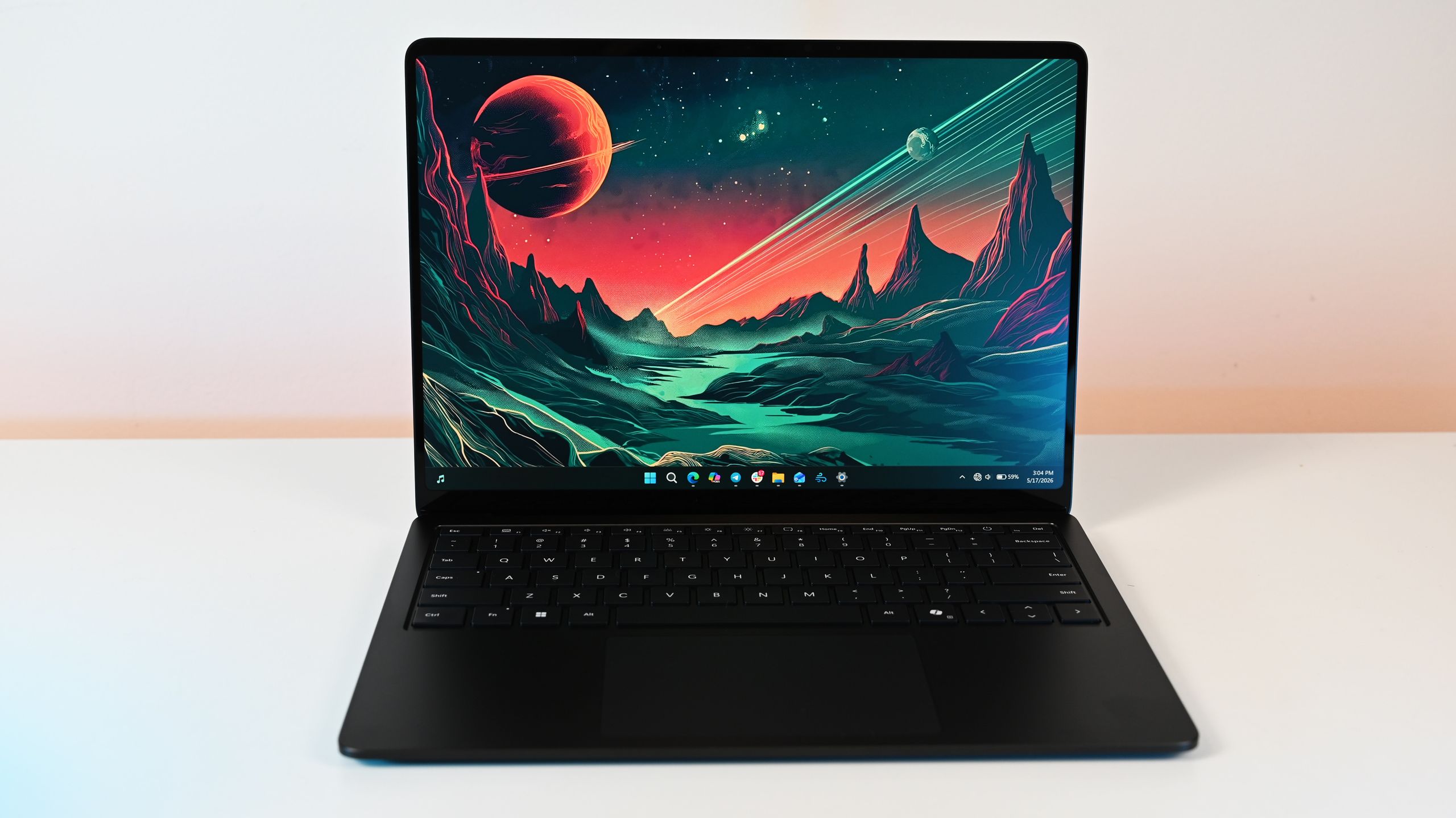
Microsoft dominated the day with three significant Surface and Windows announcements — Snapdragon X2-powered Surface Laptop 8 and Pro 12 for Business are now available, Windows 11’s long-broken search experience is finally getting a real overhaul, and the company is letting IT departments hold off on Patch Tuesday updates for longer. Meanwhile Linus Torvalds reaffirmed that the Linux kernel project is not “anti-AI,” Samsung debuted a new crease-resistant foldable display tech, and the EU floated two more moves toward automating vehicle control.
Microsoft
- Snapdragon X2 Surface Laptop 8 and Pro 12 for Business ship. Microsoft’s latest Surface hardware can now be configured with the new Snapdragon X2 Plus or X2 Elite silicon, with the Pro 12 (13-inch) 2-in-1 also getting the same chip option. The standout feature of this generation is a privacy display on the Laptop 8 — content becomes unreadable from off-angle viewing, similar to Samsung’s Galaxy S26 Ultra screen. Windows Central
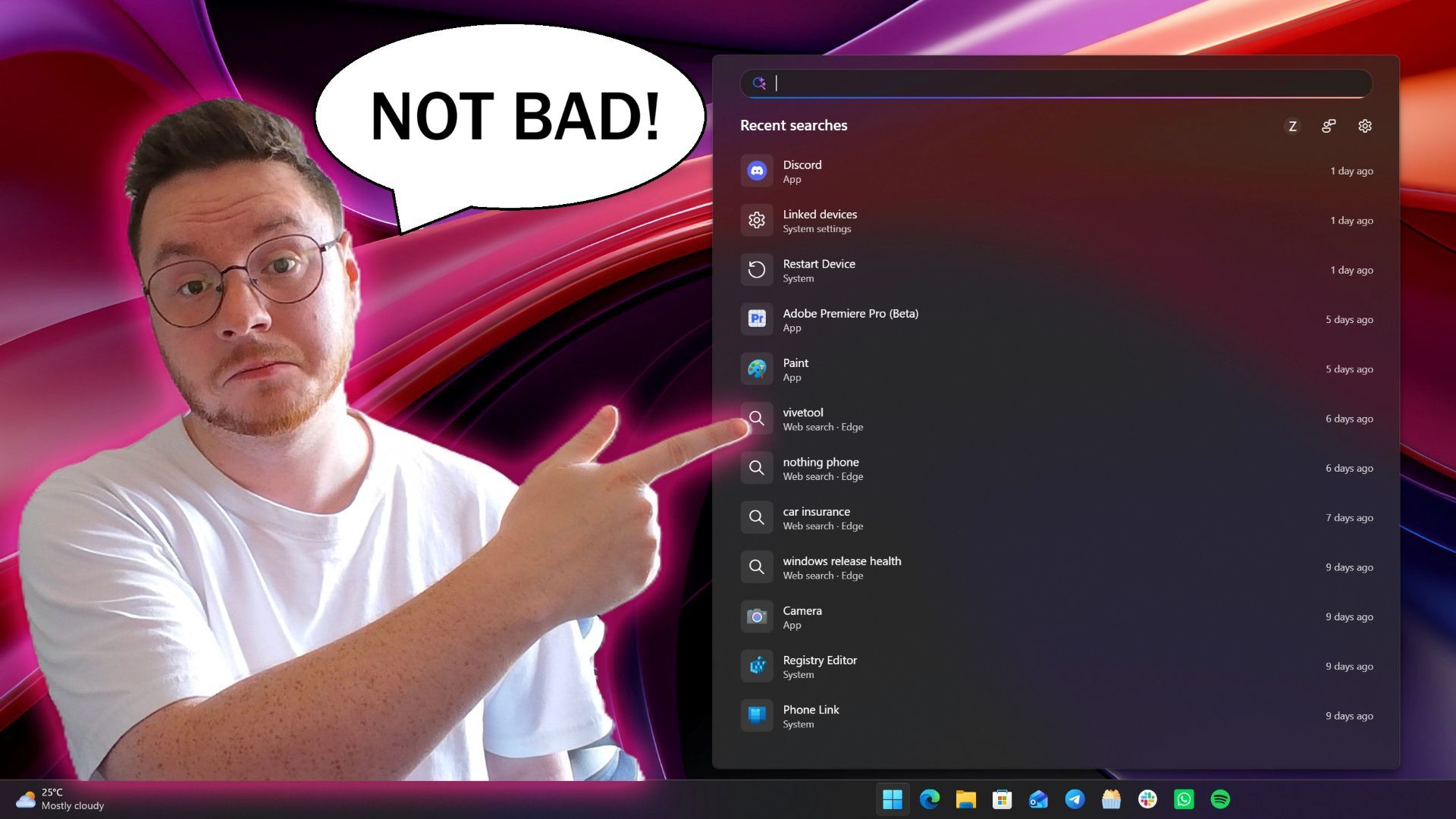
- Windows 11 search overhaul finally addresses the Bing ads. Microsoft unveiled a major overhaul designed to fix the search pane’s biggest criticisms: the new experience drops Bing ads and sponsored results entirely, replaces them with a clean list of recent searches, and categorises results so users can tell at a glance whether an item is an app, document, or setting. Early hands-on testing suggests the changes fix most of what made search on Windows feel broken. Windows Central
Gaming
- GOG reminds everyone it’s the only major PC platform still DRM-free. With Sony retiring physical discs, delisting 500 movies from UK accounts with no refunds, and Microsoft culling 3,200 Xbox developers and blocking user game libraries behind OneDrive, GOG is leaning hard into its no-DRM, you-actually-own-it pitch — every game in its catalogue stays playable forever, even if the publisher leaves the store. Windows Central
- Sony’s next PlayStation sounds increasingly handheld-shaped. With console prices soaring, Sony killing the disc, and Microsoft jettisoning studios ahead of the transition, the next PlayStation is shaping up closer to a portable than a traditional box. [The Verge]
Linux & Open Source
- Linus Torvalds pushes back on “anti-AI” framing of the kernel. In a sharply worded message, Torvalds reaffirmed that the Linux kernel project is not opposed to AI/LLM usage and isn’t a “social warrior” project, lashing back at kernel developers who have pushed back against AI tooling inside the project. Phoronix

- Linux finally surfaces Apple Magic Mouse/Keyboard battery levels over Bluetooth. New patches add battery reporting for Apple’s Magic Mouse and Magic Keyboard when connected via Bluetooth — part of the ongoing work to clean up Apple peripheral support on Linux alongside Apple Silicon SoC enablement. Phoronix
- Vocalinux 0.14 beta released for offline Linux voice dictation. The third-party speech-to-text app continues advancing alongside Canonical’s own Myna work for Ubuntu 26.10, and is usable now for users who want their own offline dictation solution on the Linux desktop. Phoronix
- FreeBSD laptop support continues steady improvement. The FreeBSD Foundation’s $750k-funded Laptop Support and Usability Project published its latest monthly progress report, with continued WiFi, GPU, and audio driver work that also benefits FreeBSD on the desktop. Phoronix
- Mesa’s KosmicKrisp Vulkan-to-Metal driver hits Vulkan 1.4. The native macOS/iOS Vulkan driver built atop Metal now advertises Vulkan 1.4 compatibility, closing another gap for gaming and compute workloads on Apple hardware. Phoronix
Hardware
- Samsung unveils Flex Titanium foldable display tech. Samsung’s next flexible display technology is slimmer, more durable, and less prone to creasing — the culmination of seven generations of foldables, and it will debut with the upcoming Galaxy Z Fold 8 and wider Z Fold. [The Verge]
- Motorola Edge 70 Max is all about battery and power. Motorola’s latest flagship targets power-intensive tasks like streaming and mobile gaming with a huge battery and Qi2 wireless charging. [The Verge]
- Home Depot’s viral 12-foot skeleton now talks. The annual Skelly upgrade for 2026 adds mobile-app-controlled sound effects to the Halloween decoration. [The Verge]
- A Playdate MMO hit 15 concurrent players at launch. PointlessQuest, a tiny MMO running on the Playdate handheld, launched to a peak audience of 15 players — and no, that’s not a typo. [The Verge]
AI/ML
- Spotify launches a conversational AI for music requests. The streaming service is rolling out an AI assistant users can talk to in natural language to request music, part of a broader push to fill feature gaps with AI-driven UX. Pplware
- OpenAI’s first hardware device won’t be a phone or glasses — sources say it’s something else. Leaks suggest OpenAI’s first physical product takes a different form factor than the rumoured smartphone or smart glasses, though specifics remain thin. Pplware
- Spotify’s Daniel Ek brings Neko Health body-scanning clinics to the US. The body-scanning startup, founded by Hjalmar Nilsonne and Daniel Ek, plans to open its first US clinic in New York this year after raising $700M from a star-studded investor group. Neko offers full-body scans and blood tests using AI and custom-built equipment to screen for skin cancer, heart disease, and diabetes. [The Verge]
Telecom & Policy
- EU pushes “grid boosters” to stop wasting clean energy. With growing amounts of solar and wind output curtailed rather than used, Brussels is backing large-scale battery storage as the answer to the EU’s clean-energy waste problem. Pplware
- European project would let satellites automatically limit a car’s speed. A new EU-backed proposal would use satellite positioning to detect speeding and throttle the vehicle’s power automatically — drivers could effectively lose control of the accelerator. Pplware
- Law school bans laptops and phones in class to fight AI. The University of Chicago Law School will prohibit first-year students from using laptops, tablets, and phones in mandatory classes this fall, in an attempt to recover attention and reasoning skills eroded by AI tools. Pplware
- Microsoft deletes a user’s 25-year-old account. A long-time Microsoft customer reports their account — and presumably everything tied to it — was wiped after 25+ years of use, with the company apparently within its rights to do so under its terms. A reminder to back up anything tied to a single-vendor identity. Pplware
- Driver overconfidence is compromising road safety, global study finds. A new report — “Safety in Motion: Driving” — shows a substantial gap between how drivers rate their own safety and how road-safety professionals assess them. Pplware
Roundup compiled from the TTRSS Tech feed. 21 articles from 5 sources summarised.