Tech News Roundup — July 16, 2026 (PM)
Platform control and software risk lead this edition: EU regulators want Google to open Android and Search to rivals, OnePlus is withdrawing from the US and Europe, and Ubuntu is warning AMD GPU users about an incoming kernel regression. Elsewhere, Claude can securely use credentials stored in 1Password, Linux maintainers debate AI-assisted kernel work, and new hardware ranges from Xiaomi’s Android 17 rollout to AMD’s value-focused Ryzen 7 7700X3D.
Google/Android
EU orders Google to open Android and Search to rivals. European regulators have directed Google to give competing AI assistants and search engines greater access to Android and Google Search. Google must begin sharing search data by January 2027 and implement the Android changes by July 2027, potentially weakening the company’s control over Gemini distribution and two of its most important platforms. [The Verge]
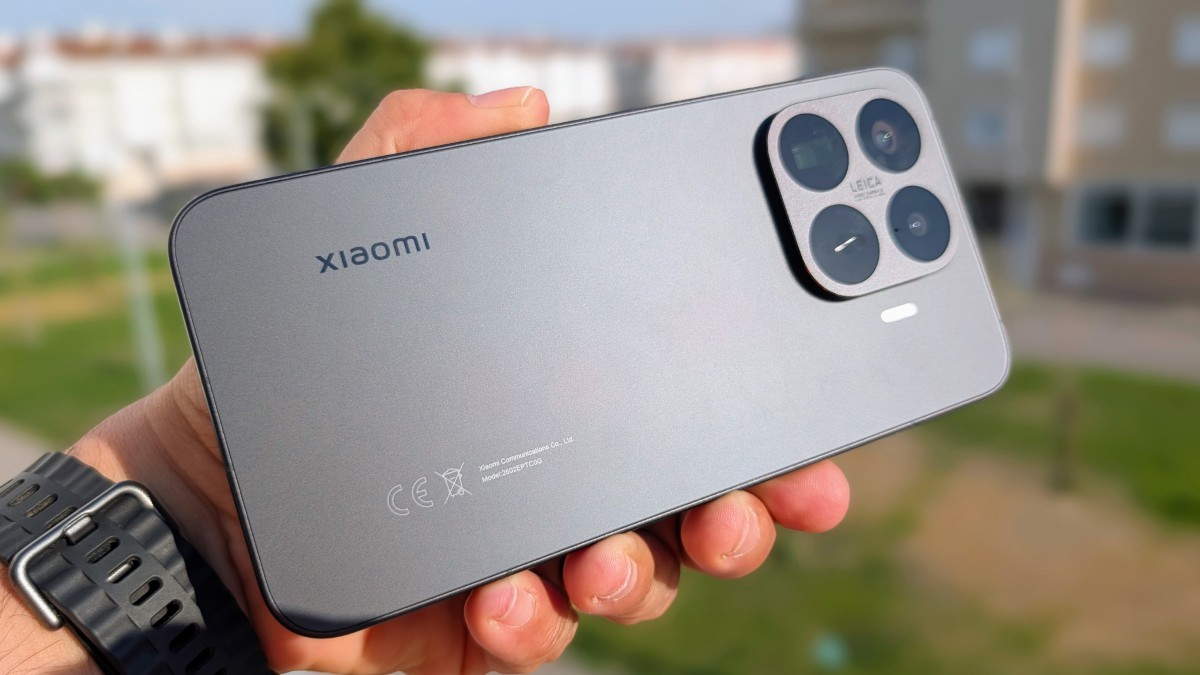
Xiaomi begins rolling out HyperOS 3.3 with Android 17. Xiaomi has started distributing its latest HyperOS update to an initial group of smartphones while work continues toward a larger fourth-generation redesign. The release gives eligible devices early access to Android 17 and the newest Xiaomi firmware changes.
Samsung Galaxy Z Flip 8 leaks ahead of launch. Leaked images suggest Samsung’s next clamshell foldable will closely resemble the Z Flip 7, pairing an Exynos 2600 with faster 45W wired charging rather than moving to Snapdragon. The modest year-on-year changes surfaced about a week before Samsung’s expected launch event. [The Verge]
OnePlus is leaving the US and Europe. Multiple reports say the smartphone maker is withdrawing from both Western markets, closing a chapter in which it struggled for carrier access and mainstream reach in the US. The Verge’s analysis argues that structural market barriers gave the brand little chance, while Pplware describes the move as a radical restructuring of the company.
Pplware [The Verge] [The Verge]
Gaming

Final Fantasy Resonance shows off its HD-2D world. Square Enix’s new trailer highlights turn-based battles, classic overworld exploration, expressive pixel-art characters, and summons based on earlier Final Fantasy protagonists. The game is due October 22 on Xbox Series X|S, PlayStation 5, Switch, Switch 2, and PC.
Xbox Ultimate Game Sale 2026 goes live. Microsoft’s summer promotion runs through July 29 with discounts spanning current Xbox consoles, Xbox One, backward-compatible Xbox 360 games, and Windows titles. The catalogue includes Final Fantasy, Resident Evil, Silent Hill 2, Death Stranding, first-party Xbox games, and a broad selection of indies.
Linux & Open Source
Linus Torvalds rejects an anti-AI stance for the Linux kernel. Responding to debate around AI-assisted review tooling, Torvalds said AI is a useful tool and maintainers should focus on making it reduce workload rather than banning others from using it. He stressed that nobody is being forced to adopt AI, but technical merit—not ideology—will guide kernel-project decisions.
Ubuntu warns of an AMD GPU regression as large as 42×. The Ubuntu Kernel Team says an upcoming point release for Ubuntu 26.04 and the Ubuntu 24.04 HWE stack carries an upstream Linux 7.0 regression that can devastate compute-heavy AMD GPU performance. A fix is already moving upstream, but affected users should watch the rollout carefully.
Linux support expands for rugged GETAC laptops. A proposed minimal ACPI driver would activate programmable hardware buttons on GETAC systems used in public safety, defence, manufacturing, and energy-sector environments.
Apple’s vintage SWIM floppy controller gets fresh Linux work. A substantial patch series improves performance and fixes problems in the driver for the Super Woz Integrated Machine controller found in old Macs—an unusually deep retro-hardware maintenance effort.
PowerVR firmware lands upstream for the T-Head TH1520. The central
linux-firmwarerepository now carries the binary needed to enable the Imagination PowerVR BXM-4-64 Rogue GPU in Alibaba’s RISC-V-oriented TH1520 SoC.
AI/ML
Claude can use credentials from 1Password. A new browser integration lets users authorize Claude to complete multi-step online tasks such as travel booking and account management with credentials stored in 1Password. The companies say a “zero-exposure” framework injects the required secrets without revealing them to Anthropic’s models, though the expansion of agentic access raises the stakes for permissions and auditability. [The Verge]
AI vendors court police departments with workflow automation. A report from the International Association of Chiefs of Police technology conference examines companies selling systems that automate routine police work—including steps that feed directly into the legal process. The pitch is efficiency; the concern is that opaque AI could become embedded in consequential law-enforcement decisions. [The Verge]
Hardware
AMD’s Ryzen 7 7700X3D targets value-focused Linux gamers. The new Zen 4 processor combines eight cores, 16 threads, a 4.5GHz boost clock, and 104MB of cache for about $329. It becomes AMD’s lowest-priced currently marketed 3D V-Cache gaming chip, with Linux benchmarks testing how much value the older architecture still offers.
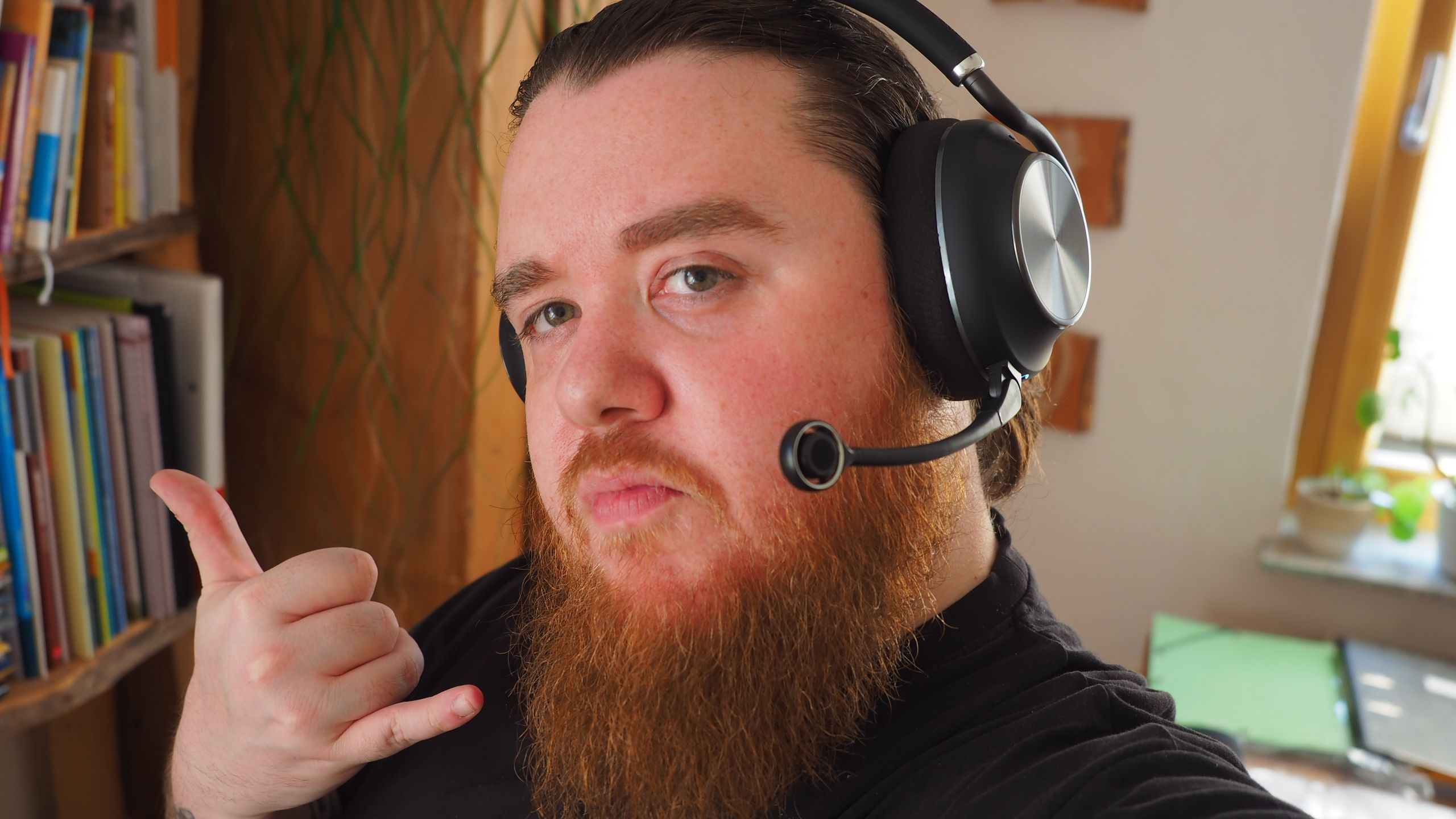
Turtle Beach Stealth Pro II pushes into premium everyday audio. The $349.99 headset pairs 60mm dual drivers, 24-bit/96kHz wireless audio, Bluetooth 5.3, active noise cancellation, and two swappable 40-hour batteries. The review praises its sound, understated metal design, and cross-platform flexibility, while flagging the tight mesh headband as its main comfort weakness.
Telecom
Canada’s proposed social-media ban could force age checks on everyone. A planned law would restrict minors’ access to social platforms, but its verification mechanism is drawing wider privacy criticism because adults may also have to prove their age. The debate illustrates the recurring tension between child-safety rules and universal identity checks.
In Brief

Alpine demonstrates the electric A110 FUTURE at Goodwood. The French manufacturer publicly ran its future electric sports car in dynamic conditions for the first time, positioning it as an EV intended to compete with leading combustion-powered sports cars.
The 20-20-20 rule offers a simple screen-fatigue break. The eye-care technique recommends looking at something roughly 20 feet away for 20 seconds after every 20 minutes of screen use, helping interrupt prolonged near-focus strain.
Ashgabat’s white-car rule remains one of motoring’s strangest restrictions. Turkmenistan’s capital has barred coloured cars since 2015 and also polices vehicle cleanliness, leaving its streets dominated by white vehicles without a clear official explanation.
Roundup compiled from the TT-RSS Tech feed. 21 articles from 4 sources summarized across 19 story clusters.