
Tech News Roundup — July 28, 2026 (PM)
Apple takes the week’s biggest swing with a US leasing scheme called “Upgrade” that reframes the iPhone, Mac, and iPad as subscription hardware. ASUS quietly drops a business laptop that’s interesting enough to recommend past the corporate-buyer set. Perplexity ports its agentic Personal Computer to Windows, and a small Linux kernel patch delivers a 31% lift in 1% low frame rates. Elsewhere: a Dragon’s Dogma 2 mod unlocks the four-player co-op Capcom never shipped, the XBOX Adaptive Joystick marks a year of accessible-gaming wins, OPPO’s Reno16 Pro arrives as a compact 200 MP flagship, and KDE finally fixes a decade-old small-file copy bug.
Apple & Mobile
Apple launches “Upgrade” leasing program in the US. Customers can now take home a new iPhone, Mac, iPad, or Apple Watch on a subscription model that works like a car lease — keep the device at the end of the term, pay it off early, or upgrade to the latest model. The launch lands weeks after Apple raised MacBook and iPad prices in response to memory and storage supply pressure. [The Verge]
Apple reportedly weighs pushing its smart-glasses reveal to WWDC 2027. Privacy concerns have stalled work on the Meta-Ray-Bans competitor; the WWDC 2027 stage is now the most-cited target. [Pplware]
Hardware

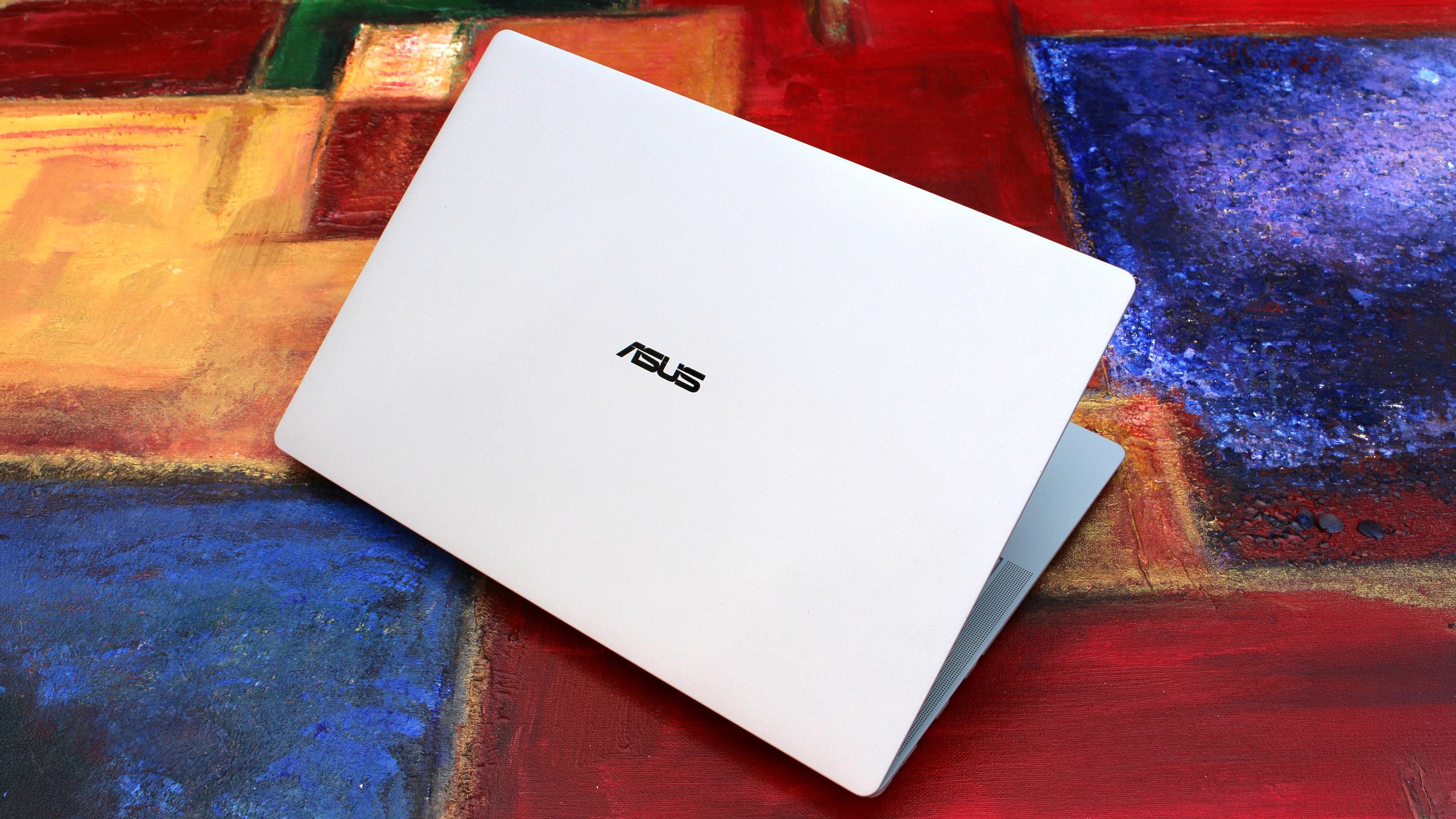
ASUS ExpertBook Ultra lands as the rare business laptop that’s actually exciting. Built with premium materials and a thin-and-light chassis, it reads more like a consumer flagship than an enterprise tool. Windows Central’s reviewer walked away impressed — though the price tag makes it a tough blanket recommendation even for its target market. [Windows Central]
OPPO Reno16 Pro review: a compact flagship with a 200 MP camera. OPPO’s mid-year release pairs a small, pocketable body with high-end specs and a headline camera, landing in a category that’s been dominated by larger devices. [Pplware]
AI & Software

Perplexity’s Personal Computer comes to Windows. The agentic AI tool that debuted on macOS in April now lets Windows users delegate documents, spreadsheets, and local-file actions to a “general-purpose digital worker,” backed by integrations with Microsoft 365 and Perplexity’s own Computer Use feature. [The Verge]
Hugging Face is hosting models that produce non-consensual undressing deepfakes. A new investigation shows that nudify and undress-style apps are leveraging public models on the platform with minimal friction. The platform isn’t doing much about the sexualized outputs. [The Verge]
Smart rings are turning into a viable AI input device. David Pierce’s stream index argues that LLM-era dictation has finally gotten good enough that a ring with a mic, a tiny haptic surface, and a few hours of battery is enough to make voice-first AI feel natural on the go. [The Verge]
Gaming
Dragon’s Dogma 2 gets a community 4-player co-op mod. Capcom never shipped the four-player mode the series was architecturally built around; an upcoming PC mod is about to fill that gap, addressing one of the more notable missed-feature complaints in the franchise. [Windows Central]
Logitech keeps G Cloud 2 on ice. New gaming chief Robin Piispanen likes handheld gaming but has no immediate successor planned — the focus stays on PC accessories rather than a second-generation cloud handheld. [The Verge]
Accessibility
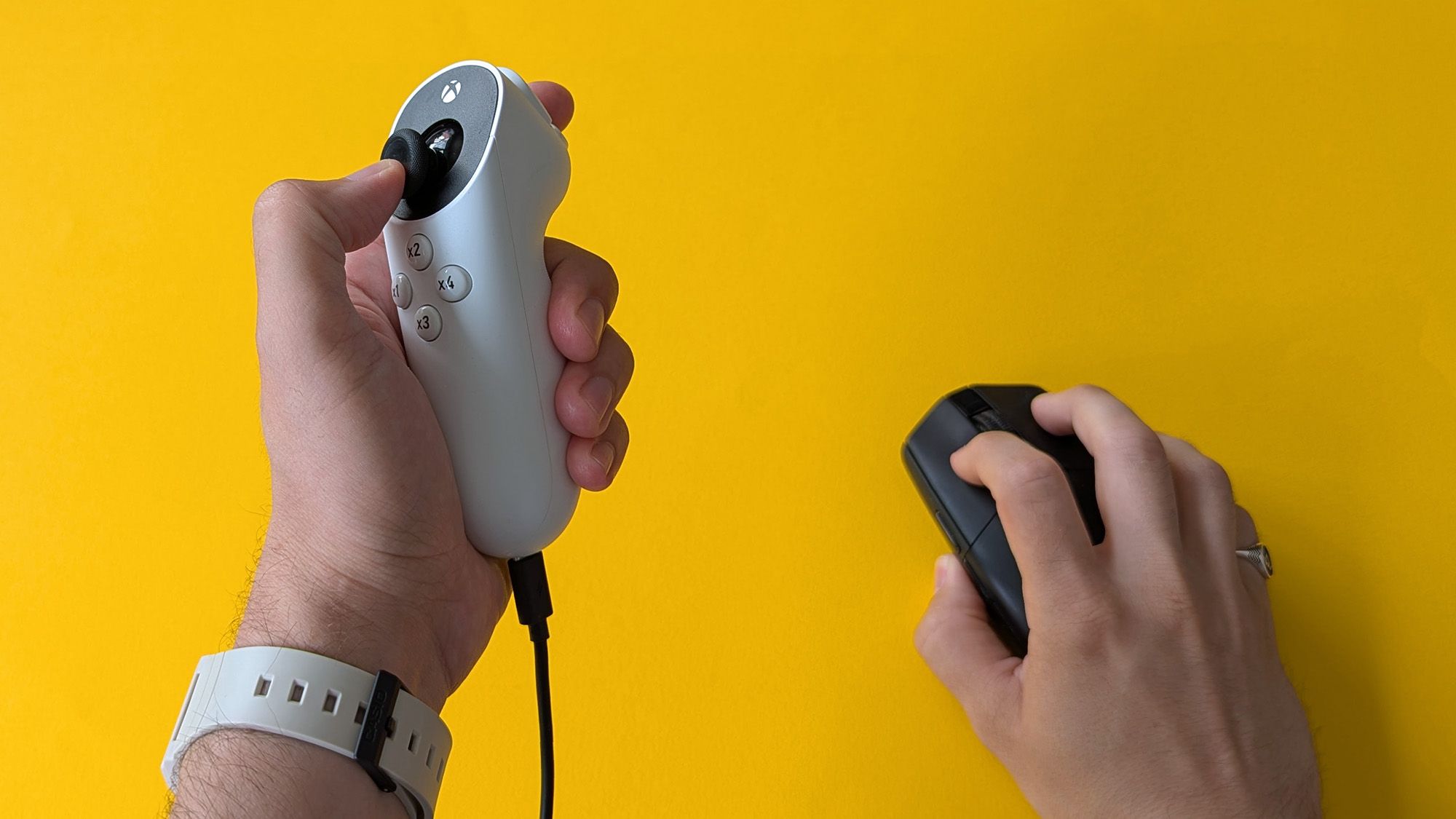
- One year in, the XBOX Adaptive Joystick remains a quiet accessibility win. At $30, the small-form-factor joystick has enabled a generation of players with hypermobility and other connective-tissue conditions to enjoy MMO and strategy games; Microsoft’s own broader accessibility efforts have slowed down over the same period. [Windows Central]
Linux & Open Source
A new Linux kernel patch boosts 1%-low FPS by 31% on the Steam Deck. Per-core Energy Performance Preference (EPP) boosting for recently-busy CPUs targets the worst-case frame stalls in Linux gaming, with a measured 31.8% improvement in 1% lows. [Phoronix]
KDE finally closes a 10-year bug on ridiculously slow small-file copies. A Dolphin / KIO regression that made copying large directories of small files orders of magnitude slower than
cporrsynchas been the subject of an open KDE bug since 2014; a fix is now landing. [Phoronix]Linux’s
crypto_rngabstraction layer is next up for removal. The kernel crypto cleanup continues with another legacy abstraction slated for the chopping block alongside the AF_ALG trimming. [Phoronix]ASUS Laptop “Whisper Mode” support is being wired up for Linux. The open-source ASUS Armoury driver will gain patches for the quiet-fan / under-clocked mode that currently only Windows machines can engage. [Phoronix]
In Brief
- JisuLife Life10 S handheld fan beats the heat for under $30 — a non-sponsored answer to the $99 Dyson knockoff that influencers keep pushing. [The Verge]
- Twelve South’s Qi2 wireless charging tray gets a smaller footprint and a leather trim. A sequel to the CES 2026 launch, the Valet charger now delivers more wattage with a slimmer profile. [The Verge]
- Fluge set a new Flightradar24 record for commercial flights tracked in a single day on July 23. [Pplware]
- Portugal’s Health Ministry pushes back on rumors of a 100-ambulance cut to INEM emergency services; no such plan exists. [Pplware]
- A blind woman regains sight after an experimental stem-cell cornea transplant in a procedure that may mark a turning point for some forms of blindness. [Pplware]
- A 1990s Fiat Panda has been narrowed to 50 cm wide in an Italian creative-engineering project — barely fits a driver and still road-legal. [Pplware]
- Window mounted ultrawide vs standard widescreen, ten years on — Cale Hunt recounts going back to a regular 16:9 panel after a decade on 21:9. [Windows Central]
Roundup compiled from the TTRSS Tech feed. 22 articles from 4 sources clustered.