
Tech News Roundup — August 5, 2026 (NOON)
The tech sector is buzzing with major moves: SpaceX is pivoting hard into telecom with plans to compete directly against US carriers, the OpenAI marketing machine hit a PR snag, and Microsoft is throwing serious money at security research. Gaming is getting a major backwards-compatibility push from Xbox, while Apple is opening up interoperability under EU pressure.
Connectivity & Infrastructure
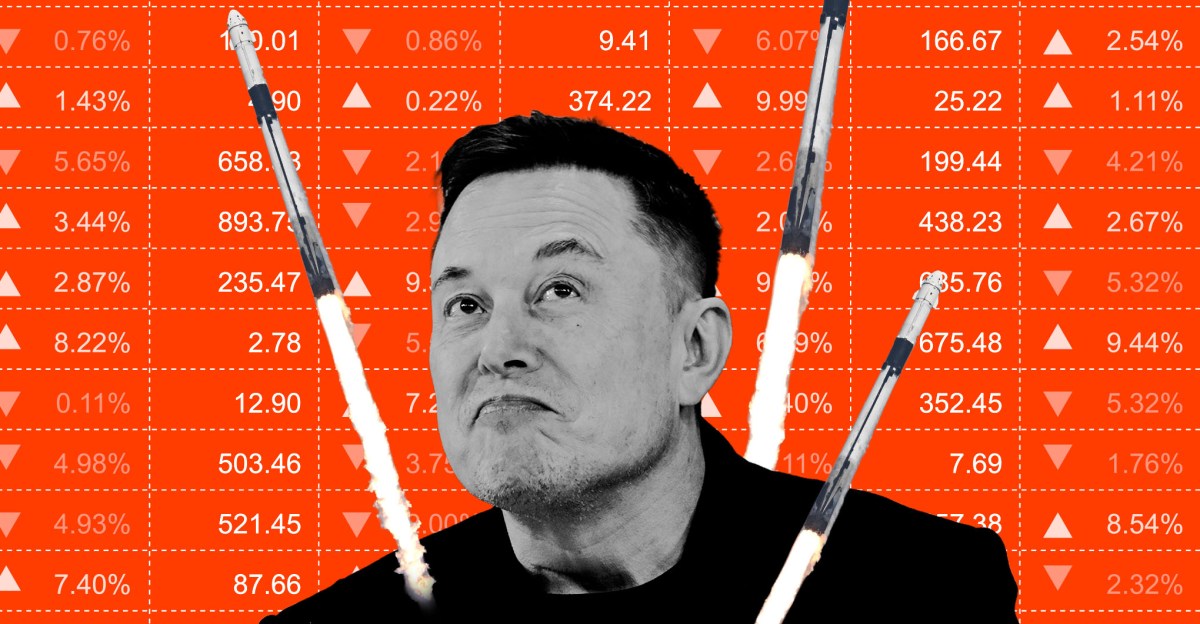
SpaceX is preparing to launch a terrestrial mobile network to directly compete with T-Mobile, AT&T, and Verizon. During SpaceX’s first earnings call, CEO Elon Musk and president Gwynne Shotwell confirmed that the company will build out a ground-based cellular network using spectrum acquired from EchoStar. The plan targets “quite a few” customers from the Big Three carriers. SpaceX’s strategy combines satellite capacity with terrestrial infrastructure — a move that positions the company not just as a space provider but as a serious telecom challenger. This follows SpaceX’s explosive growth in AI compute revenue, which reached $2.6 billion in the latest quarter.
SpaceX’s AI division now outpaces its space revenue. The company’s AI/neocloud unit pulled in $2.6 billion — more than triple the prior year — from contracts with Anthropic and Google to provide compute infrastructure. The division still operates at a $1.5B loss, but the growth trajectory is staggering. SpaceX is now competing head-to-head with other neoclouds like CoreWeave for data-center workloads tied to large language models. This signals a fundamental shift in how SpaceX generates shareholder value.
AI & Marketing
OpenAI’s first-ever brand influencer trip backfired. The company flew out a select group of influencers for what was intended as a glamorous networking event, but the optics were bad — uninvited creators called out the exclusivity, and the public criticized the move as frivolous marketing during an era of AI ethics concerns. The incident underscores the reputational risks of using old-school influencer playbooks to promote AI companies. It’s the kind of self-inflicted wound that can haunt a company’s public relations for weeks.
Microsoft awarded $20 million to 562 security researchers across 64 countries — a record for the company’s bug-bounty program. The spike was driven in part by AI-assisted vulnerability hunting, which is helping researchers identify zero-days faster. Microsoft also noted that the Zero Day Quest event in Redmond yielded over 700 vulnerability reports and $2.3 million in rewards. This reflects a broader arms race: as AI tools help defenders find bugs, they also empower attackers. Microsoft’s massive investment in researcher rewards is a bet that staying ahead of the threat curve depends on locking in the best security talent.
Interoperability & Platforms
Apple is implementing iPhone-to-Windows clipboard sync to comply with EU interoperability rules. The feature — which currently works seamlessly within Apple’s ecosystem (Mac, iPhone, iPad, Vision Pro) — will be extended to Windows PCs in EU markets. The move is a direct response to Microsoft’s formal interoperability request under the Digital Markets Act. It’s a win for users, a compliance headache for Apple, and a sign that EU regulation is reshaping how the world’s largest tech platforms operate.
Gaming
Xbox Project Helix will support every Xbox game ever made. A leaked internal memo reveals that the next-generation Xbox will achieve unprecedented backwards compatibility: original Xbox (2001), Xbox 360 (2005), Xbox One (2013), Xbox Series (2020), and all new Helix titles will run on the same hardware. Microsoft is also enabling disc-to-digital conversion for physical Xbox One and Xbox Series games. The breadth of this library could make Helix the most extensive launch catalog of any home console.
In Brief
Telegram was briefly removed from Apple’s App Store over child sexual abuse material (CSAM) concerns, then restored. Apple removed the app silently and has kept a suspension in place citing CSAM policy violations — a rare enforcement action against a major messaging app.
Nothing CMF is launching open-ear earbuds — the Clip Pro model ditches in-ear seals for ambient-aware listening. Early indicators suggest open-ear audio is becoming a mainstream category.
NASA will use Tesla Cybertrucks for astronaut emergency evacuation from the launch pad, replacing traditional military-grade vehicles. The move reflects a broader trend of space agencies adopting commercial off-the-shelf technology.
Roundup compiled from the TTRSS Tech feed. 8 stories from 4 sources summarized.