
World News Roundup — July 8, 2026 (PM)
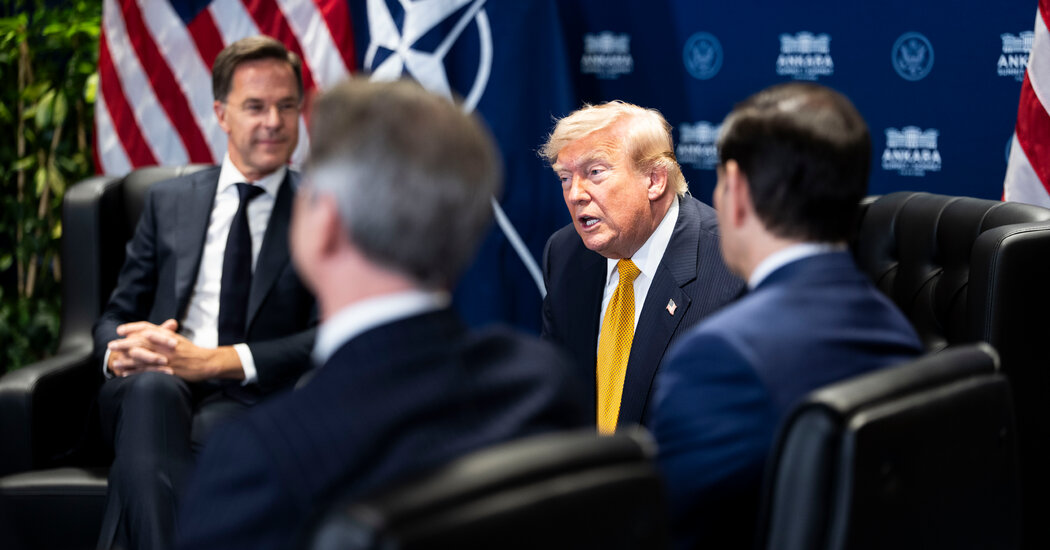
The NATO summit in Ankara heads into its second day under the shadow of renewed US pressure on the European allies, with President Trump openly threatening to “cut off all trade” with Spain, demanding the United States take over Greenland, and laying the groundwork for a high-stakes meeting with Volodymyr Zelensky as Russia pounds Ukrainian cities. Beyond the summit, OpenAI is preparing to publicly release its GPT-5.6 model family, ending a stretch of government-requested limits, while a Pakistani Boeing cargo plane disappears over the Arabian Sea and twin blasts rock Damascus during Emmanuel Macron’s visit. Investors look ahead to the Fed’s June meeting minutes, a long list of major analyst calls, and a rebalancing of the Strait of Hormuz shipping outlook after the latest escalation.
NATO Summit & Western Security
- Trump tells allies to “cut off all trade” with Spain. The New York Times says a move against Madrid would face political, legal and practical obstacles, would likely provoke a wider EU trade war, and could roil markets — but the threat is now on the table at the Ankara summit. [NYT] [CNBC] [Al Jazeera]
- Denmark’s Frederiksen: “We will defend the kingdom.” Hours after Trump repeated his call for US control of Greenland, the Danish prime minister publicly vowed to defend “every inch” of NATO territory, hardening the Nordic line at the Ankara gathering. [NYT]
- NATO summit hands Trump a fresh stage for old grievances. Day two of the Ankara meeting opens with the US president once more publicly scorning allies on defense spending, Article 5 ambiguity, and the value of the post-Cold War order. [NYT] [NYT]
- Tensions rise between Russia and NATO’s European members. After a brutal week of Russian attacks on Ukrainian cities, the alliance’s eastern flank is bracing for follow-on moves as Kyiv’s delegation flies to Ankara. [NYT]
- Zelensky to meet Trump at the summit. The Ukrainian president arrives in Ankara with a renewed list of air-defense and ammunition demands, after a week of Russian strikes on Kharkiv, Sumy and Dnipro. [NYT] [NYT]
Middle East
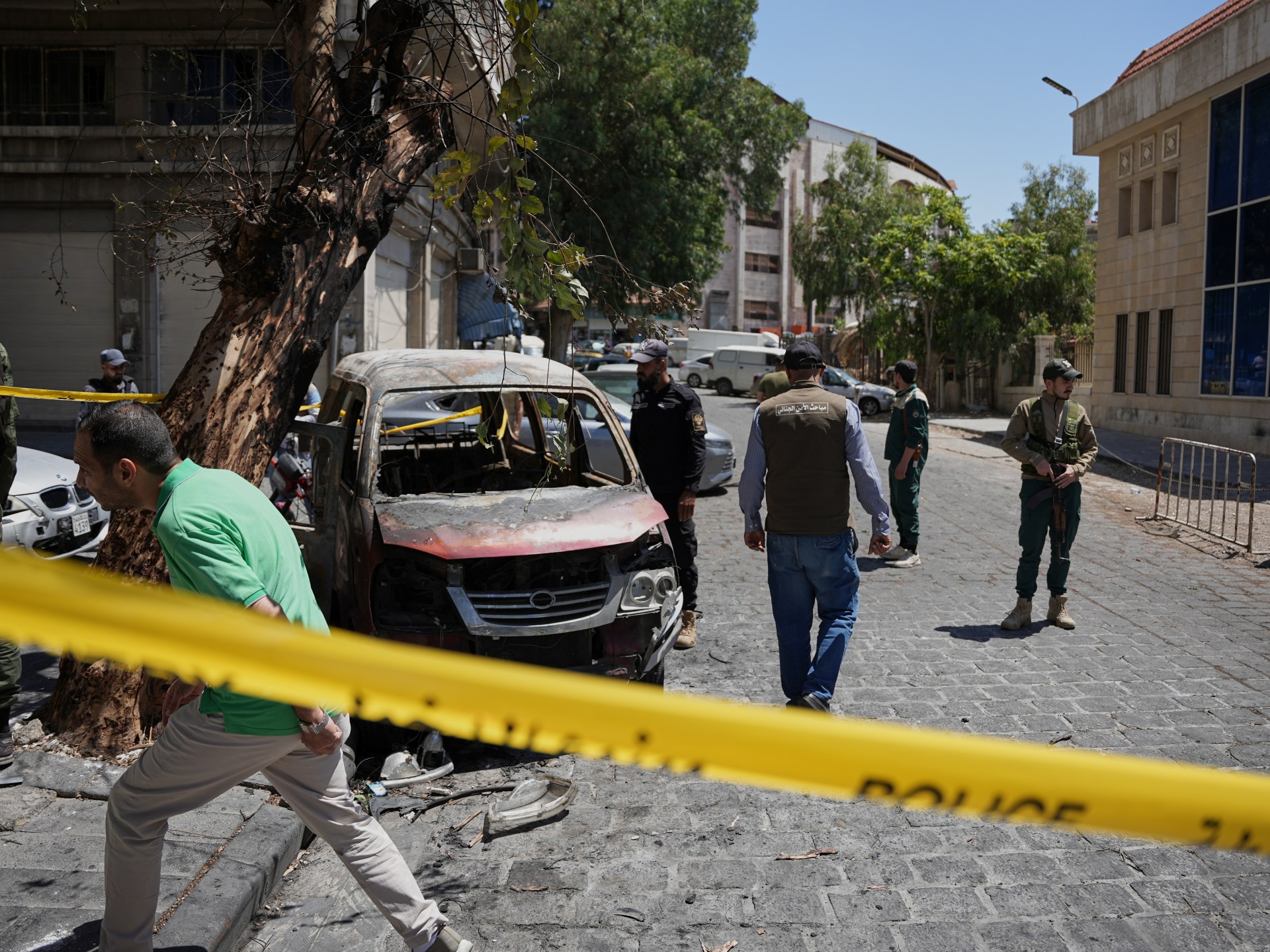
- Twin blasts hit Damascus during Macron’s visit. One person was killed and 36 wounded in the Syrian capital on Wednesday, hours after French President Emmanuel Macron landed; Macron, who continued with his programme, said Syria must not be “destabilised” by the attacks. [Al Jazeera] [Al Jazeera]
Asia-Pacific
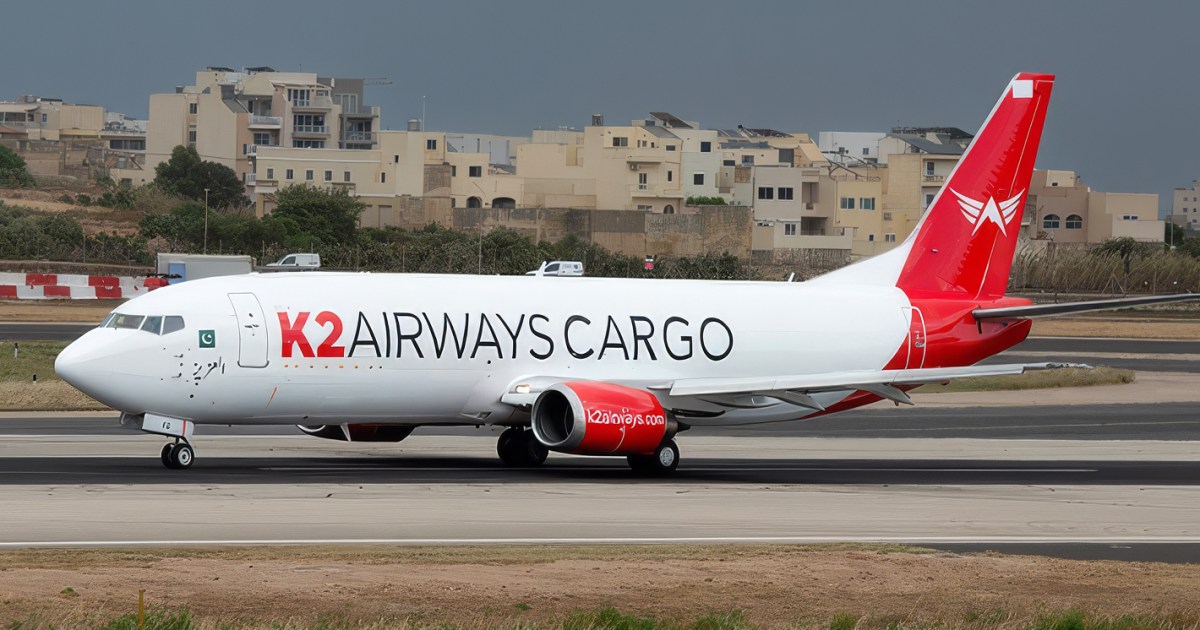
- Pakistan searches for a Boeing cargo plane lost over the Arabian Sea. A Karachi-bound aircraft went silent with air traffic control after reporting a navigation-system fault, with search operations now spanning the southern coast and sea lanes. [Al Jazeera] [NYT]
Europe
- Farage resignation threatened by a “trash can” candidate. Nigel Farage faces a potential special election in Clacton after UK parties vowed to boycott his by-election fight, leaving him facing off against a candidate costumed as a refuse bin amid an investigation over an undisclosed gift. [NYT]
- A French firefighter dies as European wildfires flare again. A 22-year-old was killed in southern France as the continent’s heatwave-driven fire season continues, with Madrid, Athens, and the Balkans also issuing alerts. [Al Jazeera]
- Marine Le Pen’s return sidelines her protégé — for now. The NYT profiles the uneasy alliance between Le Pen and her former heir, Jordan Bardella, and whether the National Rally can reunite ahead of the 2027 presidential cycle. [NYT]
- UK asylum seekers face “hefty repayment bills” for their journey. An Al Jazeera investigation shows the government’s “move-on” support scheme leaves many ex-asylum seekers owing thousands of pounds to the Home Office, deepening the risk of homelessness after status is granted. [Al Jazeera]
Africa
- Nigeria’s counterterrorism gains carry a warning. Al Jazeera reports that despite a sharp drop in Boko Haram and ISWAP attacks, the security forces’ reliance on local vigilante networks and airstrikes is creating new grievances in the north-east. [Al Jazeera]
- For Congo’s rebels, Ebola could help cement their rule. The NYT reports that a flare-up of the virus in eastern DRC has become both a public-health emergency and a tool of local governance for M23-adjacent armed groups. [NYT]
Science & Health
- WHO: cancer cases could nearly double by 2050 without urgent action. Tobacco, alcohol, obesity and air pollution are driving a global surge that the World Health Organization says will push annual diagnoses to more than 35 million by mid-century, with low-income countries shouldering the steepest rises. [UN News]
- Employers quietly find ways around GLP-1 obesity-drug coverage. CNBC’s “Healthy Returns” column reports that US companies are using carve-outs, prior-authorization hurdles, and bespoke wellness programs to limit the cost of Wegovy and Zepbound, even as demand soars. [CNBC]
AI & Big Tech
- OpenAI to publicly release GPT-5.6, ending government-requested limits. The company confirmed it will drop the public version of its latest model family on Wednesday, a week after Anthropic restored access to its own models following a weeks-long clash with regulators. [CNBC] [CNBC]
- Apple commits $30 billion to Broadcom for US chipmaking. The iPhone maker is expanding its multi-year partnership with Broadcom in what Cupertino calls its largest American manufacturing commitment to date, with a focus on custom AI and networking silicon. [CNBC]
- China warns about AI risks with Anthropic’s Claude Code. Beijing’s cyber regulators have published a fresh advisory on the use of foreign coding agents, citing data-leak concerns and urging state-owned enterprises to audit Claude and similar tools. [CNBC]
- Blue Origin valued at $130 billion in first public fundraising. Jeff Bezos’s space company is raising new capital at a valuation that briefly surpasses several traditional defense primes, with the round led by existing investors. [CNBC]
- Temasek hits a record portfolio value, eyes more AI investment. Singapore’s state investor says it will double down on AI, infrastructure and private credit as its net portfolio value crosses a new high. [CNBC]
- Samsung-backed Rebellions targets a 2027 South Korean IPO. The AI-chip challenger told CNBC it is preparing to list in Seoul next year, joining SambaNova and a wave of Nvidia competitors chasing capital. [CNBC]
Economy
- Stock futures steady as investors weigh Iran risk and await the Fed. Premarket trade saw United Airlines, Micron and Chevron among the biggest movers as traders looked past the latest Middle East strikes and toward the afternoon’s FOMC minutes. [CNBC] [CNBC] [CNBC]
- Why the oil-market reaction “is not worse.” Analysts tell CNBC that the Strait of Hormuz trading outlook, plus the absence of a wider regional blockade, has kept crude and equity volatility contained after the latest escalation. [CNBC] [CNBC]
- Fed minutes to show a “family fight” over rates. The June meeting release is expected to highlight a divided FOMC, with a number of members still arguing for cuts before year-end even as headline inflation re-accelerates. [CNBC]
- Manhattan office leasing posts its strongest gains in 20 years. Q2 2026 absorption topped 12 million square feet, the highest quarterly figure since 2006, as financial-services tenants recommit to trophy space. [CNBC]
- Weekly mortgage demand drops as rates stay stuck in a narrow range. The Mortgage Bankers Association said applications fell 2.4% last week, with the average 30-year fixed rate hovering near 6.9%. [CNBC]
Sports
- The biggest takeaways from the World Cup’s round of 16. Al Jazeera reviews the dramatic final matches of the knockout’s first phase, including the VAR-tinged Argentina–Egypt tie and Switzerland’s march to the last eight. [Al Jazeera]
- Quarterfinal lineup: France vs Morocco, England vs Switzerland. A full schedule and key talking points as the World Cup enters its last eight, with the Golden Boot race led by Messi, Mbappé and Haaland. [Al Jazeera] [Al Jazeera] [Al Jazeera]
- European MPs call for a probe of FIFA’s Infantino. A cross-party group in the European Parliament is demanding an investigation into the FIFA president’s role in a “red card suspension” affair and the broader governance of the world body. [Al Jazeera]
Americas
- Beshear presses McConnell for a health update. Kentucky’s Democratic governor is publicly calling on Senate colleagues to demand transparency about the minority leader’s hospitalisation, amid growing concern in Washington. [CNBC]
- Mars recalls Pedigree cans that slipped past quality control. Mars Petcare pulled cans of dog food that may contain plastic or metal fragments, which were supposed to be destroyed but ended up on US shelves. [NYT]
- Trump opposes Carroll’s $5 million damages verdict at the Supreme Court. The Justice Department has filed a late-stage brief backing the president’s last-ditch bid to overturn the writer’s civil award. [CNBC]
In Brief
- The Albanian island “inspiring Ivanka’s fantasy.” The NYT profiles the tiny Sazan Island, where the former first daughter’s family has reportedly explored a luxury resort plan. [NYT]
- Why can’t we count our dead? An Al Jazeera video feature explores how the global death toll is more of an estimate than a real count, with most of the world’s dead never making the official record. [Al Jazeera]
- General Motors has underperformed in 2026 — JPMorgan sees a comeback. The Wall Street bank upgrades GM, citing margin discipline, EV cost cuts, and a stronger US truck cycle. [CNBC]
- A Berkshire-backed oil and gas producer could benefit from a strategy shift. Evercore ISI says Diamondback’s capital-return pivot positions it well for any sustained crude-price rebound. [CNBC]
- Delta launches “basic business” fares. The carrier will roll out a stripped-down business-class ticket without lounge access or seat selection on transatlantic routes, in a play for price-sensitive corporate buyers. [CNBC]
- This telecom giant could lose ground to SpaceX’s Starlink, Wells Fargo says. The bank cuts its rating on a major US carrier, citing accelerating satellite-broadband cannibalisation. [CNBC]
- Halo stocks are benefiting from the AI boom, Goldman Sachs says. The bank’s European research team highlights a basket of legacy industrial and energy firms that have ridden the AI capex wave. [CNBC]
- SambaNova hits an $11 billion valuation as investors back Nvidia challengers. The data-center AI chip firm closed a fresh funding round led by venture and sovereign-wealth funds. [CNBC]
- This former Apple executive is betting on Shenzhen to create “the next Apple.” A profile of a veteran product designer who returned to China to launch a consumer hardware startup in the city’s hardware supply chain. [CNBC]
- Why have half a million Russians gone bankrupt amid the Ukraine war? Al Jazeera investigates the human cost of sanctions, mobilisation, and an economy now under long-term war footing. [Al Jazeera]
- Lebanon’s war-weary returnees find devastation. UN News reports from villages in the south where returning residents face ruined homes, missing infrastructure, and a long reconstruction bill. [UN News]
- Andy Burnham’s theory of devolution for Britain. The Greater Manchester mayor outlines his plan to push Whitehall power out to England’s regions, and what Labour would need to do to make it stick. [CNBC]
- Does the UK really offer the least generous state pension in Europe? A new comparison from the World News outlet ranks Britain’s basic state pension against its OECD peers, with caveats. [Al Jazeera]
- Australian World Cup star Mabil fires back at a far-right politician. The Socceroos winger responds to a Pauline Hanson social-media post with a pointed on-camera rebuttal. [Al Jazeera]
Roundup compiled from the TTRSS NEWS feed. 64 articles from 7 non-Iran sources processed; 136 filtered out as Iran-conflict coverage and handled by the dedicated Iran cron. 8 cluster representatives read in full, the remainder clustered by headline.