
World News Roundup — July 11, 2026 (PM)

A speedboat capsized off the southern Vietnamese island of Phu Quoc killing 15 Indian tourists, while Super Typhoon Bavi — now weakened but still dangerous — forced the evacuation of more than a million people from coastal China. In Europe, Russia struck Kyiv with ballistic missiles and a 121-drone barrage in one of the deadliest months of the war, and Spain’s San Fermín bull-running festival left a runner gored in the face. Elsewhere: a Trump-administration subpoena of New York Times reporters over Air Force One reporting drew fresh press-freedom criticism, Mexican president Claudia Sheinbaum confronts cartels and the legacy of 1968, and the World Cup quarterfinals get under way with England-Norway and Argentina-Switzerland.
Asia-Pacific
Vietnam tourist boat capsizes, killing 15. A speedboat carrying 36 people — most of them Indian tourists — overturned near Phu Quoc in southern Vietnam on Friday. Local media reported 15 deaths with the others rescued; the Indian embassy said it has set up control rooms to coordinate with victims’ families. [NYT] [Al Jazeera]
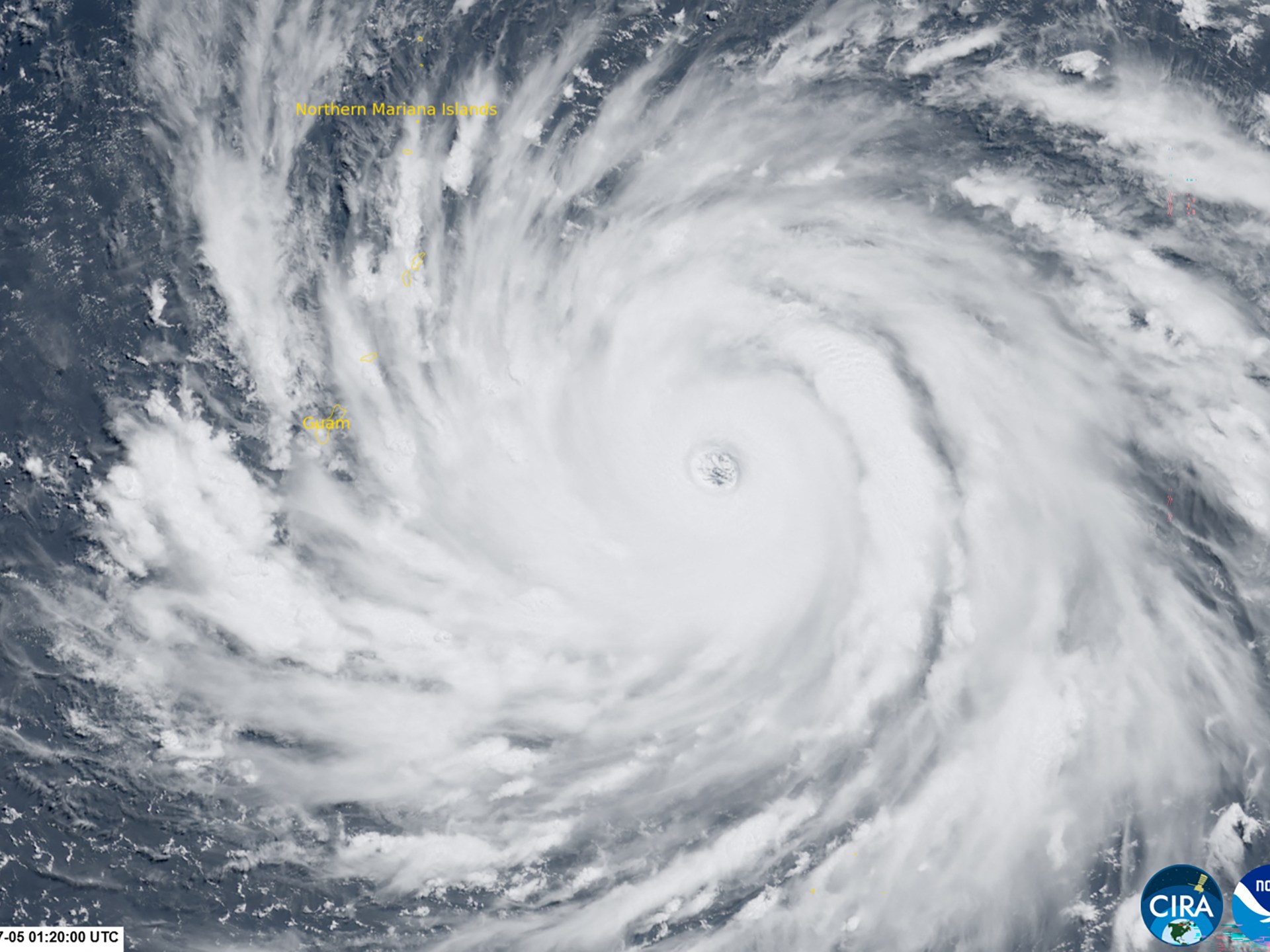
Super Typhoon Bavi forces mass evacuations in China. The storm, downgraded from super-typhoon status but still dangerous, drove China to evacuate more than a million people from coastal areas before landfall. Its rain bands encompassed an area roughly the size of France, and meteorologists warned of continued flooding risk. [CNBC] [Al Jazeera] [Al Jazeera]
China-North Korea treaty turns 65. Beijing and Pyongyang marked the 65th anniversary of their friendship treaty this week amid deepening military cooperation. Analysts say the alliance has shifted from ideological solidarity toward a transactional security partnership. [Al Jazeera]
Indonesia anti-graft prosecutor resigns after gold-bar seizure. Police seized 74 kilograms of gold bars and $20 million in cash from the home of Indonesia’s anti-corruption prosecutor, who resigned shortly afterward. The case raises fresh doubts about the country’s graft-fighting institutions. [Al Jazeera]
Europe

Russia pounds Kyiv with missiles and 121 drones. In what officials called one of the deadliest months of the war, Russia struck Kyiv with ballistic missiles and a 121-drone barrage, killing two and wounding at least 19. Overnight strikes on the capital injured an additional ten people, hitting residential infrastructure. [Al Jazeera] [Al Jazeera]
Runner gored at Spain’s San Fermín festival. A chaotic bull run at Pamplona’s San Fermín festival on Saturday left one runner gored in the face and 12 others injured — a stark reminder of the dangers that have defined the centuries-old tradition. [Sky News]
Spain’s worst wildfire in two decades kills 11. Emergency crews and relatives searched for survivors after a wildfire in Spain — the country’s deadliest in more than 20 years — killed 11 people. A woman publicly pleaded for help locating her missing parents. [Sky News]
London’s heat wave drives scramble for outdoor swimming. As the UK capital endures hotter summers, demand for outdoor pools has surged — and swimmers without access are turning to ponds and canals, sometimes with serious consequences. [NYT]
UK police release suspect in ex-lawmaker killing. Police released the 26-year-old man arrested in connection with the death of former UK lawmaker Ann Widdecombe, saying he was no longer part of the investigation and urged anyone with information to come forward. [NYT]
Americas
Sheinbaum takes on cartels, Trump, and the legacy of 1968. Mexican President Claudia Sheinbaum is trying to govern on her own terms — confronting drug cartels, managing a volatile relationship with the Trump administration, and reckoning with the political shadow of her predecessor AMLO and the 1968 Tlatelolco massacre. [Al Jazeera]
Cuba suffers second nationwide blackout in five days. Cuba’s power grid collapsed for the second time in less than a week, deepening the country’s ongoing energy crisis and leaving millions without electricity. [Al Jazeera]
Trump administration subpoenas NYT reporters over Air Force One story. The Trump administration issued subpoenas to several New York Times journalists after the paper’s reporting on security concerns involving the new Air Force One, raising fresh press-freedom concerns. [CNBC]
Kushner-backed Albania resort land under forgery probe. Albanian prosecutors are investigating alleged forged deeds tied to land purchased for a luxury resort backed by Jared Kushner’s investment firm, as protests against the project continue. [Al Jazeera]
Africa
- Zimbabweans return home amid South Africa xenophobic violence. Zimbabweans are returning home after a fresh wave of xenophobic attacks in South Africa, with families recounting violence and displacement in cities across the region. [Al Jazeera]
Sports
World Cup quarterfinals kick off. England face Norway in a fixture steeped in club-loyalty crossover, while Argentina take on Switzerland for the final two World Cup semifinal spots. Haaland’s viral tournament continues to dominate social media coverage. [Al Jazeera] [NYT] [Al Jazeera]
Wembanyama inks $252 million Spurs extension. Victor Wembanyama — the NBA’s tallest player — signed a five-year, $252 million rookie extension with the San Antonio Spurs, the third-largest rookie deal in league history. [Al Jazeera]
Economy
Berkshire Hathaway still trails the S&P 500 mid-year. With 2026 more than half over, Berkshire Hathaway’s B shares are down 1.8% year-to-date and trail the S&P 500’s 10.7% gain by 12.4 percentage points. Ferrari, meanwhile, has recovered 17% since its panned Luce unveiling. [CNBC] [CNBC]
UAE’s EDGE Group aims to turn homegrown defense tech global. EDGE Group CEO Hamad Al Marar discussed the UAE’s push to build a globally competitive defense industry — covering technology, manufacturing, and exports as the country tries to translate its domestic military-tech base into international contracts. [CNBC]
In Brief
New US housing law targets affordability. The 21st Century Road to Housing Act aims at least partly at addressing affordability, but experts say the benefits will take time to flow through to homebuyers and sellers. [CNBC]
Best and worst US states to live in for 2026. Return-to-office mandates and declining remote-work options are pushing companies to weigh quality-of-life more heavily in site selection. One state claimed a six-year top ranking, while ten others landed at the bottom on crime and healthcare metrics. [CNBC] [CNBC]
‘Funflation’ hits at-home entertainment. Price hikes on streaming, video games, and subscription services are eroding the cost advantage of staying in. [CNBC]
Tiny GLP-1 implant targets weight-loss maintenance. Vivani Medical is developing an implantable semaglutide device — the active ingredient in Wegovy and Ozempic — aimed at helping patients stay on treatment. [CNBC]
Amazon layoffs ripple through saturated job market. Eight-plus months after Amazon announced its most expansive job cuts ever, laid-off workers are struggling in an increasingly tight labor market. [CNBC]
Bank of America names top earnings-season picks. BofA flagged a slate of stocks it sees as best positioned heading into quarterly reports. [CNBC]
Stock market futures flat after Thursday’s rally. SK Hynix is set to debut on the Nasdaq as traders eye Friday’s open. [CNBC]
‘Maxxing’ trends draw mental-health scrutiny. From booksmaxxing to looksmaxxing, the self-optimization suffix-of-the-moment is drawing concern from mental-health experts. [CNBC]
Peter Falconio’s killer again refuses to reveal body’s location. Newly surfaced footage shows Bradley Murdoch — convicted of murdering British backpacker Peter Falconio in 2001 — again denying to Australian police that he knows where his victim’s remains are. [Sky News]
Canadian lab burns buildings down to save them. At the national fire-safety facility in Ottawa, scientists and engineers are increasingly focused on wildfire threats — using controlled burns to test how structures fail. [NYT]
Roundup compiled from the TTRSS NEWS feed. 37 articles from 4 sources summarized.