
World News Roundup — July 25, 2026 (PM)
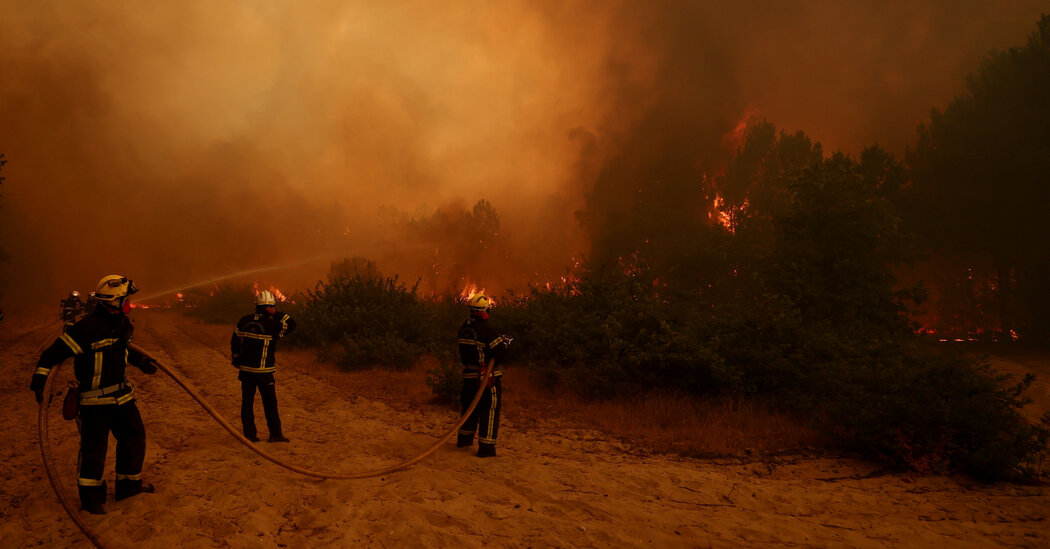
Wildfires sweeping Spain and France dominate this edition, while civilians were again killed in strikes across Ukraine and Russian-held territory. Elsewhere, Indian student protesters scored a significant political victory, Syria faced a deadly road disaster, and a major infrastructure deal put global capital into Kuwait’s oil network.
Middle East
At least 35 killed in Syrian bus collision. A civilian bus collided with a bus carrying Syrian security personnel on a highway in central Syria, according to the Health Ministry. Separate reports converged on a death toll of at least 35.
UN chief makes landmark Syria visit. António Guterres arrived for the first official visit to Syria by a UN secretary-general in 17 years. He is due to meet President Ahmed al-Sharaa, who remained under UN Security Council sanctions until last year.
Europe
Hundreds of thousands flee fires in Spain and France. Firefighters raced to contain fast-moving blazes approaching Madrid and Bordeaux as mass evacuations turned hotels and other tourist facilities into emergency shelters. Smoke blanketed parts of both countries, with several reports documenting the same rapidly evolving emergency.
Russia/Ukraine
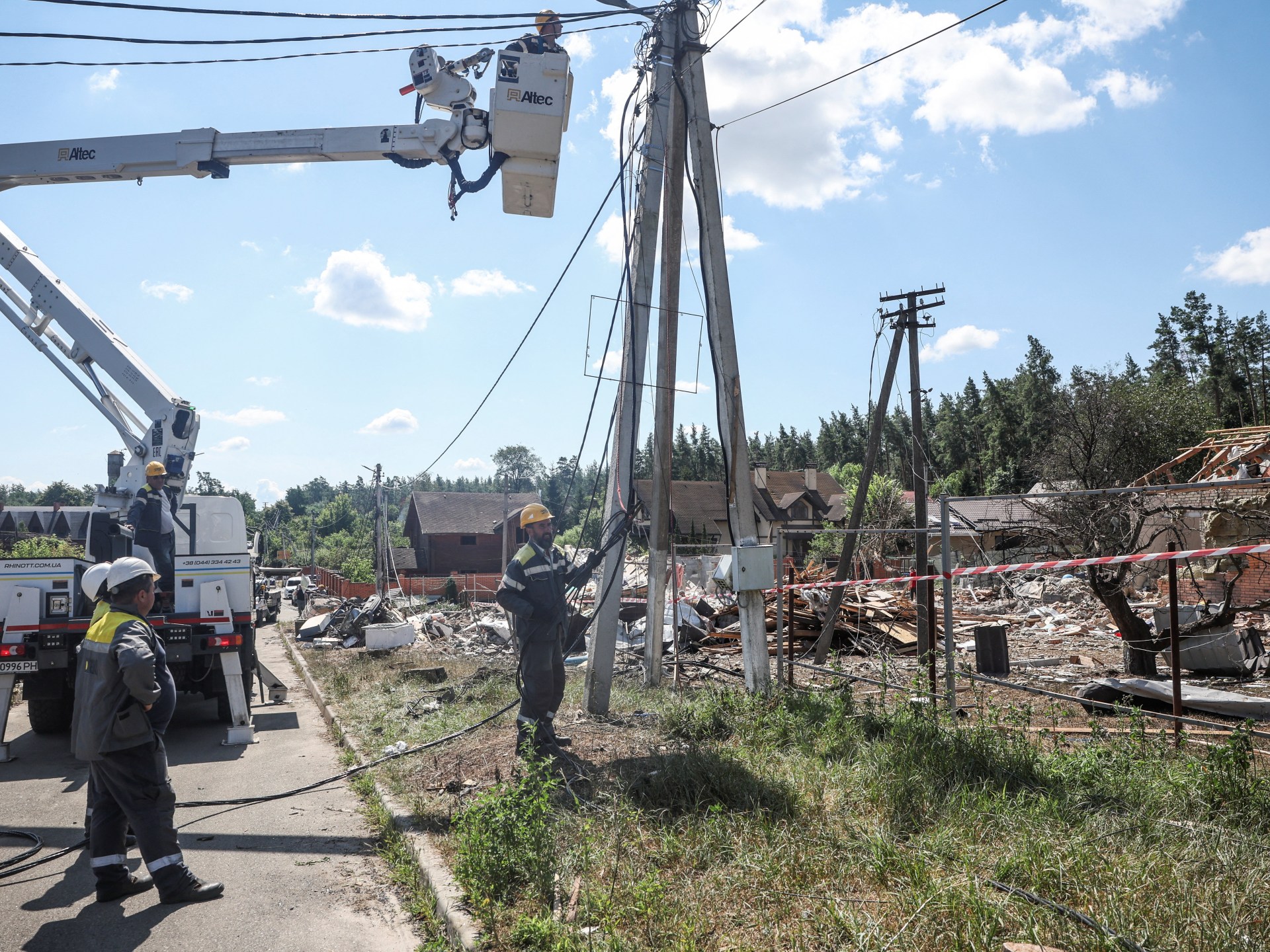
Deadly strikes hit both sides of the war. At least 11 people were reported killed in Russian and Ukrainian attacks, including casualties at a holiday camp. Eight deaths were attributed to Ukrainian attacks on Russian-controlled territory, underscoring the continuing civilian toll away from the front line.
Asia-Pacific
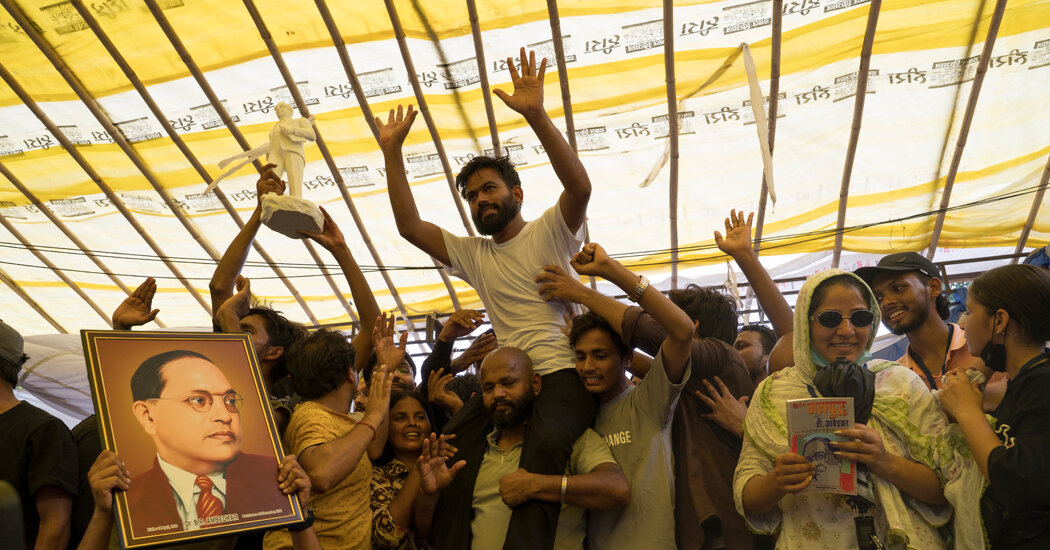
India’s education minister resigns after youth protests. Dharmendra Pradhan offered his resignation, handing the irreverent “Cockroach” student movement a major victory against Prime Minister Narendra Modi’s government. Protest organisers then moved to end demonstrations that had combined street action, memes and political satire.
Tourists rescued after Indonesian speedboat sinks. Rescuers found 11 European tourists and a local crew member alive after their missing speedboat sank in Indonesian waters.
Drones extend tuberculosis care in remote Philippine communities. Medical teams are using drones to overcome distance and deliver tuberculosis support to isolated communities, illustrating how low-altitude logistics can close gaps in public-health access.
Tā moko revival reconnects young Māori with identity. Young Māori in New Zealand are increasingly embracing the ritual tattoo art once suppressed under British colonial rule and later reclaimed as a form of cultural protest.
Americas
Ontario weighs retaliation as US trade pressure rises. Premier Doug Ford pointed to oil, electricity and potash as leverage against Washington while Prime Minister Mark Carney considers Canada’s response to an escalating tariff dispute.
Colombia’s president-elect faces scrutiny over past US investigation. While living in Miami, Colombia’s Trump-endorsed president-elect represented accused drug traffickers and money launderers. US authorities investigated him, but never charged him.
Cyclospora outbreak expands to nine US states. The CDC linked Illinois, Kansas, Oklahoma and Pennsylvania to an outbreak already affecting Indiana, Kentucky, Ohio, West Virginia and Michigan.
Africa
Sudanese mothers face repeated displacement. Women who escaped Sudan’s war and rebuilt in Lebanon have been uprooted again, highlighting the compounding harm suffered by refugees when conflict follows them across borders.
Economy
Global investors sign $16 billion Kuwait oil-pipeline deal. Blackstone, Brookfield and KKR will enter a lease-and-leaseback joint venture with Kuwait Oil covering the pipeline network for 20.5 years under a volume-based tariff structure.
Healthcare boom reshapes global logistics. UPS, FedEx and DHL are expanding cold-chain and temperature-controlled capacity as GLP-1 medicines and other sensitive healthcare shipments raise demand for specialised handling.
In Brief
ICC prosecutor investigation draws political claims. Lawyers for ousted chief prosecutor Karim Khan say the investigation into him is a political witch hunt.
AI sceptics build an unusual US coalition. Evangelicals, labour unions and communities opposing data centres are converging around concerns about the speed and physical footprint of AI development.
AI distillation becomes a regulatory flashpoint. A long-established technique for transferring capabilities from larger models into smaller ones has moved into mainstream policy debate over how such reuse should be governed.
Judges’ crisis burden draws UN attention. Courts are expected to preserve the rule of law through wars, disasters and political turmoil, often while judges themselves work under extreme and largely invisible pressure.
Roundup compiled from the TT-RSS NEWS feed. 62 non-Iran articles reviewed and consolidated into 17 story clusters.